



Pureleven journal
Cooking & Spices
From Kerala soil to your kitchen.
Cinnamon buying guide
How Much Cassia Is Too Much? Coumarin in Plain Terms
Compare daily-use cinnamon options and move directly into a product shortlist without leaving the article cold.
Quick Summary
The coumarin limit explained simply, with a body-weight table showing roughly how much cassia cinnamon that means in an everyday Indian kitchen.
Jump through the guide
Go straight to the sections that answer the buying, comparison, or sourcing question you came for.
The tolerable daily intake for coumarin is 0.1 mg per kg of body weight. Germany's BfR puts the average coumarin in cassia at about 3 g per kg, so a 60 kg adult reaches that limit at roughly 2 g of cassia a day, a little under a level teaspoon of powder. A stick or two in a curry or chai stays well below it.
No need to throw out your dalchini. If you take cinnamon by the spoonful every day, do the sums once.
What coumarin is
Coumarin is a natural aromatic compound found in many plants, including tonka beans, sweet clover and cassia bark. It adds to cassia's sweet, warm smell. In large amounts over a long time it can affect the liver in some people, which is why food safety bodies set a limit. Ceylon cinnamon (Cinnamomum verum) has only low levels, the main reason it's recommended for people who eat a lot of cinnamon.
The tolerable daily intake (TDI) is the amount you could take every day for a whole life without appreciable risk. It has a safety margin built in.
What the limit means in cassia
The table uses BfR's average of about 3 g coumarin per kg of cassia and treats a level teaspoon of powder as roughly 2.5 g. Take it as a guide, not an exact figure.
| Body weight | Daily coumarin limit | Cassia at average coumarin | Roughly, in powder |
|---|---|---|---|
| 15 kg (small child) | 1.5 mg | about 0.5 g | about 1/5 teaspoon |
| 30 kg | 3 mg | about 1 g | about 1/3 teaspoon |
| 60 kg | 6 mg | about 2 g | about 3/4 teaspoon |
| 75 kg | 7.5 mg | about 2.5 g | about 1 teaspoon |
One big caveat. BfR reports samples as high as 10 g per kg, and some types have tended to test higher (see types of cassia). With a strong batch the safe amount could be a third of the figures above. You can't tell by looking, so don't plan around the top of the range.
Everyday Indian cooking against these numbers
None of these is a worry for a healthy adult.
- A stick in biryani or pulao. Shared across a family pot, and nobody eats the stick.
- A piece in chai. It's simmered and strained out, so only part of what's in the bark reaches the cup.
- Garam masala. Cassia is one ingredient among many, and a dish uses a teaspoon or so of the mix.
- A pinch on fruit or in coffee. Fine on its own.
The numbers add up in a few places:
- A heaped teaspoon or more of cassia powder every day, in oats, smoothies or "cinnamon water"
- Cinnamon capsules or supplements made from cassia
- Children eating cinnamon-heavy cereals or sweets daily, since their limit is so much lower
Who should take more care
BfR notes that a small group of people are more sensitive to coumarin and may react to lower doses. If you have a liver problem or take regular medicines, especially blood thinners, talk to your doctor before taking cinnamon in large or regular amounts. That includes supplements. It's a reason not to self-dose, not a reason to worry about the cassia in your curry.
Habits that keep you well inside the limit
- Cook with cassia whole and take the stick out before serving.
- For daily sprinkling on food or in drinks, use Ceylon cinnamon.
- Keep children's cinnamon to cooking amounts.
- If you bake with cinnamon often, use Ceylon or a lighter hand with cassia.
- Skip cassia supplements unless a doctor suggested them.
For flavour and use side by side, see Ceylon vs cassia, and the cassia cinnamon guide explains what dalchini is.
We keep cassia sticks for biryani, meat curries and chai, where the bold flavour earns its place. Both our cinnamons are packed whole with nothing added.
Cook with cassia the way Indian kitchens always have, and use Ceylon for the daily spoonfuls.
Sources
Ready to buy?
Related products for this article
Move from reading intent to shopping intent with product cards tied to this topic and a direct route into the wider catalog.
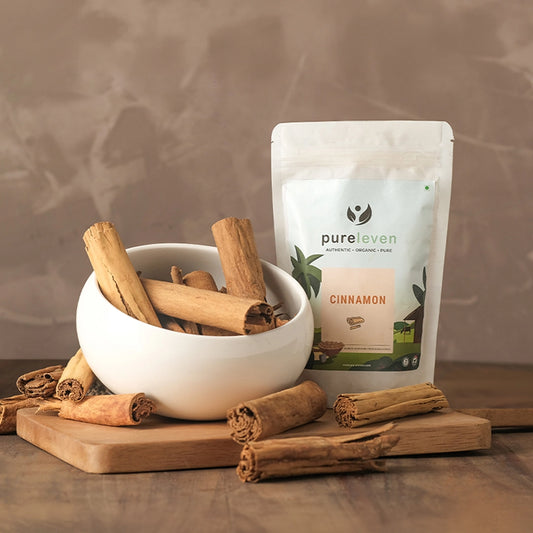 Primary pickTrue Ceylon Cinnamon (Dalchini) – Whole Quills from Sri LankaChoose between lighter Ceylon character and fuller cassia warmth with a cleaner conversion path.Rs. 250.00Rs. 190.00
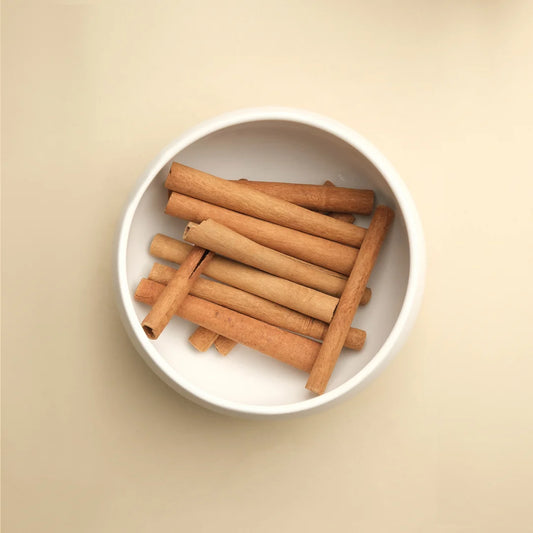 Also considerPremium Cassia Cinnamon Whole SticksRs. 159.50Rs. 120.00
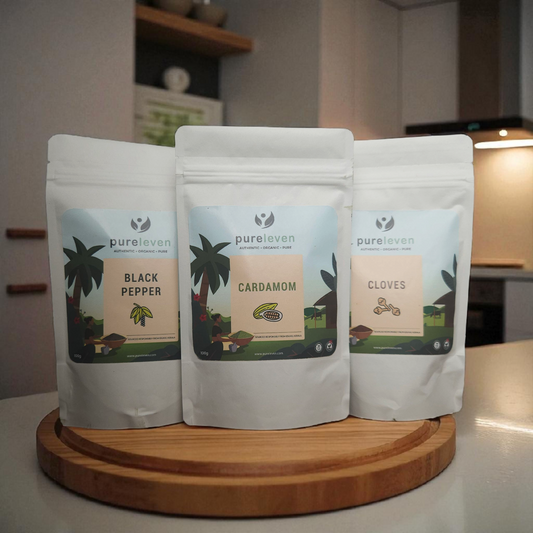 Kitchen add-on3-in-1 Kerala Spice ComboRs. 909.00Rs. 559.00


