



Pureleven journal
Cooking & Spices
From Kerala soil to your kitchen.
Cinnamon buying guide
Ceylon vs Cassia Cinnamon: Flavor, Uses, and Which One to Buy
Compare daily-use cinnamon options and move directly into a product shortlist without leaving the article cold.
Quick Summary
Compare Ceylon vs cassia cinnamon by flavor, use case, aroma, and buying fit so you can choose the right cinnamon for tea, desserts, baking, and cooking.
Jump through the guide
Go straight to the sections that answer the buying, comparison, or sourcing question you came for.
Quick Answer
Ceylon and cassia cinnamon solve different kitchen problems
Ceylon cinnamon is lighter, sweeter, and more delicate, so it suits tea, desserts, fruit, and recipes where you want finesse. Cassia cinnamon is warmer, bolder, and more direct, so it fits chai, stronger baking, breakfast bowls, and savory spice work where cinnamon should show up clearly.
- Ceylon vs cassia cinnamon
- which cinnamon is better
- cinnamon for tea
- cinnamon for baking
Ceylon
Tea, desserts, fruit, and lighter recipes that want a softer cinnamon tone.
Cassia
Chai, baking, breakfast bowls, and bolder spice-forward cooking.
Finesse vs force
Ceylon is gentler and sweeter, while cassia is warmer and more assertive.
Both products are live
This comparison can route readers directly to either cinnamon style without guesswork.
Human Hook
The right cinnamon depends on whether you want softness or presence
In one kitchen, cinnamon is there to lift tea and desserts without dominating them. In another, it is meant to show up clearly in chai, cookies, breakfast bowls, and savory spice work. That is why one cinnamon article is rarely enough. Buyers do not just need a description of cinnamon. They need to know which style actually fits the way they cook.
Ceylon and cassia are both useful, but they are useful for different reasons. Once that becomes clear, choosing between them gets much easier.
- How Ceylon and cassia differ in flavor
- Which dishes suit each type better
- How to choose based on your real kitchen habits
- Which Pureleven cinnamon product fits each use case
Comparison
Ceylon vs cassia cinnamon at a glance
| Feature | Ceylon cinnamon | Cassia cinnamon |
|---|---|---|
| Flavor profile | Lighter, sweeter, more delicate | Warmer, bolder, more assertive |
| Best uses | Tea, desserts, fruit, refined baking | Chai, stronger baking, breakfast bowls, savory spice use |
| Kitchen role | Finesse and subtle warmth | Visible cinnamon presence |
| Buyer fit | People who want softness and precision | People who want everyday strength and warmth |
Kitchen Use
Where each cinnamon style makes more sense
Ceylon for tea and desserts
Choose it when you want cinnamon to add sweetness and lift without taking over.
Ceylon for fruit and softer baking
It works well where balance matters more than intensity.
Cassia for chai and daily baking
Use it when a bold cinnamon note is part of the point.
Cassia for savory spice work
Its stronger profile stands up better in richer and warmer preparations.
Buying Guidance
Choose by dish fit, not by abstract category labels
Start with Ceylon
It usually feels cleaner and more delicate in daily warm drinks.
Cassia may fit better
It gives stronger presence when cinnamon needs to show up clearly.
Keep both in rotation
One handles finesse, the other handles strength.
Pureleven Insight
This comparison works because the product line already gives readers both paths
Pureleven already sells both a gentler Ceylon option and a bolder cassia option, which means the comparison does not need to be theoretical. Readers can move directly from flavor logic into a product page that matches how they actually cook.
- Ceylon supports softer tea and dessert use
- Cassia supports bolder chai and baking use
- Buying becomes easier when the style difference is explained clearly
FAQ
Frequently asked questions about Ceylon and cassia cinnamon
What is the main difference between Ceylon and cassia cinnamon?
Ceylon is lighter and sweeter, while cassia is warmer, bolder, and more direct in flavor.
Which cinnamon is better for tea?
Ceylon is often the better fit for tea when you want a gentler, cleaner cinnamon profile.
Which cinnamon is better for baking?
Cassia is often better when you want a stronger cinnamon note in cakes, cookies, and breakfast bakes.
Can I keep both types in the kitchen?
Yes. Many kitchens benefit from having both because they solve different flavor problems.
How should cinnamon be stored?
Keep it sealed, dry, and away from heat and direct light so the aroma stays cleaner for longer.
Soft Recommendation
Pick the cinnamon that matches the way your kitchen actually cooks
If you want lighter sweetness and a more delicate cinnamon tone, start with Ceylon. If you want warmth that speaks more clearly in chai, baking, and stronger recipes, choose cassia. The better cinnamon is usually the one that fits the dish, not the one with the louder name.
- Use Ceylon for tea, desserts, and refined everyday use
- Use cassia for bold chai, baking, and stronger spice presence
- Compare both if you want a more deliberate cinnamon shelf
Ready to buy?
Related products for this article
Move from reading intent to shopping intent with product cards tied to this topic and a direct route into the wider catalog.
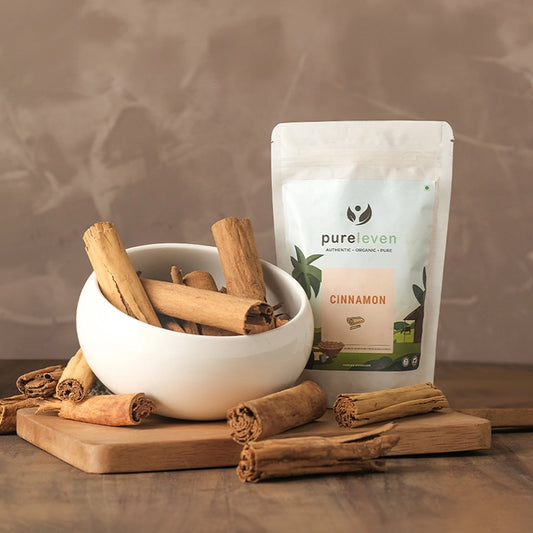 Primary pickTrue Ceylon Cinnamon (Dalchini) – Whole Quills from Sri LankaChoose between lighter Ceylon character and fuller cassia warmth with a cleaner conversion path.Rs. 250.00Rs. 190.00
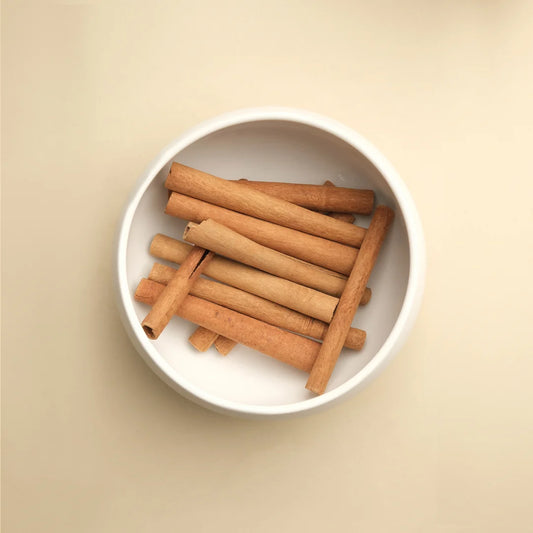 Also considerPremium Cassia Cinnamon Whole SticksRs. 159.50Rs. 120.00
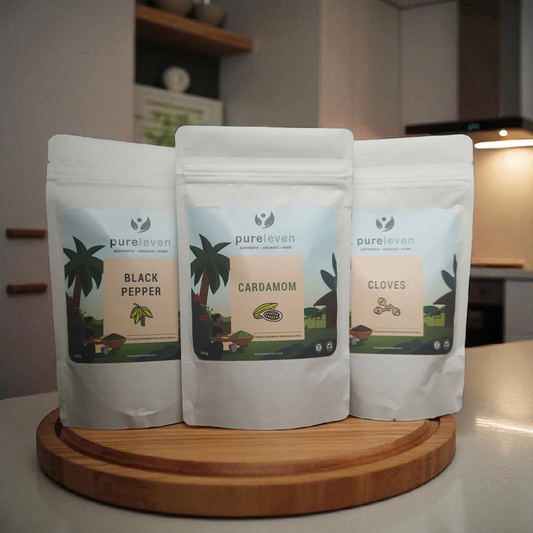 Kitchen add-on3-in-1 Kerala Spice ComboRs. 909.00Rs. 559.00


