



Pureleven journal
Cooking & Spices
From Kerala soil to your kitchen.
Cinnamon buying guide
Cassia Cinnamon: The Dalchini in Most Indian Kitchens
Compare daily-use cinnamon options and move directly into a product shortlist without leaving the article cold.
Quick Summary
What cassia cinnamon is, how to tell it from Ceylon, how Indian kitchens use it, and how much is sensible given its coumarin.
Jump through the guide
Go straight to the sections that answer the buying, comparison, or sourcing question you came for.
Cassia is the thick, hard, reddish-brown bark that most Indian shops sell as dalchini. It comes from close cousins of true cinnamon, mainly Cinnamomum cassia, and tastes stronger, hotter and less sweet than Ceylon cinnamon. If the dalchini in your masala dabba snaps like wood and smells sharp, it is almost certainly cassia.
It's the flavour most of us grew up with in biryani, garam masala and meat curries. Cassia and Ceylon behave differently in the pot though, and cassia carries coumarin, which is worth understanding if you use a lot of it.
What cassia is, exactly
"Cinnamon" is really a family name. Several trees in the genus Cinnamomum give bark that smells of cinnamon, and the trade sorts them into two groups.
- Ceylon cinnamon (Cinnamomum verum), also called true cinnamon. Thin, papery layers rolled into a soft quill. Mild and sweet.
- Cassia, which covers a few species. The main one is Chinese cassia (Cinnamomum cassia), native to southern China and grown across South and Southeast Asia. Indonesian cassia (C. burmannii) and Vietnamese or Saigon cassia (C. loureiroi) are the other two traded widely.
In Hindi it's dalchini and in Malayalam karuvapatta. Indian markets use both names for cassia without saying so. The full comparison is in Ceylon vs cassia cinnamon.
Telling cassia from Ceylon
| What to check | Cassia (dalchini) | Ceylon (true cinnamon) |
|---|---|---|
| Look | One thick layer of bark, dark reddish-brown, often a hollow tube or flat piece | Many thin layers rolled like a cigar, pale tan |
| Feel | Very hard, difficult to break by hand | Brittle, crumbles easily |
| Smell and taste | Strong, hot, slightly bitter | Gentle, sweet, a little citrusy |
| Coumarin | Relatively high | Low |
| Suits | Biryani, meat curries, garam masala, chai | Desserts, baking, daily use in larger amounts |
Try snapping the stick. A clean crack that takes some force means cassia. Crumbling into flakes means Ceylon.
Why Indian kitchens lean on cassia
It stands up to heat. A piece dropped into hot ghee with cloves, cardamom and bay leaf keeps giving flavour through a long cook, while gentler Ceylon can get lost in a strong masala. Cassia is also cheaper and easier to find. It's one of the usual whole spices in garam masala.
You'll meet it in:
- The whole-spice tadka at the start of biryani, pulao or korma
- Kerala chicken, mutton and beef curries, with grampoo (cloves) and elakka (cardamom)
- Masala chai, simmered with ginger and cardamom
- Home-ground garam masala and meat masala
Is cassia safe to eat every day?
In normal cooking amounts, yes. Cassia contains coumarin, a natural compound that in large amounts over a long time can affect the liver. Ceylon has only low levels.
The tolerable daily intake is 0.1 mg of coumarin per kg of body weight. Germany's BfR puts the average in cassia at about 3 g of coumarin per kg, with some samples as high as 10 g. On that average, a 60 kg adult reaches the daily limit at about 2 g of cassia, a little under a level teaspoon of powder, and a 15 kg child at about 0.5 g.
A stick in the biryani, a piece in your chai, a pinch in garam masala are all fine. Trouble starts with cassia powder by the spoonful every day, or heavy baking. For a daily heaped spoon in oats or a smoothie, pick Ceylon. If you have a liver condition or take regular medicines, ask your doctor first.
Picking good cassia
- Buy whole. Sticks or bark keep their oils far longer than powder, and you can see what you're getting.
- Scratch and smell. Scrape the inner side with a fingernail. Fresh cassia smells sweet and hot at once. Old cassia smells of dust or nothing.
- Look at the colour. Warm reddish-brown is good. Grey, pale or patchy bark has been sitting around.
- Check for damp. A musty smell or white spots means moisture got in. Skip it.
- Buy what you'll use. A small pack finished in a few months always tastes better.
Our spice quality checklist covers freshness across the whole masala dabba.
Can I use cassia in place of Ceylon in a recipe?
Yes, with less of it. Cassia is stronger and a little bitter, so start with about two-thirds of the amount and taste. In curries and biryani the swap is easy. In delicate desserts cassia can taste harsh.
We pack cassia cinnamon sticks whole, with nothing added, in resealable pouches. Message us on WhatsApp at +91 88482 65849 if you're unsure which cinnamon suits your cooking.
Sources
Ready to buy?
Related products for this article
Move from reading intent to shopping intent with product cards tied to this topic and a direct route into the wider catalog.
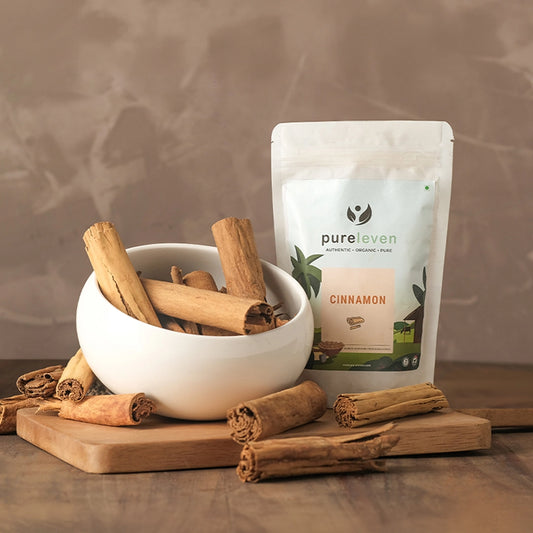 Primary pickTrue Ceylon Cinnamon (Dalchini) – Whole Quills from Sri LankaChoose between lighter Ceylon character and fuller cassia warmth with a cleaner conversion path.Rs. 250.00Rs. 190.00
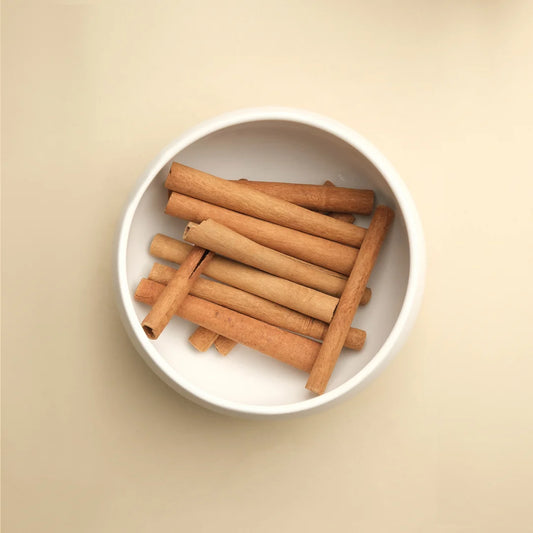 Also considerPremium Cassia Cinnamon Whole SticksRs. 159.50Rs. 120.00
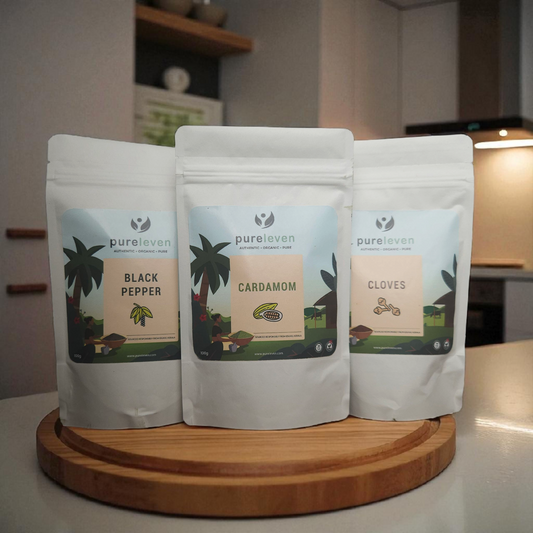 Kitchen add-on3-in-1 Kerala Spice ComboRs. 909.00Rs. 559.00


