



Pureleven journal
Cooking & Spices
From Kerala soil to your kitchen.
Cinnamon buying guide
Types of Cassia: Chinese, Indonesian and Vietnamese
Compare daily-use cinnamon options and move directly into a product shortlist without leaving the article cold.
Quick Summary
The three main types of cassia cinnamon, Chinese, Indonesian and Vietnamese, compared by flavour, trade names and oil content.
Jump through the guide
Go straight to the sections that answer the buying, comparison, or sourcing question you came for.
There are three main types of cassia in the spice trade: Chinese cassia (Cinnamomum cassia), Indonesian cassia (C. burmannii) and Vietnamese or Saigon cassia (C. loureiroi). All three are thick, hard barks with a strong, hot cinnamon flavour. They differ in intensity and sweetness. Ceylon cinnamon is a separate species, not a type of cassia.
Dalchini sold in India rarely says which type it is. That's fine for cooking, but it explains why one packet can taste sweeter or harsher than another. New to cassia? Start with our guide to cassia cinnamon.
The three types at a glance
| Chinese cassia | Indonesian cassia | Vietnamese cassia | |
|---|---|---|---|
| Botanical name | Cinnamomum cassia | Cinnamomum burmannii | Cinnamomum loureiroi |
| Other names | Chinese cinnamon | Korintje, Padang cassia | Saigon cinnamon |
| Main growing area | Southern China, also across South and Southeast Asia | Sumatra, especially the Kerinci area | Central Vietnam |
| Flavour | Strong, warm, slightly rough and bitter | Milder, rounder, less complex | Most intense, sweet and spicy |
| Oil content | Medium | Lowest | Highest |
Chinese cassia
This is the original cassia and the species most people mean by the word. The tree is native to southern China and is now grown across South and Southeast Asia.
The bark is a single thick layer, dark reddish-brown outside and smoother inside. It's hard enough that you'll struggle to snap a good piece. The flavour is bold and a bit rough, which suits long-cooked curries and biryani where a softer cinnamon would vanish. It's also one of the spices in Chinese five-spice powder.
Indonesian cassia (Korintje)
Indonesian cassia comes mainly from Sumatra, and Kerinci is the name you'll see in trade names like Korintje. It's the cheapest and most common cinnamon in much of the world, often sold as powder. The flavour is smoother and less complex than Chinese cassia, pleasant but less punchy.
Vietnamese or Saigon cassia
Despite the name, Saigon cinnamon grows mostly in the central highlands of Vietnam, not around Ho Chi Minh City. Its high oil content gives the strongest, sweetest smell of the three. Cooks like it in baking and in pho broth, and a little goes a long way.
What about coumarin?
Coumarin varies a lot from tree to tree and harvest to harvest, so no type gets a fixed number. Germany's BfR gives an average of about 3 g per kg for cassia in general, with some samples far higher. Ceylon cinnamon has low levels.
For everyday cooking the type matters less than the quantity. A stick in a pot of biryani is nothing like spoonfuls of powder every morning. The daily limit works out to roughly 2 g of cassia for a 60 kg adult, going by BfR's average.
Which type are you holding?
Often you can't tell from the packet, because Indian dalchini is usually labelled only "cinnamon" or "dalchini" and traders move cassia from several countries. Judge what's in front of you instead.
- Thick, dark, very hard bark with a hot smell: cassia of some kind
- An unusually sweet, almost candy-like smell: could be Vietnamese
- Thin, pale, many-layered quills that crumble: Ceylon, not cassia
Does the type change how you cook?
A little. In a masala or biryani, any decent cassia works, and freshness counts for more than species. In desserts a strong Vietnamese cassia can take over, so use less. For a mild, sweet cinnamon in daily use or baking, Ceylon versus cassia becomes the more useful question.
Our cassia cinnamon sticks are packed whole with nothing added, for curries, biryani and chai. Message us if you can't decide between cassia and Ceylon for the way you cook.
Pick the one that fits your cooking, keep it whole, and smell it before you use it.
Sources
Ready to buy?
Related products for this article
Move from reading intent to shopping intent with product cards tied to this topic and a direct route into the wider catalog.
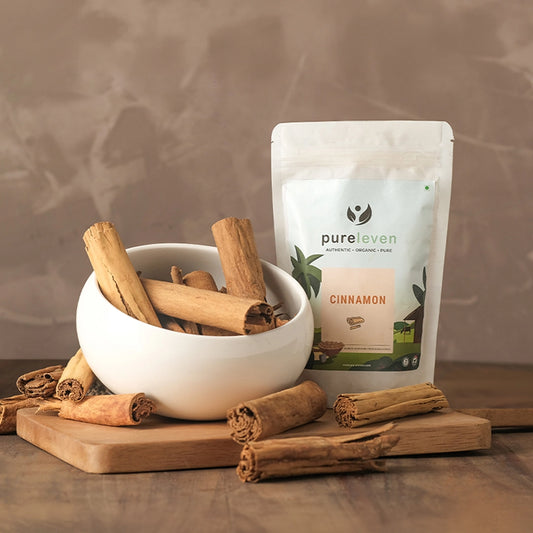 Primary pickTrue Ceylon Cinnamon (Dalchini) – Whole Quills from Sri LankaChoose between lighter Ceylon character and fuller cassia warmth with a cleaner conversion path.Rs. 250.00Rs. 190.00
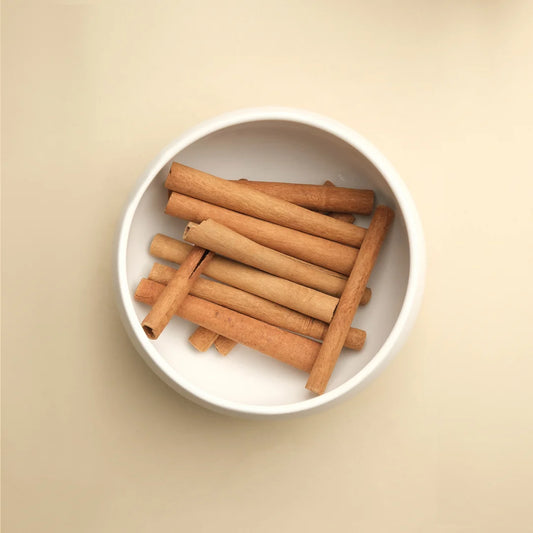 Also considerPremium Cassia Cinnamon Whole SticksRs. 159.50Rs. 120.00
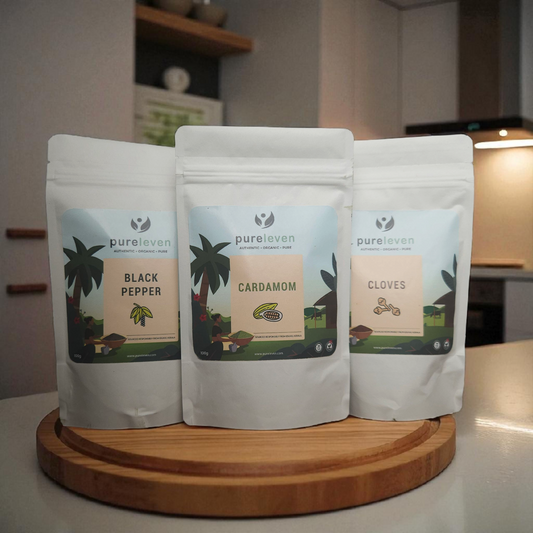 Kitchen add-on3-in-1 Kerala Spice ComboRs. 909.00Rs. 559.00


