



Pureleven journal
Cooking & Spices
From Kerala soil to your kitchen.
Cinnamon buying guide
Cassia Buds: A Lesser-Known Spice
Compare daily-use cinnamon options and move directly into a product shortlist without leaving the article cold.
Quick Summary
Cassia buds are the dried flower buds of the cassia tree. What they taste like, how to cook with them, and how they compare with bark and cloves.
Jump through the guide
Go straight to the sections that answer the buying, comparison, or sourcing question you came for.
Cassia buds are the dried, unopened flower buds of the cassia tree, Cinnamomum cassia. They look like small cloves with a round, cup-shaped head, and they taste of cinnamon, but softer, sweeter and more floral than the bark. Cooks use them in pickles, marinades, spice blends and tea, wherever a gentle cinnamon note is wanted without the bite of a stick.
Most people have never seen them, even those who cook with dalchini daily. This is what they are and how to use them if you find some.
What do they look like?
Picture a clove, shorter, with the head shaped like a tiny acorn cup instead of a ball. They're dark brown to greyish brown, about a centimetre long, with a short stalk.
Because of that shape they're easy to mistake for cloves in a mixed bag of whole spices. Crush one and you'll know. A clove smells sharp and medicinal. A cassia bud smells of sweet cinnamon.
Buds, bark and cloves compared
| Cassia buds | Cassia bark or sticks | Cloves | |
|---|---|---|---|
| Part of plant | Unopened flower bud of the cassia tree | Inner bark of the cassia tree | Unopened flower bud of the clove tree |
| Flavour | Mild, sweet, floral cinnamon | Strong, hot, slightly bitter cinnamon | Pungent, numbing, warm |
| Texture | Small, fairly easy to crush | Very hard, needs breaking | Oily, firm |
| Typical uses | Pickles, marinades, tea, spice mixes | Curries, biryani, chai, garam masala | Curries, biryani, garam masala, chai |
| How common | Uncommon, specialist shops | In almost every Indian kitchen | In almost every Indian kitchen |
To understand the bark first, read our cassia cinnamon guide.
Where they've been used
Cassia buds are rare, but they have an old history as a spice with a mild, flowery cinnamon flavour. They turn up in old-fashioned pickling recipes, in marinades and in teas. Today they're used more in parts of Asia.
Are they the same as nagkesar?
Not the same, and the names get muddled in Indian markets. Nagkesar properly means the flower buds of a different tree, Mesua ferrea. Cassia buds can end up sold under a similar name by some sellers. If a recipe calls for nagkesar, ask the seller what's in the pack and smell it. Cassia buds are dark brown and smell clearly of cinnamon.
Using cassia buds in your kitchen
- Whole in pickles. Add a few buds to the brine or oil for mango, lime or a sweet-sour chutney. They release flavour slowly over weeks.
- Crushed in a marinade. Crack 4 to 6 buds in a mortar and add to a meat or paneer marinade for a soft cinnamon background.
- In tea. Drop 2 or 3 buds into the pan and simmer. The note is gentler and more fragrant than a stick's.
- Ground into a spice mix. Replace part of the cassia bark in a home garam masala. Buds grind more easily and give a rounder, sweeter finish.
- In desserts. Warm a few in milk for kheer or payasam, then strain them out.
Start small. They're milder than the bark, but they're still cassia.
Do they contain coumarin?
They come from the same tree as cassia bark, which is known for coumarin. Published figures for buds are thin, so treat them like the bark: fine in cooking amounts, not for eating by the spoonful every day. Our post on how much cassia is too much gives the daily limit.
What to use if you can't find them
A small piece of cassia bark gives a similar flavour, stronger and less floral. Use roughly a 2 cm piece in place of 5 or 6 buds, and add a pinch of green cardamom for some of that sweet lift. Cloves are a poor swap. They look alike and taste nothing alike.
Where to buy them in India
Look in specialist spice shops and some wholesale spice markets. Check by smell, and ask the seller if it's sold as nagkesar.
We don't sell cassia buds. For the flavour of cassia in chai, biryani and curries, our cassia cinnamon sticks are packed whole with nothing added, and a small piece does much of what buds do.
If you spot a small jar of cassia buds, buy it and smell it against a clove.
Sources
Ready to buy?
Related products for this article
Move from reading intent to shopping intent with product cards tied to this topic and a direct route into the wider catalog.
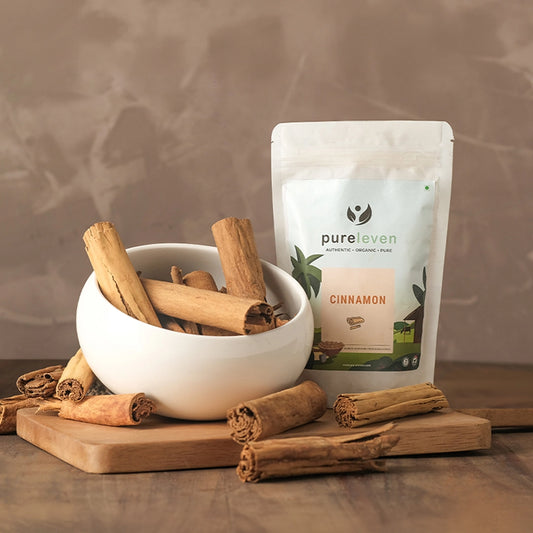 Primary pickTrue Ceylon Cinnamon (Dalchini) – Whole Quills from Sri LankaChoose between lighter Ceylon character and fuller cassia warmth with a cleaner conversion path.Rs. 250.00Rs. 190.00
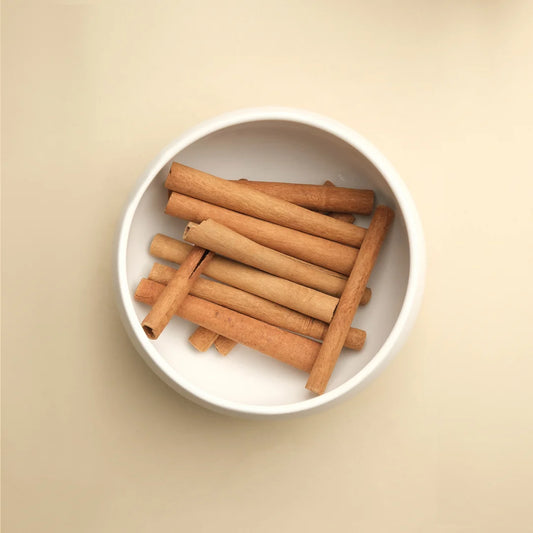 Also considerPremium Cassia Cinnamon Whole SticksRs. 159.50Rs. 120.00
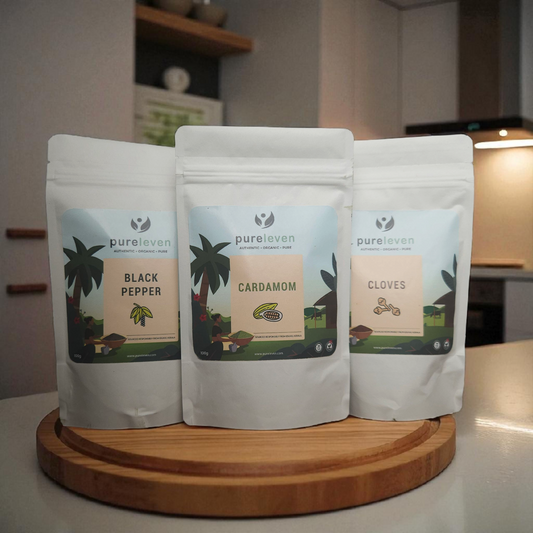 Kitchen add-on3-in-1 Kerala Spice ComboRs. 909.00Rs. 559.00


