



Pureleven journal
Cooking & Spices
From Kerala soil to your kitchen.
Pureleven spice journal
When a Spice Price Is Too Low to Be True
Answer-first guidance with a faster path to farm-origin Kerala products you can buy today.
Quick Summary
What really goes into a spice price, what hides behind cheap spices, and how to tell when a price sits below what the raw spice itself costs.
Jump through the guide
Go straight to the sections that answer the buying, comparison, or sourcing question you came for.
A spice price is too low to be true when it sits well below what the raw spice costs at wholesale, before anyone has cleaned, graded, packed or shipped it. Cheap spices at that level usually mean an older crop, a lower grade, spent or oil-extracted spice, or something added for weight or colour. The quickest check is to compare the price with the current auction or wholesale rate.
Cheap isn't always bad. But with spices, a price that makes no sense usually has a reason, and the reason is rarely good for your cooking.
What goes into the price of a pack of spices?
Every honest pack carries the same basic costs. Knowing them helps you see when a price has skipped a few.
- The raw spice. Cardamom and pepper prices move a lot with the season and the weather, and they're set in open markets.
- Cleaning and grading. Removing stalks, dust, broken pieces and light berries takes time and some of the weight.
- Drying and storage. Proper drying and dry storage protect the crop but cost money.
- Packing. A good pouch or jar that keeps out air and moisture costs more than a thin plastic bag.
- Delivery and returns. Especially for online orders.
If a seller's price is below the cost of the raw spice alone, one of these has been cut, or the spice isn't what the label says.
How can you tell if a spice price is too low?
For cardamom, the Spices Board of India publishes the results of its e-auctions, including the average price per kilo, on its website. That figure is what traders and packers pay for unsorted cardamom before any grading or packing.
If a retail pack works out to less than that auction average per kilo, ask yourself how. The same logic applies to pepper and cloves using market rates reported in the news or by trade bodies. You don't need exact figures. A rough sense of the wholesale rate is enough to spot a price that can't add up.
What usually hides behind cheap spices?
| What you might be getting | Why it's cheaper | How to spot it |
|---|---|---|
| Old or last season's crop | Stock that didn't sell at full price | Faded colour, weak smell, no packing date |
| Lower grade sold under a higher name | Small, split or immature pods and berries | Uneven sizes, many broken pieces |
| Exhausted cardamom or spent cloves | The oil has already been sold separately | Pale, limp pods, shrunken cloves that float |
| Light pepper or added seeds | Filler that weighs less and costs less | Berries that crush easily or float |
| Added colour | Makes a dull, low grade look fresh | Colour that stains a damp tissue or streaks in water |
| Cassia sold as cinnamon | Cassia costs much less than Ceylon cinnamon | Thick, hard, single-layer bark |
We've written about two of these in detail: how to spot exhausted cardamom pods and artificial colour in spices. For the cinnamon question, see Ceylon vs cassia cinnamon.
Is a high price proof of quality?
No, and it's worth saying plainly. A high price can be branding, fancy packaging or a big marketing budget. It doesn't prove the spice is fresh or genuine.
The point isn't to buy the most expensive pack. It's to notice when a price is so far below the market that the maths only works if something is missing. Between those two extremes, judge the spice itself.
Which is better value: cheap powder or dearer whole spices?
Often the whole spice, even when it costs more per gram. Whole cardamom, pepper and cloves keep their oils much longer than powders, so less goes stale in the jar. You can also check a whole spice with your eyes and nose before you use it.
Powders hide more. A cheap chilli or coriander powder may carry husk, dust, colour or fillers you can't see. If price matters, buy whole in a sensible quantity and grind small amounts yourself. That usually gives better value than a large cheap packet you throw half of away.
Quick checklist before you buy cheap
- Is the price per kilo below the wholesale or auction rate?
- Does the pack show a packing month and year?
- Is the grade or size stated, and does it match what you see?
- Does it smell strongly when you crush a piece?
- Would the seller answer questions about origin and harvest?
If two or more answers are "no", the low price probably isn't a bargain. Our hub guide on what makes a spice authentic explains the bigger picture.
How we price our spices
Our prices follow what we pay for the crop, plus cleaning, packing and delivery. Our cardamom, pepper and cloves come from Idukki and are packed whole with nothing added. We won't be the cheapest listing you find, and we'd rather tell you why than pretend otherwise. If you want to judge for yourself, our Kerala spice combo pack has cloves, pepper and cardamom together, so you can run every check above.
Frequently asked questions
How do I check the wholesale price of cardamom?
The Spices Board of India publishes daily e-auction results for small cardamom, including the average price per kilo. Remember that this is for ungraded cardamom, before cleaning, grading, packing and delivery.
Does a low price always mean adulteration?
No. It can mean an older crop, a smaller grade or a seller clearing stock. But when a price sits below the raw material cost, something has to explain the gap, so check the spice carefully.
Are cheap spices safe to eat?
Many are, but some adulterants, such as industrial dyes, aren't. If a cheap spice fails a simple home check like the water or tissue test, stop using it and buy from a source you trust.
Next time a price makes you stop and look twice, trust that instinct and ask the seller one more question.
Sources
Ready to buy?
Related products for this article
Move from reading intent to shopping intent with product cards tied to this topic and a direct route into the wider catalog.
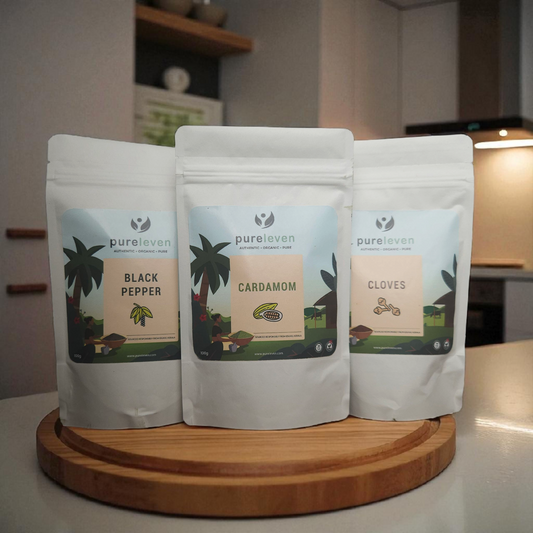 Primary pick3-in-1 Kerala Spice ComboStart with a best-selling Pureleven product picked to match the buying intent behind this article.Rs. 909.00Rs. 559.00
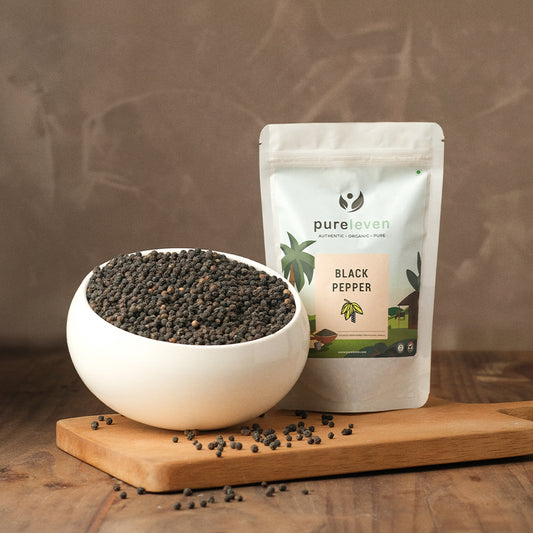 Also considerKerala Black Pepper (Kali Mirch) – Bold Whole Peppercorns from IdukkiRs. 100.00
 Kitchen add-onExtra Bold Kerala Cardamom (Elaichi) – 8mm Whole Pods from IdukkiRs. 309.00Rs. 270.00


