



Pureleven journal
Cooking & Spices
From Kerala soil to your kitchen.
Cinnamon buying guide
Tej Patta and Cassia: Related Trees, Different Uses
Compare daily-use cinnamon options and move directly into a product shortlist without leaving the article cold.
Quick Summary
Tej patta and cassia come from related Cinnamomum trees. How the leaf and the bark differ, and how to use each in Indian cooking.
Jump through the guide
Go straight to the sections that answer the buying, comparison, or sourcing question you came for.
Tej patta and cassia come from relatives in the same genus, Cinnamomum. Tej patta is the leaf of Cinnamomum tamala, while the cassia sold as dalchini is bark from trees like Cinnamomum cassia. In the pan they do different jobs. Tej patta gives a soft clove-and-cinnamon background to rice and curries, and cassia gives strong, hot cinnamon.
Both often land in the same hot ghee at the start of a biryani, so people treat them as one thing. They aren't, and knowing the difference helps you use each better.
How are they related?
Think of Cinnamomum as a big family of aromatic trees. Different members give different spices:
- Cinnamomum verum gives Ceylon or true cinnamon bark.
- C. cassia, C. burmannii and C. loureiroi give the barks sold as cassia. See types of cassia.
- Cinnamomum tamala gives tej patta, the Indian bay leaf. It grows in the Himalayan foothills and north-east India and in neighbouring countries.
So they're cousins, not the same plant. For the bigger picture on dalchini, start with our cassia cinnamon guide.
Tej patta, cassia and bay laurel compared
| Tej patta | Cassia (dalchini) | Bay laurel | |
|---|---|---|---|
| Plant | Cinnamomum tamala leaf | Cinnamomum cassia and related species, bark | Laurus nobilis leaf |
| Look | Longer leaf with three veins running base to tip | Thick, hard, reddish-brown bark | Shorter leaf with one central vein |
| Smell | Gentle cinnamon and clove | Strong, hot cinnamon | Herbal, piney, slightly lemony |
| Main use | Biryani, pulao, dal, North Indian and Bengali curries | Curries, biryani, chai, garam masala | European soups, stews, sauces |
| Eaten? | No, removed or left on the plate | No, sticks removed | No, removed |
The three veins are the easiest way to spot real tej patta. Hold a leaf to the light and you'll see them running lengthways. A Mediterranean bay leaf has a single midrib with smaller veins branching off.
How each is used
Tej patta
Quiet work. One or two leaves go into hot oil or ghee, sizzle for a few seconds, and then the rice, onions or dal go on top. By the end you won't taste "leaf", but the dish smells rounder and warmer. It's common in North Indian, Mughlai, Bengali and Nepali food: pulao, rajma, chole, kormas, biryani.
Cassia
The louder partner. A small piece in the same tadka adds real cinnamon heat and sweetness, carries through long cooking and stands up to strong masalas. It goes into chai and is a standard part of garam masala.
Together
The classic biryani or pulao start: tej patta, a piece of cassia, a few cloves, green cardamom and sometimes black cardamom. The leaf gives background, the bark gives warmth, and the rest fill the gaps.
Leaves in Kerala kitchens
Tej patta isn't big in traditional Kerala cooking. In parts of the state, leaves of a local wild cinnamon relative, Cinnamomum malabatrum (vazhana in Malayalam), are used to wrap steamed rice sweets, and they give the dough a cinnamon smell as it steams.
Can one replace the other?
Not really. They do different work.
- No tej patta? Leave it out, or add a very small extra piece of cassia and one more clove. The dish will be a bit sharper but still good.
- No cassia? Tej patta alone won't give the cinnamon warmth. Use a piece of Ceylon cinnamon, or a pinch of garam masala near the end.
- Only Mediterranean bay leaves? A poor swap in Indian food. Leaving the leaf out is usually better.
Buying and storing both
Good tej patta is olive-green, whole and still smells when crushed. Brown, brittle leaves have lost most of their aroma. For cassia, scratch the inside of the bark. It should smell sweet and hot at once.
Keep both in airtight jars, away from light and the stove. Whole cassia holds its flavour for a long time. Dried leaves fade faster, so replace them once crushing gives no smell.
Is tej patta the same as cinnamon leaf?
Tej patta is a cinnamon relative, so in a broad sense yes, but it's not the leaf of the Ceylon or cassia tree. "Cinnamon leaf" is used loosely for several of these, and tej patta isn't meant to be eaten. The leaves are tough and don't soften in cooking, so take them out or leave them on the plate.
We don't sell tej patta. For the cassia half of the pair, our cassia cinnamon sticks are packed whole with nothing added.
Next time you heat ghee for a pulao, drop in one of each and notice what each adds.
Ready to buy?
Related products for this article
Move from reading intent to shopping intent with product cards tied to this topic and a direct route into the wider catalog.
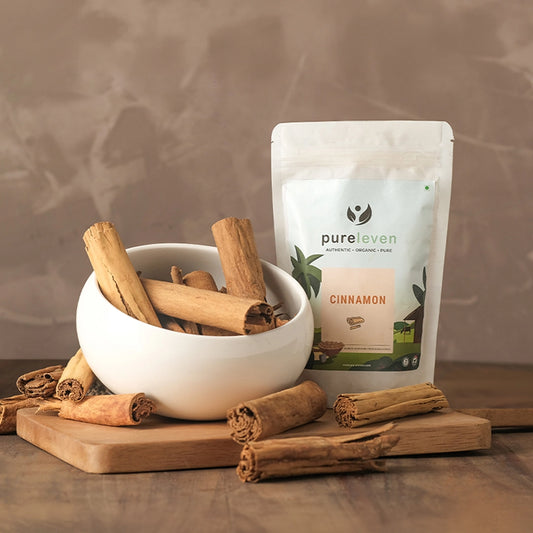 Primary pickTrue Ceylon Cinnamon (Dalchini) – Whole Quills from Sri LankaChoose between lighter Ceylon character and fuller cassia warmth with a cleaner conversion path.Rs. 250.00Rs. 190.00
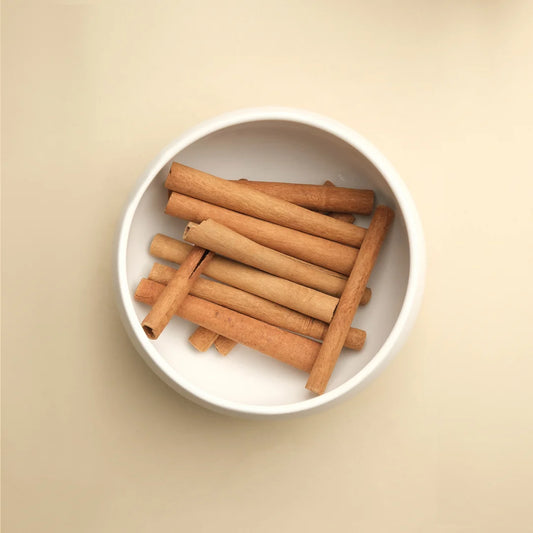 Also considerPremium Cassia Cinnamon Whole SticksRs. 159.50Rs. 120.00
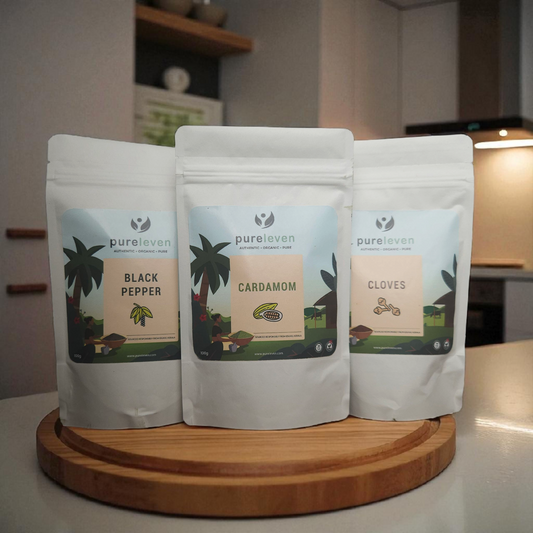 Kitchen add-on3-in-1 Kerala Spice ComboRs. 909.00Rs. 559.00


