



Pureleven journal
Cooking & Spices
From Kerala soil to your kitchen.
Cinnamon buying guide
Is Your Cinnamon Really Ceylon? A Two-Minute Check
Compare daily-use cinnamon options and move directly into a product shortlist without leaving the article cold.
Quick Summary
How to identify Ceylon cinnamon at home in two minutes: check the layers, colour, snap, smell and taste of the stick, and what to do about powder.
Jump through the guide
Go straight to the sections that answer the buying, comparison, or sourcing question you came for.
To identify Ceylon cinnamon, look at the end of the stick: real Ceylon is made of many thin, papery layers rolled together like a cigar, it is light tan, and it snaps or crumbles easily in your fingers. Cassia is a single thick layer of bark curled inward, darker reddish brown, and hard enough that you struggle to break it. Those three checks (layers, colour, snap) take less than two minutes and settle most cases.
Go and get your jar. We'll do this together.
The two-minute check
- Look at the cut end (20 seconds). Hold a stick up and look straight into the end. Ceylon shows lots of fine layers, one inside another, filling most of the tube. Cassia shows one thick sheet rolled in from one or both edges, with a clear hollow in the middle.
- Check the colour (10 seconds). Ceylon is pale, a light tan or sandy brown. Cassia is darker, a reddish or chocolate brown. Put a stick on a white plate in daylight if you're unsure.
- Try to snap it (15 seconds). Ceylon breaks easily and flakes into thin shards. Cassia is hard and woody. You'll usually need a knife or a grinder, not your fingers.
- Feel the surface (10 seconds). Ceylon feels smooth and slightly papery. Cassia's outer surface is rougher and often has bits of outer bark left on.
- Smell it (20 seconds). Snap a piece near your nose. Ceylon smells sweet, soft and a little citrusy. Cassia smells strong and hot, the smell most of us think of as "dalchini".
- Taste a flake (30 seconds). Ceylon is mild and sweet with no real bite. Cassia is sharper, spicier and slightly bitter.
If your stick passes on layers, colour and snap, it's almost certainly Ceylon. If it fails on all three, it's cassia, whatever the label says.
Quick reference: how to identify Ceylon cinnamon
| Check | Ceylon cinnamon | Cassia (Chinese, Vietnamese, Indonesian) |
|---|---|---|
| Cross-section | Many thin rolled layers | One thick curled layer |
| Colour | Light tan | Dark reddish brown |
| Snap | Crumbles by hand | Hard, woody |
| Surface | Smooth, papery | Rough, sometimes with outer bark |
| Smell | Sweet, delicate, citrusy | Strong, hot, familiar dalchini |
| Taste | Mild, sweet | Spicy, slightly bitter |
Why do they look so different? Because they're made differently. Ceylon quills are built by hand from thin strips of inner bark, while cassia is one thick piece that curls on its own. We explain the process in how Ceylon cinnamon quills are made.
What if it's powder?
You can't be sure at home. Ground Ceylon is a little lighter and softer-smelling than ground cassia, but blends are common and colour varies with grinding. You'll see home "tests" shared online, but none of them is reliable enough to trust over a lab.
What you can do:
- Compare it side by side with a pinch you ground yourself from a known Ceylon stick.
- Check the label for the botanical name, Cinnamomum verum or Cinnamomum zeylanicum.
- Be wary of powder sold as "Ceylon" at the same price as ordinary cinnamon powder.
- Next time, buy sticks and grind small amounts yourself.
Common mix-ups when checking cinnamon
"It's thin, so it must be Ceylon"
Not quite. Some cassia is sold in thin, neatly cut sticks. Thickness alone isn't enough. Always look for the multiple layers inside.
"The label says true cinnamon"
Labels can be wrong, sometimes by honest mistake further up the supply chain. The stick in your hand is the evidence. If the label and the stick disagree, believe the stick.
"My Ceylon sticks are broken"
That's normal. Ceylon is fragile and breaks in transit. Broken pieces with visible layers are still Ceylon. Cassia rarely arrives broken because it's so hard.
Why it's worth checking
Partly flavour: Ceylon gives a gentler, sweeter result in tea and desserts. And partly coumarin: cassia carries far more of it, so people who use cinnamon every day are often advised to choose Ceylon. Our plain explanation of Ceylon cinnamon and coumarin puts numbers on that.
Neither spice is bad. Plenty of dishes, especially rich meat curries, are better with cassia. You just want to know which one you're paying for. For the full checklist before you buy, see buying Ceylon cinnamon online.
If you'd like a known reference stick
Our True Ceylon Cinnamon sticks are whole quills of Cinnamomum verum, so you can see the layers for yourself and use one as a reference against other packs. And if you're not sure about a pack you already have, send us a clear photo of the cut end on WhatsApp (+91 88482 65849). We'll tell you what we think, even if you bought it somewhere else.
Frequently asked questions
Is dark cinnamon always cassia?
Usually, but not always. Very old or badly stored Ceylon can darken a little. Combine the colour check with the layer and snap checks before deciding.
Can I tell Ceylon from cassia by smell alone?
Smell helps, but it's not enough on its own. Ceylon is sweeter and softer, cassia stronger and hotter, but the difference is easier to judge side by side than from memory.
Is Indian dalchini Ceylon or cassia?
Most cinnamon sold as dalchini in Indian markets is cassia. Ceylon cinnamon is usually sold under that specific name, and you should still check the stick itself.
Done? Put the jar back, well sealed, and you'll know exactly what's in it next time you cook.
Ready to buy?
Related products for this article
Move from reading intent to shopping intent with product cards tied to this topic and a direct route into the wider catalog.
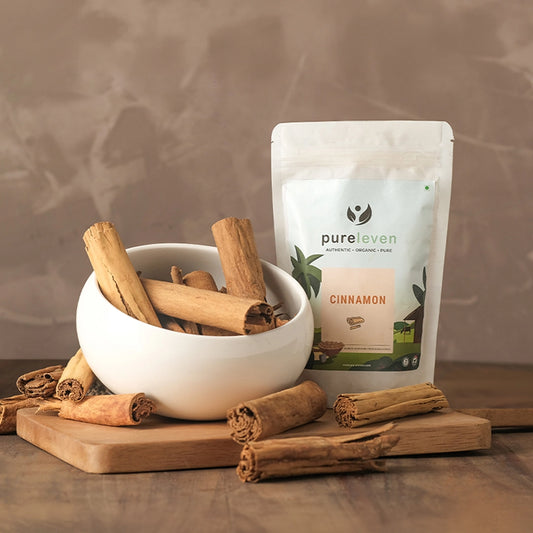 Primary pickTrue Ceylon Cinnamon (Dalchini) – Whole Quills from Sri LankaChoose between lighter Ceylon character and fuller cassia warmth with a cleaner conversion path.Rs. 250.00Rs. 190.00
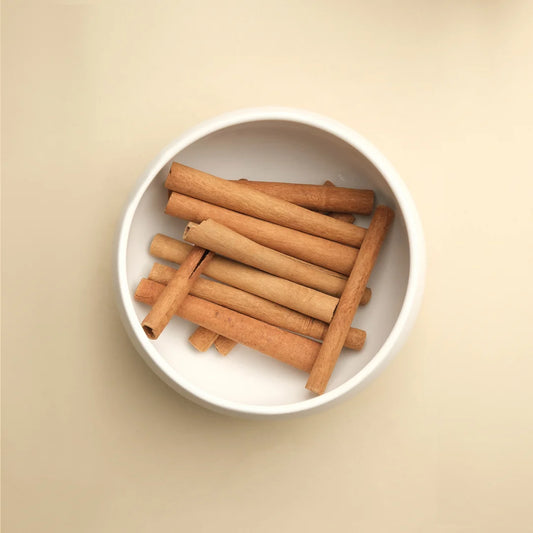 Also considerPremium Cassia Cinnamon Whole SticksRs. 159.50Rs. 120.00
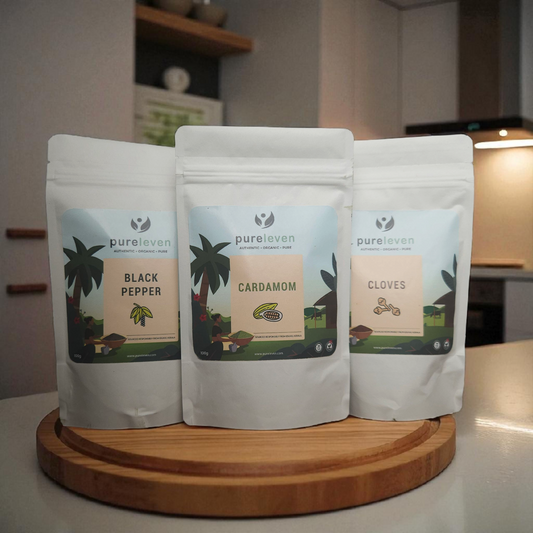 Kitchen add-on3-in-1 Kerala Spice ComboRs. 909.00Rs. 559.00


