



Pureleven journal
Cooking & Spices
From Kerala soil to your kitchen.
Kerala clove guide
The Clove Float Test: What It Shows and What It Doesn't
Use the article as your buying bridge from clove education to stronger aroma and better pack selection.
Quick Summary
How to do the clove water test at home, what sinking and floating cloves mean, and the other checks to use alongside it.
Jump through the guide
Go straight to the sections that answer the buying, comparison, or sourcing question you came for.
Drop a few cloves into a glass of water and watch. Cloves that still hold their oil usually sink or stand upright with the head up, and cloves that have had their oil taken out tend to lie flat on the surface. It's a quick, rough check for exhausted cloves. It doesn't prove quality on its own.
How do you do the clove float test?
This follows the home check FSSAI shares for spotting exhausted cloves.
- Fill a clear glass with plain water at room temperature.
- Take 10 to 15 cloves from different parts of the pack.
- Drop them in gently and don't stir.
- Wait a minute or two, then look at where they settle.
- Judge the pattern across the handful, not what one clove does.
You can still use the cloves afterwards if you pat them dry and cook with them in a day or two. Don't put them back in the storage jar wet.
What do the results mean?
| What you see | What it usually means |
|---|---|
| Most sink to the bottom | Dense buds, oil likely still there |
| Most float upright, head up | Normal for good cloves, oil likely still there |
| Most lie flat on the surface | Possibly exhausted cloves with the oil removed |
| A mix of all three | Common. Go by the overall pattern and other checks |
Why does oil make a clove sink or stand?
Clove oil is heavier than water. A bud full of oil is dense, so it sinks or bobs upright, with the heavier end pulled down. Once the oil has been distilled out, the bud is lighter and more hollow, and it floats flat.
What can't the float test tell you?
It's a rough screen, not a lab test. It says nothing about these.
- Freshness. A clove that has slowly lost its smell over a couple of years may still sink.
- Grade. Headless cloves and stems can sink too. Nothing here counts intact heads.
- Exact oil content. A very oily clove and an average one can behave alike.
- Moisture. A badly dried clove can be heavy for the wrong reason.
- Mixed packs. If some exhausted cloves are mixed with good ones, a small sample can miss them.
Single cloves also misbehave. One can float flat because of its shape or a tiny air bubble, which is why you test a handful.
What should you check alongside it?
Treat the glass as one clue. The others take seconds.
- Smell the pack as soon as you open it. Good cloves smell sharp and warm at once.
- Press a clove with your fingernail. A fresh one feels slightly oily.
- Look at the heads. Most should be intact.
- Check the colour. Dark reddish-brown, not grey or dusty.
- Chew one. A good clove tastes strong and numbs your tongue a little.
Flat floaters, a weak smell and a dry feel together mean something's wrong. A clove that sinks but smells faint is probably just old. Our post on clove grades covers heads, stems and defects, and the spice quality checklist does the same for pepper and cardamom.
Why do exhausted cloves exist at all?
Clove oil is valuable for flavouring and other industries. After the oil is distilled out, the spent buds still look roughly like cloves, and dried again and mixed into a pack they're hard to spot by eye. That's what the float test is meant to catch.
A cheap pack isn't automatically exhausted. But if the price is far below the rest of the market, do the float test and a proper sniff.
Try it side by side
Our whole Adimali cloves come from farms around Adimali in Idukki, packed with nothing added. Test them next to any other pack in your kitchen. Two samples in two glasses teach more than reading about it. For storage and how much to use, see the Kerala cloves buyer's guide.
Why do my old cloves still sink?
Cloves lose aroma slowly and don't always lose enough weight to float. An old clove can sink and still taste weak. For freshness, trust your nose over the glass.
Sources
Ready to buy?
Related products for this article
Move from reading intent to shopping intent with product cards tied to this topic and a direct route into the wider catalog.
 Primary pickKerala Adimali Clove Whole BudsKerala cloves selected for richer aroma, kitchen usefulness, and better value than commodity-grade alternatives.Rs. 200.00Rs. 140.00
Also considerKerala Adimali Clove Whole BudsRs. 200.00Rs. 140.00
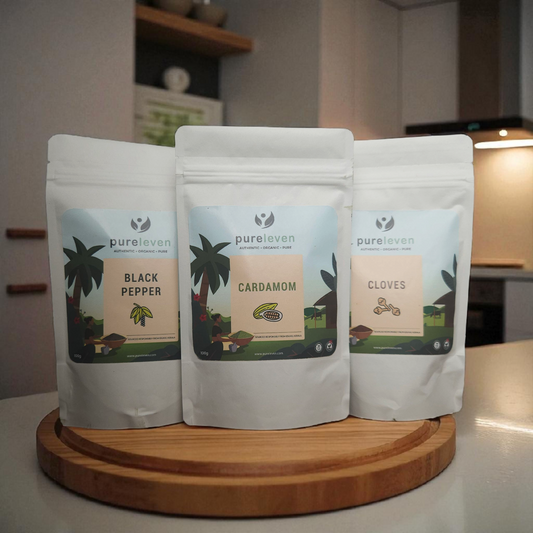 Kitchen add-on3-in-1 Kerala Spice ComboRs. 909.00Rs. 559.00


