



Pureleven journal
Cooking & Spices
From Kerala soil to your kitchen.
Cinnamon buying guide
Buying Ceylon Cinnamon Online in India: What to Check
Compare daily-use cinnamon options and move directly into a product shortlist without leaving the article cold.
Quick Summary
How to buy real Ceylon cinnamon online in India: check the botanical name, the layered quill, the price and the seller before you pay.
Jump through the guide
Go straight to the sections that answer the buying, comparison, or sourcing question you came for.
When you buy Ceylon cinnamon online in India, check three things: it is really Cinnamomum verum and not cassia under a nicer name, you are getting whole quills rather than powder, and the seller actually knows what they're selling. Real Ceylon cinnamon sticks are thin, papery layers rolled together like a cigar, light tan in colour, and they snap easily in your fingers. If a listing can't show you that, keep scrolling.
We sell spices from Rajakumari in Idukki, and cinnamon is one of the questions we get most on WhatsApp. So here is the checklist we would give a friend before they pay for Ceylon cinnamon online.
What is Ceylon cinnamon, and why do people look for it?
Ceylon cinnamon is the inner bark of Cinnamomum verum, the tree also called true cinnamon. Most of the world's supply comes from Sri Lanka, which is where the old name Ceylon comes from. In Malayalam both kinds get called karuvapatta, and in Hindi dalchini, which is part of why buyers get confused.
The cinnamon most Indian kitchens grew up with is usually cassia. It is thicker, darker and stronger. Neither is "bad". They are simply different spices, and we've written a full Ceylon vs cassia comparison if you want the side-by-side on flavour and uses.
People look for Ceylon for two main reasons. One is taste: it is sweeter and softer, with a light citrus edge that works in tea, payasam and baking. The other is coumarin, a natural compound that cassia carries in much larger amounts. Food safety bodies such as Germany's BfR suggest that people who use a lot of cinnamon regularly choose the low-coumarin Ceylon type.
How can you tell real Ceylon cinnamon from cassia?
This is the part most listings skip. You don't need a lab. You need your eyes and your fingers.
| What to check | Ceylon cinnamon | Cassia |
|---|---|---|
| Look of the stick | Many thin layers rolled inside each other, like a cigar | One thick layer, curled in from the edges, hollow in the middle |
| Colour | Light tan, pale brown | Darker reddish brown |
| Feel | Brittle, crumbles or snaps by hand | Hard, woody, difficult to break |
| Smell and taste | Sweet, soft, slightly citrusy | Strong, hot, a little bitter |
| Coumarin | Very low | Much higher, and varies a lot between batches |
Powder is where this gets hard. Once it is ground, cassia and Ceylon look very similar, and a blend is almost impossible to spot at home. That's the main reason we suggest buying sticks.
A checklist before you order Ceylon cinnamon online
- The botanical name is on the listing. Look for Cinnamomum verum or Cinnamomum zeylanicum. If a page only says "dalchini" or "cinnamon", it is very likely cassia.
- The photo shows the end of the stick. You want to see the rolled, layered cross-section. A photo of a single thick curl is cassia, whatever the title says.
- Sticks, not powder. Whole quills keep their smell far longer and you can check them. Grind small amounts at home when you need it.
- The price makes sense. Ceylon costs noticeably more than cassia because the peeling is skilled hand work. A "Ceylon" pack priced like everyday dalchini deserves a question.
- Grade claims come with an explanation. Sri Lanka grades quills by thickness, with names like Alba, Continental, Mexican and Hamburg. A seller who uses these words should be able to tell you what they mean.
- Small packs. Unless you bake every week, 50 g to 100 g is plenty. Cinnamon loses its smell slowly, but it does lose it.
- Someone answers your questions. Send a message before you order. A quick, specific reply tells you more than any label.
Our general spice quality checklist covers the same idea for pepper, cardamom and cloves too.
What should good Ceylon cinnamon smell and taste like?
Break a stick near your nose. Fresh Ceylon gives a sweet, warm smell straight away, softer than cassia but clear. Chew a small flake and it should taste gently sweet with no harsh bite.
If it smells of nothing, or of dust and cardboard, it is old. If it tastes hot and slightly bitter, you are probably holding cassia.
Colour and breakage
Good sticks are an even light brown. A few darker patches (the trade calls them foxing) are normal on some grades and don't mean the spice is bad. Lots of broken pieces in a pack is normal too, because Ceylon is fragile. What you don't want is dampness, mould spots or a musty smell.
How much Ceylon cinnamon do you actually need?
Less than you think. Ceylon is milder than cassia, so you may want a slightly bigger piece in a curry or a biryani, but a 100 g pack still lasts most home kitchens a few months. A couple of centimetres of stick is enough for a pot of tea or a pan of payasam.
On coumarin, keep it simple. The European Food Safety Authority set a tolerable daily intake of 0.1 mg of coumarin per kg of body weight. Studies generally find only small traces in Ceylon cinnamon, while cassia can hold a few grams per kilo. Normal cooking amounts of Ceylon are not a concern for most people. If you are thinking of taking cinnamon daily for a health reason, or you have a liver condition, please talk to your doctor first.
Storing Ceylon cinnamon once it arrives
- Move the sticks into an airtight glass or steel jar.
- Keep the jar away from the stove and out of direct sun.
- Don't keep a spoon or wet fingers going in and out. Moisture is what spoils it.
- Whole quills stored like this stay good for a year or more. Powder fades within a few months.
There's more on this in our guide to storing spices properly.
What we sell, and what we don't claim
We are a small spice business in Idukki. We grow and source cardamom, pepper and cloves here, but we don't grow cinnamon, and we won't pretend we do. Our True Ceylon Cinnamon sticks are whole quills of Cinnamomum verum, packed whole with nothing added. If you want the stronger, everyday style, our cassia cinnamon sticks are the other option, and plenty of kitchens keep both.
Delivery usually takes 4 to 5 working days across India, and shipping is free above ₹649.
Frequently asked questions
Is Ceylon cinnamon the same as dalchini?
Dalchini is the Hindi word for cinnamon in general, and in most Indian shops it means cassia. Ceylon cinnamon is a different species, Cinnamomum verum. If you want Ceylon, check the botanical name and the layered look of the stick rather than the Hindi name.
Is it safe to buy Ceylon cinnamon powder online?
It can be, but it is much harder to check. Once ground, Ceylon and cassia look almost the same, and blends are common. Buying whole sticks and grinding a little at a time is the safer and fresher choice.
Have a question about a pack you already own, or about ours? Send us a photo on WhatsApp at +91 88482 65849 and we'll tell you what we see.
Sources
Ready to buy?
Related products for this article
Move from reading intent to shopping intent with product cards tied to this topic and a direct route into the wider catalog.
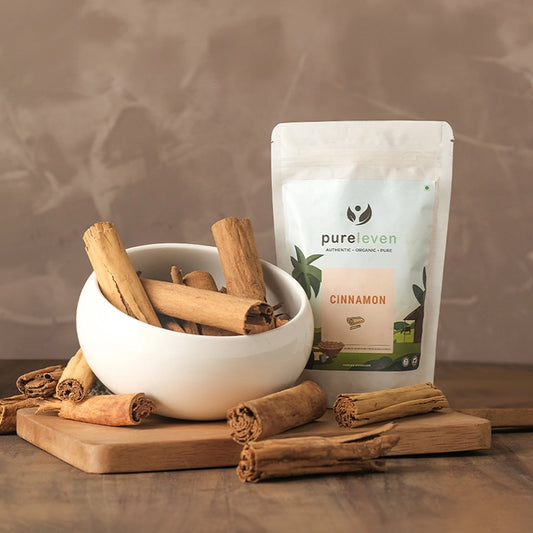 Primary pickTrue Ceylon Cinnamon (Dalchini) – Whole Quills from Sri LankaChoose between lighter Ceylon character and fuller cassia warmth with a cleaner conversion path.Rs. 250.00Rs. 190.00
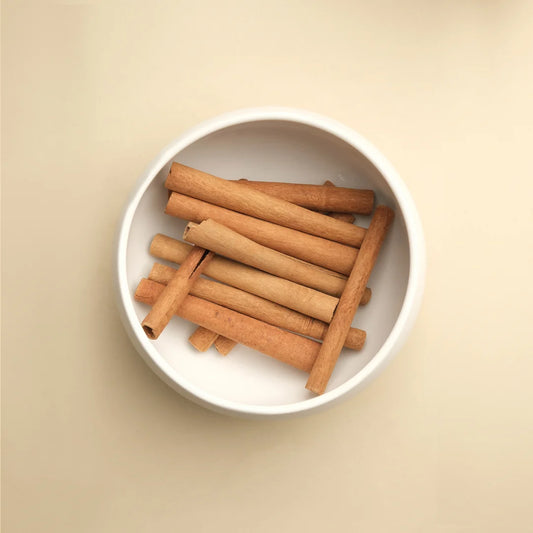 Also considerPremium Cassia Cinnamon Whole SticksRs. 159.50Rs. 120.00
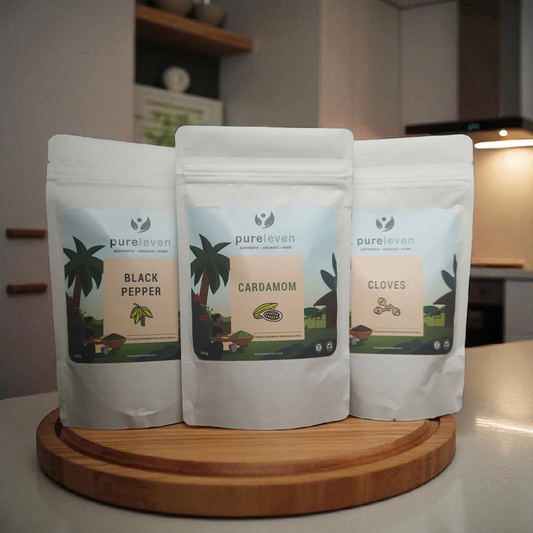 Kitchen add-on3-in-1 Kerala Spice ComboRs. 909.00Rs. 559.00


