



Pureleven journal
Cooking & Spices
From Kerala soil to your kitchen.
Daily wellness spice guide
How Turmeric Powder Is Made: Boiling, Drying and Grinding
Turn informational reading into a practical kitchen buy with a shortlist built for daily Kerala-style cooking.
Quick Summary
Step by step: how turmeric roots are harvested, boiled, dried, polished and ground into powder, and where quality can slip.
Jump through the guide
Go straight to the sections that answer the buying, comparison, or sourcing question you came for.
Turmeric powder is made by harvesting the underground rhizomes, boiling them until soft (called curing), drying them hard for one to two weeks, polishing off the rough skin, and then grinding the dried fingers into powder. Boiling spreads the colour evenly and helps the roots dry properly. Roughly a fifth to a quarter of the fresh weight survives as dry turmeric, which is part of why good turmeric powder isn't as cheap as it looks.
Most of us only ever see the yellow powder. This is what happens before it reaches the packet, based on the FAO's post-harvest guide for turmeric and common practice in India.
The steps, from field to powder
- Harvest. Turmeric is ready about 7 to 10 months after planting, depending on the variety, soil and weather. The leaves turn yellow and dry, and the clumps are dug out by hand or with simple tools.
- Clean and separate. Soil and roots are removed. The central "mother" rhizomes are separated from the side "fingers". They're usually cured separately because they cook at different speeds.
- Cure (boil). Within two or three days of harvest, the rhizomes are boiled in water. For small batches this takes around 45 minutes to an hour. Big batches can take several hours. They're done when they yield to finger pressure and a blunt stick pokes through easily.
- Dry. The cooked rhizomes are spread out to dry. In the sun this takes about 10 to 15 days. Mechanical dryers at around 60°C are faster and avoid colour loss from strong light. The target is a moisture level of about 5 to 10%, when the fingers are hard and snap with a metallic sound.
- Polish. Dried turmeric is rough and dull. It's rubbed or tumbled in rotating drums with a mesh lining to remove skin and rootlets, which gives the smooth, yellow finish you see on whole fingers.
- Grade. Fingers, bulbs and splits are sorted by size and quality.
- Grind. The dried fingers are ground, usually to a fine powder of around 60 to 80 mesh, then sieved and packed.
Why is turmeric boiled before drying?
Fresh turmeric is juicy and full of raw starch. If you try to dry it raw, it takes much longer and dries unevenly. The FAO guide gives three reasons for curing: it cooks the starch so the root dries evenly, it gets rid of the raw, earthy smell, and it spreads the yellow colour more evenly through the root.
Over-boiling spoils the colour and makes the turmeric brittle. Under-boiled turmeric dries patchy and dull. Getting it right is one of those skills that farmers learn by feel.
How much fresh turmeric makes a kilo of powder?
According to the FAO guide, dry recovery for released Indian varieties ranges from about 18.5% to 26%. In plain terms, that's roughly 4 to 5 kg of fresh turmeric for every kilo of dried turmeric, before any loss in polishing and grinding.
| Stage | Rough weight from 5 kg fresh |
|---|---|
| Fresh rhizomes | 5 kg |
| After curing and drying | About 0.9 to 1.3 kg |
| After polishing and grinding | A little less again |
Where can things go wrong?
Rain during drying
Turmeric harvested in a wet spell can go mouldy or brown before it's dry. Discoloured turmeric sells for less, which is where the temptation to "fix" the colour comes in.
Colour coating at the polishing stage
The FAO guide notes that turmeric powder mixed in water is sometimes applied during the final polish to brighten the fingers. That's turmeric on turmeric. The problem is when something else goes on instead. In Bangladesh, researchers found lead chromate, an industrial pigment, being dusted on roots at this stage. Our post on checking turmeric for adulteration explains why that can't be spotted at home.
Heat in grinding
High-speed grinding warms the powder, and heat drives off some of the aromatic oils. That's one reason freshly ground, small-batch turmeric often smells stronger.
Does the variety change the process?
Not much. The same steps apply for Alleppey, Erode or Lakadong turmeric alike. Variety changes the colour, curcumin and smell you start with, and processing decides how much of that you keep. We compare the main types in our guide to turmeric varieties of India.
If you want to judge the whole fingers themselves, our older post on how turmeric is graded goes into sizes and grades.
How our spices compare
We don't sell turmeric yet, though we plan to add it. Our spices go through their own simpler processes: cardamom is dried in a cardamom dryer, a heated drying chamber, and pepper and cloves are dried and packed whole with nothing added. You can find all our whole spices here. For the full picture on buying turmeric, start with the hub guide on choosing a good turmeric powder.
Next time you open a pack, think of the fortnight of drying behind that spoonful.
Sources
Ready to buy?
Related products for this article
Move from reading intent to shopping intent with product cards tied to this topic and a direct route into the wider catalog.
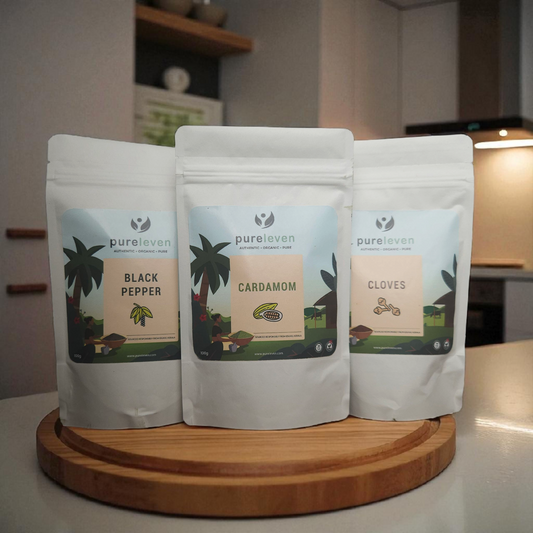 Primary pick3-in-1 Kerala Spice ComboA practical entry point for readers who want multiple Kerala staples in one order instead of one-off trial buying.Rs. 909.00Rs. 559.00
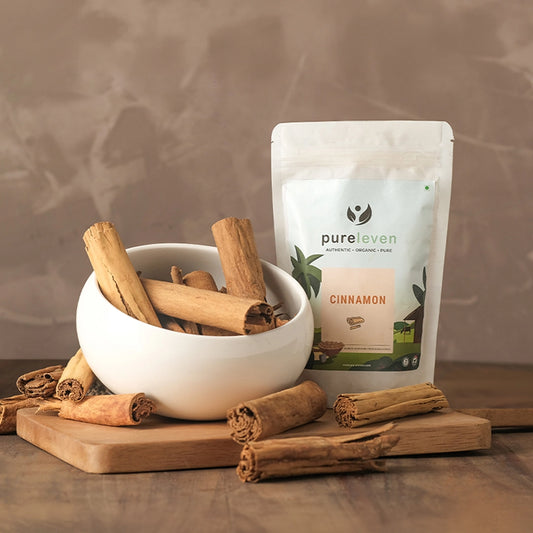 Also considerTrue Ceylon Cinnamon (Dalchini) – Whole Quills from Sri LankaRs. 250.00Rs. 190.00
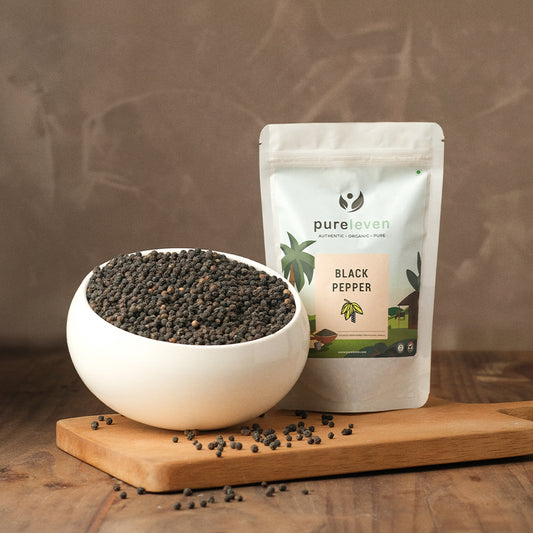 Kitchen add-onKerala Black Pepper (Kali Mirch) – Bold Whole Peppercorns from IdukkiRs. 100.00


