



Pureleven journal
Cooking & Spices
From Kerala soil to your kitchen.
Daily wellness spice guide
Making Turmeric Powder at Home From Fresh Roots
Turn informational reading into a practical kitchen buy with a shortlist built for daily Kerala-style cooking.
Quick Summary
A step-by-step guide to homemade turmeric powder: boiling, slicing, drying and grinding fresh roots, with drying options, yields and common fixes.
Jump through the guide
Go straight to the sections that answer the buying, comparison, or sourcing question you came for.
To make homemade turmeric powder, wash fresh turmeric roots, boil them until a knife slides through, slice them thin, dry the slices until they snap cleanly, then grind and sieve. It takes a day of hands-on work spread over a few days of drying, and you'll get roughly a fifth of the fresh weight back as powder. The result is fresher and more fragrant than most shop powder, and you know exactly what went into it.
It's an old habit in many Indian homes, especially in the cooler months when fresh manjal comes to the market. This is how to do it in an ordinary kitchen.
What you need
- Fresh turmeric roots, firm and deep orange inside. Start with 1 kg. It's enough to learn on.
- A large pot with a lid
- A sharp knife or a mandoline, and a board you don't mind staining
- Gloves (turmeric stains skin for days)
- Trays, plates or a clean cotton cloth for drying
- A dry mixer-grinder jar and a fine sieve
- A clean, dry airtight jar
How to make turmeric powder at home, step by step
- Clean the roots. Scrub off all the soil under running water. Trim off thin rootlets and any soft or mouldy bits.
- Boil them. Cover the roots with water and boil for about 45 minutes to an hour, until a knife goes through the thickest piece easily. This is the same curing step farmers use, just smaller. It cooks the starch, evens out the colour and helps the root dry properly.
- Cool and peel if you like. Drain, let them cool, then rub off the skin with your gloved fingers or a spoon. Peeling is optional. Unpeeled roots give a slightly darker, earthier powder.
- Slice thin. Cut into slices about 2 to 3 mm thick. Thin slices dry far faster and more evenly than whole fingers.
- Dry completely. Spread the slices in a single layer. They're ready when they're hard and snap with a crack, not bend. See the drying options below.
- Grind. Grind the dry slices in short bursts in a dry jar. Let the grinder rest between bursts so the powder doesn't heat up.
- Sieve and regrind. Sieve the powder, grind the coarse bits again, and sieve once more.
- Cool, then store. Let the powder cool fully before it goes into the jar, or any warmth will turn into moisture inside.
Which drying method should you use?
| Method | Rough time for thin slices | Good for | Watch out for |
|---|---|---|---|
| Sun on a terrace or balcony | Several days, longer in humid weather | Dry, sunny months | Dust, birds, and strong light fading the colour. Cover with a thin cloth. |
| Indoors near a window or fan | About a week or more | Small batches | Mould if the air is damp |
| Food dehydrator | Several hours | Even, reliable drying | Keep it low, around 50 to 60°C |
| Oven on its lowest setting | A few hours, door slightly open | Rainy weather | Scorching. Check often and turn the slices. |
Commercial processors dry turmeric the same way at a larger scale, which we describe in how turmeric powder is made.
How much powder will you get?
Less than you'd expect. Fresh turmeric is mostly water, and dry recovery for Indian varieties is around a fifth to a quarter of the fresh weight. So 1 kg of fresh roots usually gives somewhere near 180 to 250 g of powder, after a little loss in sieving.
That's also why homemade powder isn't really a way to save money. It's a way to get a fresher, cleaner powder that you trust.
Do you have to boil turmeric before drying?
No, but it changes the result. You can slice raw turmeric thin and dry it directly. It dries slower, the colour is often patchier, and the flavour stays sharper and more raw. Most Indian home cooks boil first because the powder tastes rounder and keeps its colour better.
If you mostly want the bright, raw flavour, it may be easier to keep fresh roots in the freezer and grate them as needed. Our post on fresh turmeric vs powder compares the two in cooking.
Common problems and fixes
The powder smells musty
The slices weren't fully dry before grinding. Spread the powder thin on a plate in a warm, dry spot for a few hours, then store it again. If you see any mould, throw the batch away.
The powder is pale or brownish
Usually over-boiling, very strong sun, or roots that were pale to start with. Choose deep orange roots next time and dry in shade or a dehydrator.
The powder is gritty
Some pieces were still slightly soft and gummed up the blades. Dry longer and sieve more.
A note from us
We don't sell turmeric yet, though we plan to add it. If you're buying powder instead of making it, our hub guide on choosing a good turmeric powder covers what to look for. And turmeric's usual partner in a Kerala kitchen, whole Idukki black pepper, comes straight from our part of Idukki.
Frequently asked questions
How long does homemade turmeric powder last?
Kept in a dry, airtight jar away from light and heat, it stays good for many months. The colour and smell are best in the first several months, so make batches you'll use within a year.
Is homemade turmeric powder better than store-bought?
It's usually fresher and more fragrant, and you know nothing was added. A good store powder from a trusted source can be just as clean, so it comes down to time and preference.
Can I dry turmeric in the microwave?
It isn't a good idea. Microwaves heat unevenly, can scorch the slices and drive off aroma. A low oven or a dehydrator gives far better control.
Buy a small bag of fresh roots next time you see them, and try one batch. The smell when you open the jar is worth it.
Ready to buy?
Related products for this article
Move from reading intent to shopping intent with product cards tied to this topic and a direct route into the wider catalog.
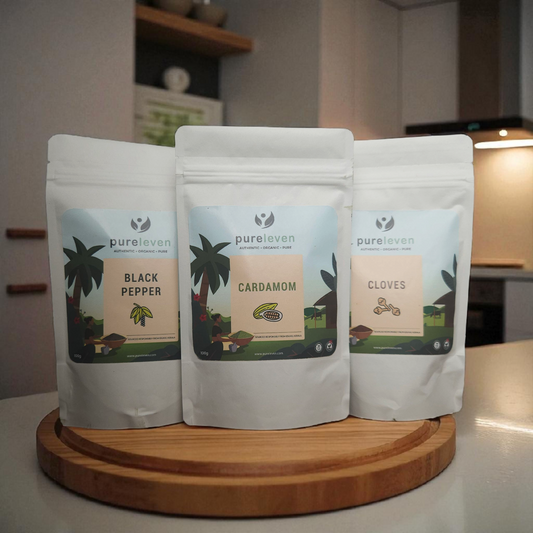 Primary pick3-in-1 Kerala Spice ComboA practical entry point for readers who want multiple Kerala staples in one order instead of one-off trial buying.₹909₹559
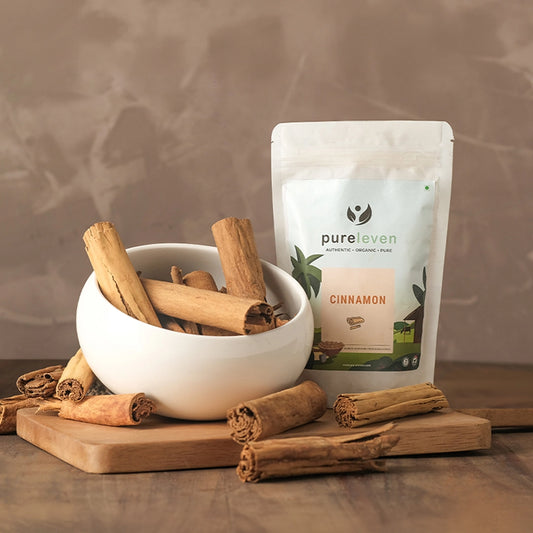 Also considerTrue Ceylon Cinnamon (Dalchini) – Whole Quills from Sri Lanka₹250₹190
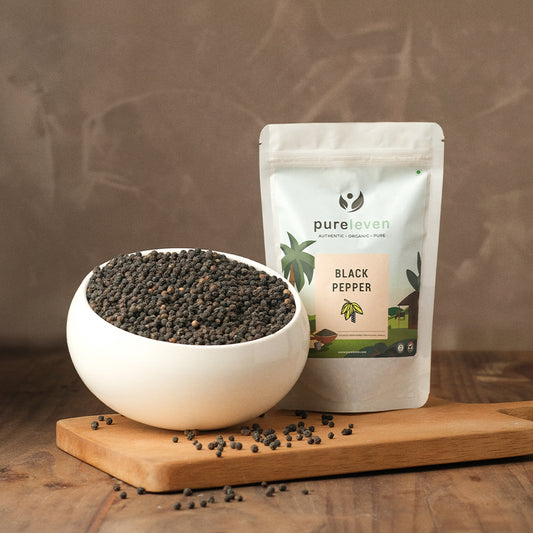 Kitchen add-onKerala Black Pepper (Kali Mirch) – Bold Whole Peppercorns from Idukki₹100


