



Daily wellness spice guide
Turmeric Grading Explained: How to Judge Quality, Color, and Buying Value
Turn informational reading into a practical pantry buy with a shortlist built for daily Kerala-style cooking.
Quick Summary
Learn how turmeric grading works, what color and cleanliness really tell buyers, and how to judge turmeric quality for cooking, sourcing, and everyday use.
Jump through the guide
Go straight to the sections that answer the buying, comparison, or sourcing question you came for.
Quick Answer
Turmeric grading helps buyers judge quality beyond bright color alone
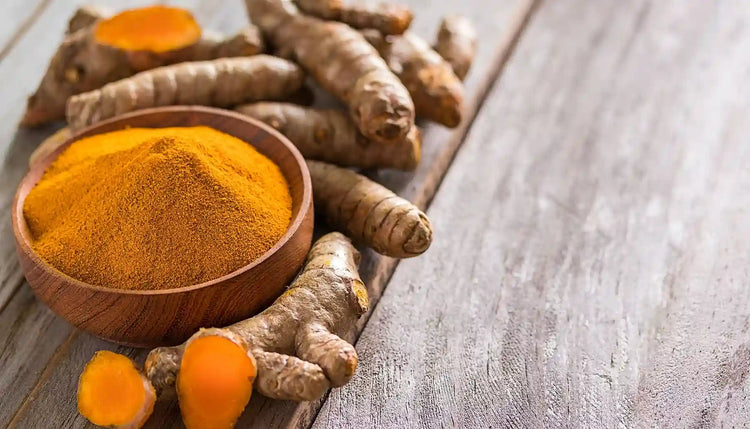
Turmeric grading is the process of judging turmeric by visible quality signals such as color, cleanliness, shape, handling, and overall suitability for the intended use. A brighter product can be attractive, but serious buying decisions are stronger when color is read alongside cleanliness, consistency, aroma, and how the turmeric has been handled.
- turmeric grading
- turmeric quality guide
- how to judge turmeric
- turmeric buying tips
Color is not enough
Good turmeric buying depends on more than a bright yellow first impression.
Quality signals
Color, cleanliness, uniformity, moisture behavior, and handling all matter.
Better comparison
Grading helps buyers compare lots with more discipline and fewer assumptions.
Soft category CTA
Until a turmeric SKU is verified, this guide should route readers into broader Kerala spice discovery.
Human Hook
One of the easiest buying mistakes is to trust color before anything else
Turmeric often gets reduced to a visual shortcut. If it looks bright, people assume it must be better. But anyone comparing spices seriously knows that appearance is only one part of the story. Clean handling, consistency, aroma, and intended use matter too.
Grading is useful because it slows the buyer down just enough to ask the right questions. Not just, "Does this look vivid?" but, "What does this quality signal actually tell me?"
- Which quality signals matter most in turmeric grading
- How to interpret grade language more practically
- What grading can and cannot tell you
- How to use the information when buying spices more carefully
Quality Signals
What turmeric grading usually looks at
| Signal | What buyers should look for | Why it matters |
|---|---|---|
| Color | Clear, attractive, consistent color | Color helps with first comparison, but should not stand alone |
| Cleanliness | Lower visible impurities and cleaner handling | Cleaner lots usually inspire more buying confidence |
| Shape and uniformity | More consistent pieces or classification | Uniformity helps buyers compare quality and fit more easily |
| Moisture behavior | Properly dried and handled material | Moisture affects storage quality and long-term usability |
| Handling quality | Better post-harvest care and sorting | Grading is stronger when the product has been handled with discipline |
Grade Logic
What a better grade can suggest, and what it does not guarantee
A better grade can signal cleaner, more consistent material
That helps buyers compare lots with more confidence when multiple options are on the table.
A better grade does not remove the need for judgment
Grade language should be read together with source, handling, and intended use.
Different buyers use grade information differently
Household buyers, retailers, and processors may prioritize different parts of the grading story.
The point is comparison discipline
Grading matters because it gives buyers a more structured way to compare quality and value.
Practical Use
How to use turmeric grading information more intelligently
Compare beyond color
Use grading signals to avoid buying by appearance alone.
Read consistency and handling
Quality language becomes more useful when matched to intended end use.
Ask what the grade explains
A stronger price should connect to cleaner, more consistent, or better-handled material.
FAQ
Frequently asked questions about turmeric grading
What does turmeric grading tell buyers?
It helps buyers compare quality signals such as color, cleanliness, consistency, and handling so they can make a more informed choice.
Is brighter turmeric always better?
No. Bright color can help, but it should be judged alongside cleanliness, consistency, and how the turmeric has been handled.
Why can turmeric grade affect price?
Better grade language often reflects stronger consistency, cleaner sorting, or more careful handling, which can influence value.
Can grading guarantee the best turmeric for every use?
No. Grading helps comparison, but buyers still need to match the product to the intended use and source expectations.
How should I use this information if I am buying for everyday cooking?
Use grading to compare quality more carefully, then pair that with storage, freshness, and broader spice-buying logic.
Soft Recommendation
Use turmeric grading as a smarter comparison tool, not a shortcut
The most useful outcome from understanding turmeric grading is not memorizing labels. It is learning how to compare spice quality with more patience and less guesswork. If you are building a broader Kerala spice shelf, move next into related spice guides and category-ready bundles while turmeric-specific routing catches up.
- Use wellness-ready combo packs as the nearest shopping path today
- Explore the wider spice catalog if you are comparing multiple kitchen staples
- Pair turmeric reading with broader spice quality guidance for better buying discipline
Ready to buy?
Related products for this article
Move from reading intent to shopping intent with product cards tied to this topic and a direct route into the wider catalog.
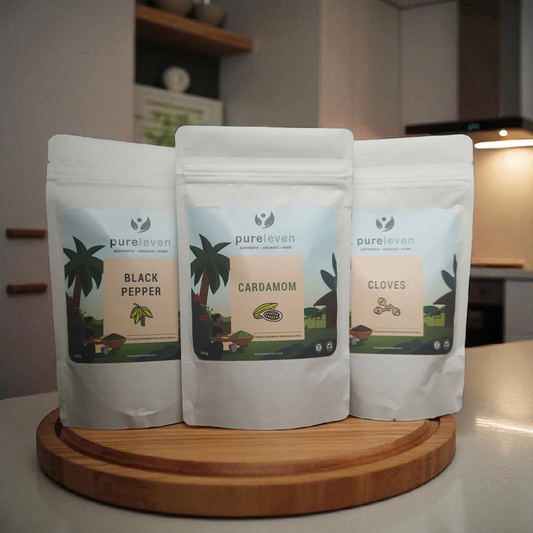 Primary pick3-in-1 Kerala Spice ComboA practical entry point for readers who want multiple Kerala staples in one order instead of one-off trial buying.Rs. 909.00Rs. 559.00
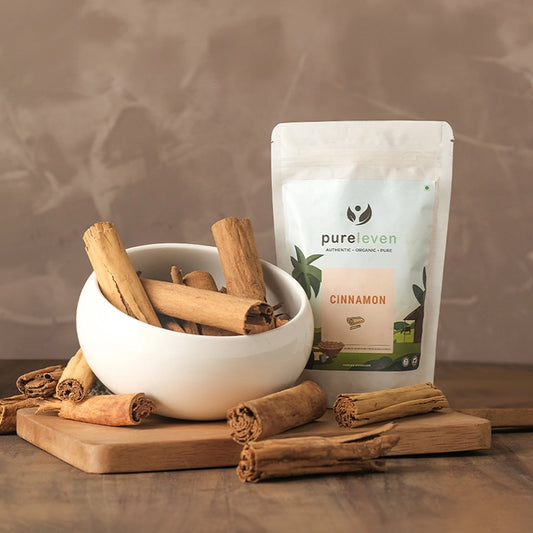 Also considerTrue Ceylon Cinnamon (Dalchini) – Whole Quills from Sri LankaRs. 250.00Rs. 190.00
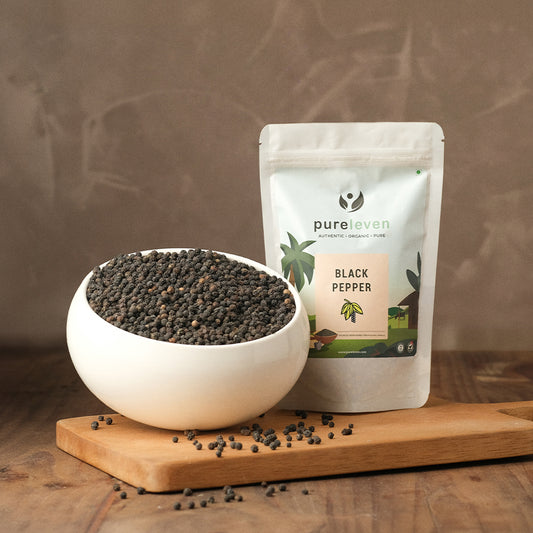 Kitchen add-onKerala Black Pepper (Kali Mirch) – Bold Whole Peppercorns from IdukkiRs. 100.00


