



Pureleven journal
Cooking & Spices
From Kerala soil to your kitchen.
Pureleven spice journal
Common Spice Adulteration in India and Simple Home Checks
Answer-first guidance with a faster path to farm-origin Kerala products you can buy today.
Quick Summary
Simple spice adulteration tests at home, based on FSSAI's DART guidance: papaya seeds in pepper, exhausted cloves, coloured jeera, chilli and turmeric powder.
Jump through the guide
Go straight to the sections that answer the buying, comparison, or sourcing question you came for.
The most common spice adulterants in India are papaya seeds or light berries in black pepper, cloves with their oil already extracted, coloured grass seeds in jeera, brick powder or sand in chilli powder, and artificial colour in turmeric. You can screen for most of these with a simple spice adulteration test at home using a glass of water, white paper and your own hands. FSSAI's DART booklet (Detect Adulteration with Rapid Test) describes several of these checks for ordinary households.
These tests won't replace a proper lab analysis. But they catch the obvious cheats, and they take a couple of minutes.
What is FSSAI's DART, and why use it?
DART is a set of quick household tests published by the Food Safety and Standards Authority of India. It covers milk, oils, sweeteners, grains and spices, using things you already have in the kitchen. You can find it on FSSAI's Eat Right India website.
We've based the spice checks below on those DART tests where they exist, and said clearly where a check is general kitchen knowledge instead.
Quick reference: spice adulteration tests at home
| Spice | Common adulterant | Home check | Sign of a problem |
|---|---|---|---|
| Black pepper | Papaya seeds, light berries | Look closely on white paper, press with finger | Smooth oval seeds, corns that crush easily |
| Cloves | Exhausted (oil removed) cloves | Drop in a glass of water | Cloves that float |
| Jeera (cumin) | Grass seeds coloured with charcoal dust | Rub between palms | Black stain on your palms |
| Red chilli powder | Brick powder, sand, soapstone | Settle in water, rub the residue | Gritty or soapy residue |
| Turmeric powder | Artificial colour | Stir into a glass of water | Strong bright yellow water |
How do you check black pepper for papaya seeds?
Dried papaya seeds look a lot like peppercorns at a glance, and they're far cheaper. Light, immature pepper berries are another common filler.
- Spread a spoonful of pepper on a sheet of white paper.
- Look closely, with a magnifying glass if you have one. Real pepper is dark and wrinkled. Papaya seeds are smoother, more oval, and greenish-brown or blackish-brown.
- Press a few corns firmly with your thumb. Good peppercorns are hard to crush. Soft ones that crumble easily are suspect.
- Taste one. Pepper should be sharp and hot. Papaya seeds taste more bitter and mustardy.
For more on judging pepper and other whole spices by look, smell and bite, see our spice quality checklist.
How do you test cloves for exhausted oil?
Clove oil is valuable, so some cloves are distilled for oil first and then dried and sold again as whole cloves. They look almost normal but have very little aroma.
- Fill a clear glass with water.
- Drop in a small handful of cloves and make sure they're fully under the water.
- Wait a minute and look. Cloves with their natural oil tend to sink or stand upright near the bottom. Exhausted cloves float on top.
A second check: press a clove head with your fingernail. A fresh clove leaves a little oil and a strong smell. An exhausted one is dry and shrivelled.
How do you check jeera for grass seeds?
Cheap grass seeds, dusted with charcoal to darken them, are sometimes mixed into cumin. The DART check is simple.
- Take a small pinch of jeera in your palm.
- Rub it firmly between both palms.
- Look at your hands. Genuine cumin leaves them clean. If your palms turn noticeably black, the seeds were coloured.
How do you check chilli powder for brick powder?
- Add a teaspoon of chilli powder to a glass of water.
- Let it settle, then take a little of the residue from the bottom.
- Rub it between your fingers. Grittiness suggests brick powder or sand. A soapy, very smooth feel suggests soapstone.
How do you check turmeric powder for artificial colour?
Stir a small amount of turmeric powder into a glass of water. Pure turmeric turns the water light yellow and settles at the bottom. If the water turns a strong, bright yellow, artificial colour may have been added. (We don't sell turmeric yet, though we plan to add it.)
What about cardamom and cinnamon?
These aren't DART tests, just practical checks. For cardamom, crush a pod: fresh pods release a strong smell straight away, while oil-depleted or very old pods smell faint and the seeds look pale and dry. If a pod leaves bright green on a damp white tissue, be wary of added colour.
For cinnamon, the common problem isn't a cheat so much as a swap. Cassia is often sold as "cinnamon". Ceylon cinnamon has thin, papery layers rolled like a cigar, while cassia is a single thick, hard bark. Our post on Ceylon vs cassia cinnamon explains the difference, including why coumarin levels matter if you use a lot.
How can you avoid adulterated spices in the first place?
- Buy whole spices, not powders. Whole spices are much harder to fake.
- Buy from sellers who can name where the spice was grown.
- Be suspicious of prices far below everyone else's.
- Test the first pack from any new seller using the checks above.
Our practical guide to buying spices online goes through the rest of what to check before you order.
At Pure Leven, our whole black pepper and Adimali cloves come from Idukki and are packed whole with nothing added. You're welcome to run every test here on them.
Frequently asked questions
Are home adulteration tests reliable?
They're good for spotting obvious adulteration like papaya seeds, exhausted cloves or added colour. They can't detect everything, such as chemical residues or small amounts of some contaminants. Treat them as a first screen, not a final verdict.
Why do cloves float in water?
Cloves that still hold their natural oil are dense and tend to sink. Cloves that have had the oil extracted are lighter and float. Floating cloves usually mean old or exhausted stock with little aroma left.
What should I do if I find adulterated spices?
Stop using them, keep the pack and bill, and take photos. Contact the seller first. For serious cases, you can raise a complaint with your local food safety authority.
Sources
Keep a glass of water handy next time a new spice arrives. Two minutes of checking is cheap insurance.
Ready to buy?
Related products for this article
Move from reading intent to shopping intent with product cards tied to this topic and a direct route into the wider catalog.
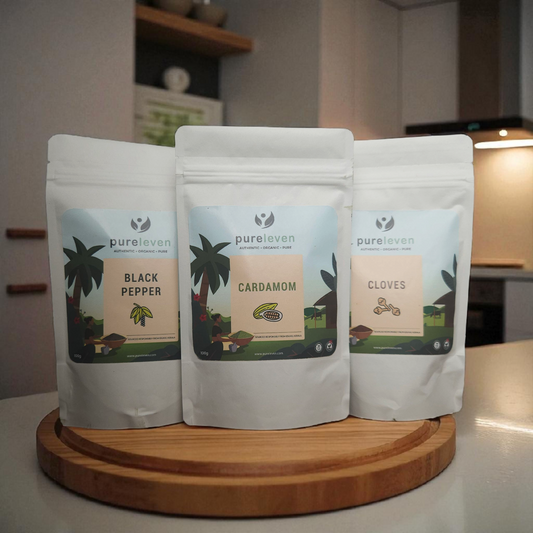 Primary pick3-in-1 Kerala Spice ComboStart with a best-selling Pureleven product picked to match the buying intent behind this article.Rs. 909.00Rs. 559.00
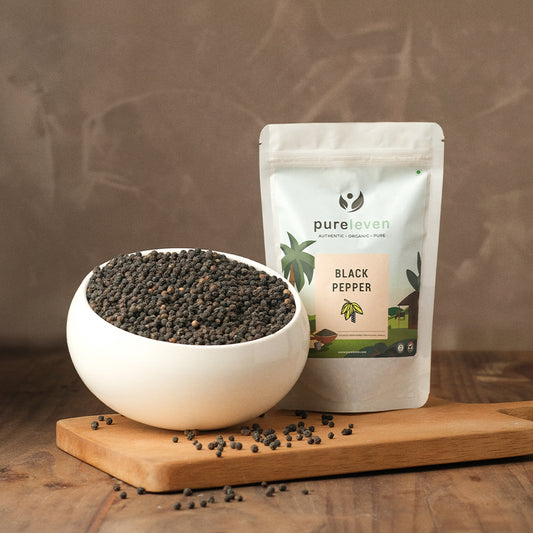 Also considerKerala Black Pepper (Kali Mirch) – Bold Whole Peppercorns from IdukkiRs. 100.00
 Kitchen add-onExtra Bold Kerala Cardamom (Elaichi) – 8mm Whole Pods from IdukkiRs. 309.00Rs. 270.00


