



Pureleven journal
Cooking & Spices
From Kerala soil to your kitchen.
Pureleven spice journal
Should You Remove Whole Spices Before Serving?
Answer-first guidance with a faster path to farm-origin Kerala products you can buy today.
Quick Summary
Which whole spices to take out before serving (bay leaf, cinnamon, star anise, cloves), which are fine to leave in, and easy tricks to find them.
Jump through the guide
Go straight to the sections that answer the buying, comparison, or sourcing question you came for.
You should remove whole spices that stay hard or sharp before serving: bay leaves, large pieces of cinnamon or cassia bark, star anise and, if you can, whole cloves. Softer or small spices such as green cardamom pods, peppercorns, cumin and mustard seeds are safe to leave in. Removing whole spices before serving is partly about safety and partly about not surprising your guests with a mouthful of clove.
In most Indian homes the spices stay in the pot, and everyone picks them out on the side of the plate. That's fine for family. For guests, children and older people, a little care goes a long way. If you're newer to cooking this way, start with our guide to cooking with whole spices.
Which whole spices should you take out?
| Spice | Take out? | Why |
|---|---|---|
| Bay leaf (tej patta) | Yes | Stays stiff after cooking; edges can scratch the throat |
| Cinnamon or cassia stick | Yes | Hard, woody, and easy to swallow by mistake |
| Star anise | Yes | Hard pointed arms; not pleasant to bite |
| Cloves (grampoo) | Ideally | Safe, but very strong and numbing if bitten |
| Black cardamom | Ideally | Large, tough husk and smoky, strong flavour |
| Green cardamom (elakka) | Optional | Softens in cooking; seeds are pleasant to eat |
| Peppercorns (kurumulak) | Optional | Small and edible, just hot when bitten |
| Cumin, mustard, fennel seeds | No | Meant to be eaten as part of the dish |
Why is a bay leaf a problem?
Bay leaves aren't poisonous. The issue is texture. Even after an hour in a curry, a dried bay leaf stays leathery with a stiff central rib. Swallowed whole, it can get stuck or scratch on the way down. Most cooks, from Indian to French kitchens, simply fish it out.
The same logic applies to cinnamon bark. Cassia in particular is thick and woody. A small shard hidden in rice is easy to miss until you bite on it.
When is it fine to leave whole spices in?
In a lot of Indian dishes, the spices are part of the look. A biryani with green cardamom pods and cloves scattered through it tells people it was made with care. Nobody expects them to be eaten, and most people move them to the edge of the plate without thinking.
Leaving them in is reasonable when:
- You're serving family who know to pick them out.
- The spices are small and soft, like cardamom and peppercorns.
- The dish will be eaten over a day or two and you want the flavour to keep building. This works for some curries, though it can make others too strong.
Take them out when you're feeding small children, anyone who has trouble swallowing, or guests who didn't grow up eating this way.
How to make removing whole spices easy
The trick is to plan it before you start, not hunt through the pot at the end.
- Count as you go in. If you add 4 cloves, 1 cinnamon stick and 2 bay leaves, note it. At the end, you know what you're looking for.
- Use bigger pieces. One 5 cm stick of cinnamon is far easier to find than three small broken bits.
- Stick cloves into something. Press cloves into a piece of onion before adding it to stock or rice. Lift out the onion, and the cloves come with it.
- Use a muslin bag. For stocks, soups and large batches, tie everything in a spice potli and pull it out in one go.
- Remove at the right time. For rice, take spices out after cooking but before fluffing. For curries, lift them out when the flavour tastes right, even if the dish still has time to go.
- Use a slotted spoon. Skim the surface of a gravy just before serving. Most hard spices float or sit near the top.
Does leaving spices in change the flavour?
Yes. Whole spices keep giving flavour for as long as they're in liquid, including in the fridge overnight. Cloves and star anise are the strongest. A pot of chicken curry that tasted balanced at dinner can taste mostly of clove by the next afternoon.
If you're making something ahead, it's safer to remove the strongest spices once the dish tastes right and leave the gentle ones.
Good spices are easier to use sparingly
Fresh, oily cloves and cardamom give more flavour per piece, so you can use fewer and have less to fish out. That's one reason we pack our Adimali cloves whole and send them out fresh from Idukki. For cinnamon, a clean, whole cassia stick is much easier to find in the pot than broken chips.
Frequently asked questions
Is it dangerous to eat a bay leaf?
Bay leaves used in cooking aren't toxic, but they stay stiff and sharp-edged even after long cooking. Swallowing one whole can cause choking or irritation, which is why cooks remove them. It's especially important for small children.
Can you eat whole cardamom pods in biryani?
Yes, green cardamom pods are edible. Most people prefer to eat the seeds and leave the fibrous husk, but swallowing the whole pod isn't harmful. Black cardamom is tougher and better set aside.
What happens if you bite a whole clove?
You'll get a sudden, intense burst of flavour and a mild numbing feeling in the mouth. It isn't harmful in the small amount found in a dish, just unpleasant for many people. Removing cloves before serving avoids the surprise.
Next time you cook with whole spices, count them in and count them out. It takes ten seconds and saves someone a nasty bite.
Ready to buy?
Related products for this article
Move from reading intent to shopping intent with product cards tied to this topic and a direct route into the wider catalog.
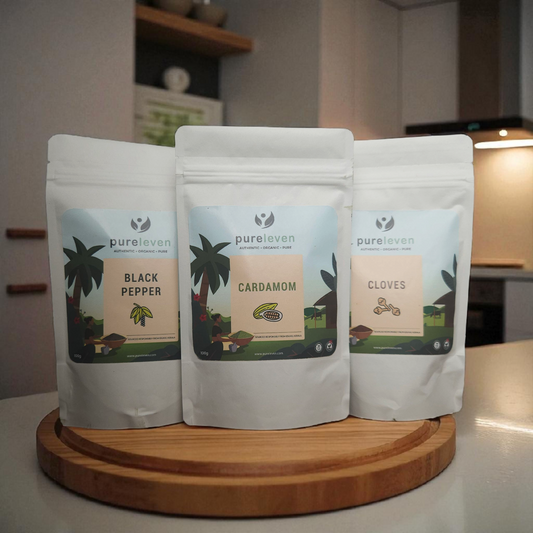 Primary pick3-in-1 Kerala Spice ComboStart with a best-selling Pureleven product picked to match the buying intent behind this article.Rs. 909.00Rs. 559.00
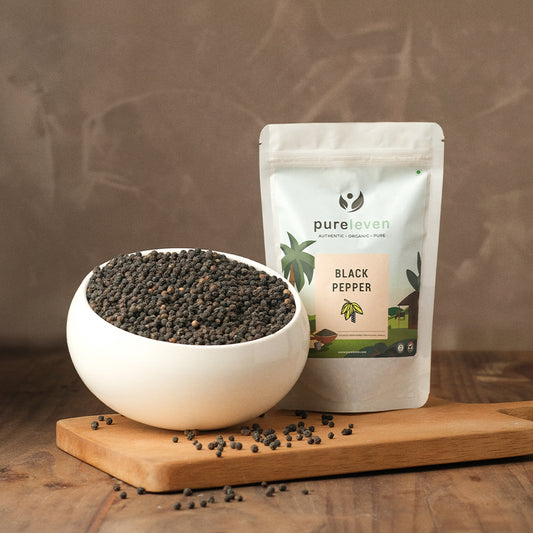 Also considerKerala Black Pepper (Kali Mirch) – Bold Whole Peppercorns from IdukkiRs. 100.00
 Kitchen add-onExtra Bold Kerala Cardamom (Elaichi) – 8mm Whole Pods from IdukkiRs. 309.00Rs. 270.00


