



Pureleven spice journal
Exploring the Rich History of Indian Spice Trade: A Journey Through Time
Answer-first guidance with a faster path to farm-origin Kerala products you can buy today.
Quick Summary
The Indian spice trade shaped global commerce because India supplied highly valued pepper, cardamom, and other aromatics through long-standing land and sea routes. That history helps explain why Kerala and the Malabar Coast still hold such strong spice identity and trade significance today.
Jump through the guide
Go straight to the sections that answer the buying, comparison, or sourcing question you came for.
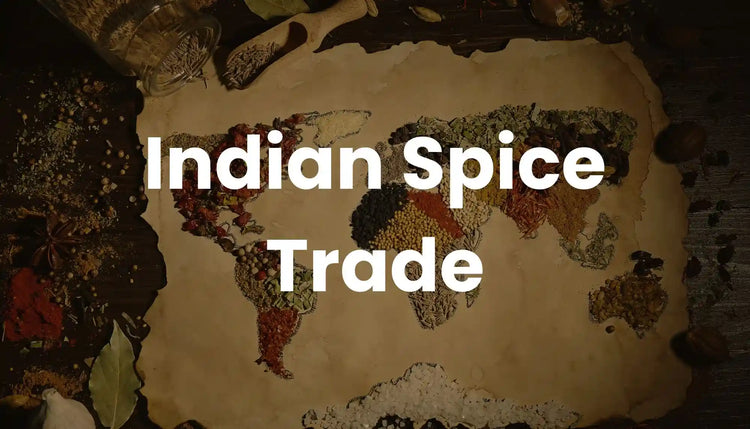
Spices have a significant role in the history of India. The flavours of rich spices have shaped the cuisine journey of india. Spices were a symbol of wealth and influencing empires and connecting the various civilizations. Indian spices have made a large impact in the economy of Indian trade. In the history of India, spices played a fundamental role. From the history book we can understand the role of spices in flourishing trade relations. Spices are the power of our rich tradition and culture. So, let’s enter the historical roots of the Indian spice trade.
Related reading
If you want to keep exploring this topic, these follow-up reads add more context without repeating the same angle.
- See how pepper varieties connect that trade history to today's kitchen use
- Continue with the global history of nutmeg as another high-value trade spice
Related products
If you want to take the topic from reading into the kitchen, these product pages are the closest match.
- Browse Kerala black pepper if you want to connect trade history with a live product example
- See a modern spice combo built around products that once drove long-distance trade
Frequently asked questions about the Indian spice trade
Why was India central to the spice trade?
India combined ideal growing regions, high-demand spices, and strong trade connections. That made it a major supplier to merchants moving goods across Asia, the Middle East, and Europe.
Why is the Malabar Coast so important in spice history?
The Malabar Coast connected spice-growing regions to maritime trade routes, making it one of the most influential gateways for pepper and other Indian spices.
Which spices helped drive early Indian trade?
Black pepper was one of the most famous, but cardamom, turmeric, ginger, and other high-value aromatics also helped shape trade demand and regional wealth.
Ready to buy?
Related products for this article
Move from reading intent to shopping intent with product cards tied to this topic and a direct route into the wider catalog.
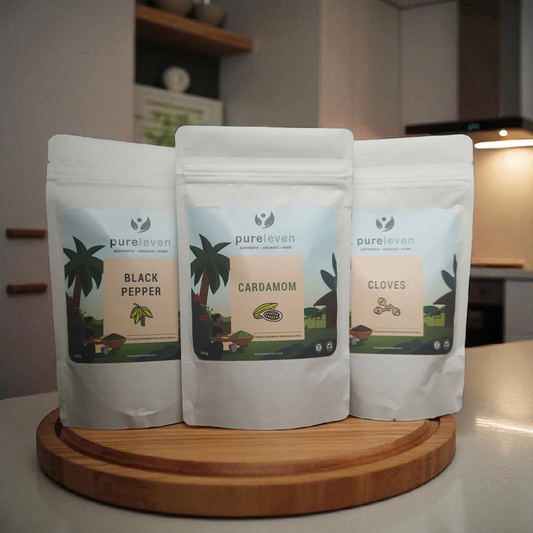 Primary pick3-in-1 Kerala Spice ComboStart with a best-selling Pureleven product picked to match the buying intent behind this article.Rs. 909.00Rs. 559.00
 Also considerKerala Black Pepper (Kali Mirch) – Bold Whole Peppercorns from IdukkiRs. 100.00
 Kitchen add-onExtra Bold Kerala Cardamom (Elaichi) – 8mm Whole Pods from IdukkiRs. 309.00Rs. 270.00


