



Pure Leven Spices & Tea journal
Cooking & Spices
From Kerala soil to your kitchen.
Daily wellness spice guide
Getting Turmeric Stains Out of Clothes and Counters
Turn informational reading into a practical kitchen buy with a shortlist built for daily Kerala-style cooking.
Quick Summary
How to remove turmeric stains from clothes, counters, plastic and hands, why soap turns them red, and why sunlight is your best helper.
On this page
To remove turmeric stains, act fast: scrape off any food, rinse the back of the fabric with cold water, work in liquid dish soap, then soak in an oxygen-based bleach solution and wash as usual. Finally, dry the item in direct sunlight, because the yellow pigment in turmeric fades in light. On counters, a paste of baking soda and water lifts most turmeric stains, followed by drying in sunlight where possible.
If you cook Indian food, turmeric stains are part of life. Manjal gets on shirts, kitchen towels, white counters, plastic boxes and the mixer jar. This is what actually shifts it.
Why are turmeric stains so hard to remove?
Turmeric's colour comes from curcumin, a strong natural pigment that binds tightly to fibres and porous surfaces. It dissolves better in oil and fat than in water, which is why a curry stain (turmeric plus oil) sets harder than a dusting of dry powder.
There's also a surprise many people meet. When soap or detergent touches a turmeric stain, it can turn red or orange-brown. Curcumin changes colour in alkaline conditions, and most soaps are alkaline. Don't panic. It's the same stain, and it usually rinses back to yellow and fades with the steps below.
How to remove turmeric stains from clothes
- Scrape off the excess. Use a spoon or blunt knife to lift any food or paste. Don't rub, which pushes it deeper.
- Rinse from the back with cold water. Hold the fabric under a cold tap, stain side down, so water pushes the colour out the way it came in. Avoid hot water at this stage.
- Work in liquid dish soap. Dish soap is made to cut grease, which helps with oily curry stains. Rub it in gently with your fingers or an old toothbrush and leave it for 10 to 15 minutes.
- Soak in oxygen bleach. For whites and colourfast fabrics, soak for an hour or longer in warm water with an oxygen-based stain remover, following the pack instructions.
- Wash as usual. Check the stain before drying. If it's still there, repeat the soak rather than putting it in a hot dryer or ironing it, which sets it.
- Dry in the sun. Hang the item in direct sunlight. Light breaks down curcumin, and many faint yellow marks vanish after a day or two outside.
Silk, wool and delicate fabrics
Skip the oxygen bleach and the scrubbing. Blot with cold water and a little mild liquid detergent meant for delicates, rinse, and dry in shade first, then briefly in sun if the fabric can take it. For expensive silks, a dry cleaner is the safer choice. Tell them it's turmeric.
What works on which surface?
| Surface | What works | What to avoid |
|---|---|---|
| Cotton and polyester clothes | Cold rinse, dish soap, oxygen bleach soak, sun drying | Hot water or a dryer before the stain is gone |
| Kitchen towels | Oxygen bleach soak, then sun drying | Leaving them damp and bunched up |
| Laminate or quartz counters | Dish soap, then baking soda paste, wipe clean | Scouring pads that scratch |
| Granite | Dish soap and warm water, baking soda paste for stubborn spots | Strong acids, which can dull some finishes |
| Marble | Mild soap and water, wiped quickly | Lemon juice and vinegar, which etch marble |
| Plastic containers and mixer jars | Baking soda paste, then a day in the sun | Storing turmeric in them in the first place |
| Wooden boards and spoons | Coarse salt with a little lemon, then rinse and dry | Soaking wood in water |
| Hands and nails | Wash with soap, then rub with a little oil and wash again | Harsh scrubbing |
How to get turmeric stains off counters
Wipe up spills as soon as you see them. On a smooth counter a fresh turmeric mark usually comes off with dish soap and warm water.
For an older stain, mix baking soda with a few drops of water into a thick paste. Spread it over the mark, leave it for 10 to 15 minutes, then scrub gently with a soft cloth and wipe clean. On a light-coloured counter near a window, the sun will often fade what's left over the next day or so.
On natural stone, test any cleaner on a hidden spot first. When in doubt, follow the care advice from whoever fitted your counter.
How to avoid turmeric stains in the first place
- Keep turmeric in a steel dabba or dark glass jar rather than plastic. Our post on storing turmeric powder explains why that also keeps the colour brighter.
- Wear gloves or oil your hands before grating fresh turmeric. We mention this in fresh turmeric vs powder for good reason.
- Use a steel or glass bowl for turmeric marinades, not plastic.
- Keep a separate, dark-coloured kitchen towel for curry days.
- Wipe the counter straight after tempering, before the oil and turmeric set.
A note from us
We don't sell turmeric yet, though we plan to add it. Our hub guide on choosing a good turmeric powder will help you pick one in the meantime. Our whole spices, like Idukki black pepper, are a lot kinder to your counters.
Frequently asked questions
Can I use chlorine bleach on turmeric stains?
Only on white cotton that is labelled safe for chlorine bleach, and only diluted as the bottle says. For most clothes, an oxygen-based stain remover is gentler and works well on turmeric.
Are old turmeric stains permanent?
Not always. Even set stains often lighten with repeated oxygen bleach soaks and several days of sun drying. Stains that have been through a hot dryer or iron are harder, but still worth trying.
Next time turmeric lands on your favourite shirt, reach for cold water first and let the sun finish the job.
Ready to buy?
Related products for this article
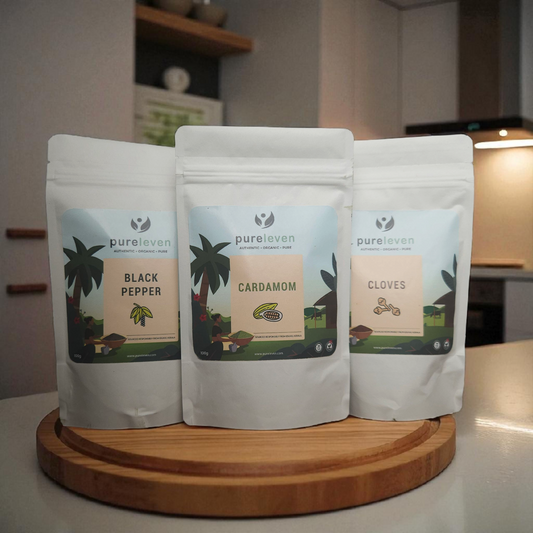 Primary pick3-in-1 Kerala Spice ComboA practical entry point for readers who want multiple Kerala staples in one order instead of one-off trial buying.₹909₹559
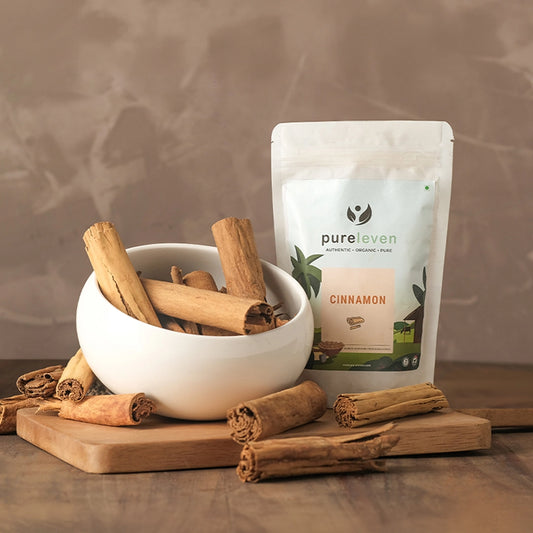 Also considerTrue Ceylon Cinnamon (Dalchini) – Whole Quills from Sri Lanka₹250₹190
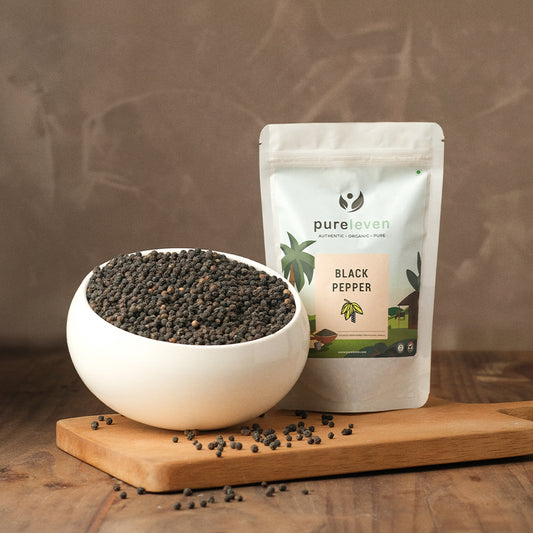 Kitchen add-onKerala Black Pepper (Kali Mirch) – Bold Whole Peppercorns from Idukki₹100
Who is behind this
Basil Thomas
Farmer and founder, Pure Leven Spices & Tea
Basil runs Pure Leven Spices & Tea from Rajakumary in Idukki, where he grew up watching his father farm black pepper, clove, coffee and tea, and later cardamom. He worked as a cyber security architect until Covid brought him home. Customers kept calling back for the farm's produce, so he carried on, and he now runs it with two staff. Farm chores were how he learned farming as a child, so he knows how to source well and set aside the lower grade.
How we write these guides


