



Pureleven journal
Cooking & Spices
From Kerala soil to your kitchen.
Everyday kitchen guide
Why Honey Crystallises and How to Make It Runny Again
This article now carries a direct path into Pureleven kitchen best sellers so reading intent can convert without friction.
Quick Summary
Why honey turns thick and grainy, why some honey sets faster than others, what it does and doesn't say about purity, and how to make it runny again without damaging it.
Jump through the guide
Go straight to the sections that answer the buying, comparison, or sourcing question you came for.
Honey crystallises because it holds more sugar than its water can keep dissolved, so over time some of the glucose separates out as tiny crystals. It's a natural change, not a sign the honey is fake or spoiled. You can make it runny again by warming the closed jar gently in warm water.
What's happening inside the jar?
Honey is mostly two sugars, fructose and glucose, with a small amount of water. There's more sugar in it than that water can normally hold, which makes honey a supersaturated solution.
Glucose is the less soluble of the two. Slowly, some of it comes out of the solution and forms small crystals. Those crystals act as seeds for more, and the honey turns cloudy, thick or grainy from the bottom up or all through the jar.
Why does some honey crystallise faster than others?
- Which flowers the bees used. The balance of glucose to fructose depends on the nectar. Honey with more glucose crystallises within weeks. Honey with more fructose can stay liquid for a long time. That's why honey from different seasons and places behaves differently.
- Temperature. Crystals form fastest in cool conditions, around 13 to 17°C. A cold room in winter or a fridge speeds it up. Warm Indian kitchens slow it down.
- Tiny particles. Bits of pollen and wax give crystals something to form around, so less-filtered honey often sets sooner.
- Stirring and shaking. Disturbing the jar encourages crystals to start.
- Processing. Heavily heated and finely filtered honey tends to stay liquid longer. If you want to understand that difference, see our post on raw vs processed honey.
Does crystallised honey mean it's pure?
Not on its own. Crystallising doesn't prove honey is pure, and staying runny doesn't prove it's adulterated. It's one clue, and it depends heavily on the flowers and temperature.
Our honey purity test guide explains the common home checks and their limits. None of them is fully reliable, so buying from a seller who can tell you where the honey came from still matters most.
Is crystallised honey safe to eat?
Yes. It's the same honey in a different texture, with the same taste and the same shelf life. Many people prefer it on toast or chapati because it doesn't drip.
One general reminder that applies to all honey, runny or set: don't give honey to babies under 12 months old.
How to make crystallised honey runny again
- Close the lid tightly.
- Stand the jar in a bowl of warm water, about as hot as you'd comfortably keep your hand in (roughly 40 to 45°C). Not boiling water.
- Leave it for 15 to 30 minutes, taking it out to stir with a dry spoon now and then.
- Replace the warm water if it cools and repeat until the crystals dissolve. A large, fully set jar can take a few rounds.
If your honey is in a plastic bottle, spoon what you need into a small glass bowl and warm that instead.
Common mistakes when softening honey
- Using the microwave. It heats unevenly, with hot spots that can scorch parts of the honey.
- Heating on the stove. Direct heat can darken honey and change its flavour.
- Letting water into the jar. Even a little extra water can make honey ferment and turn sour.
- Warming the whole jar every day. Repeated heating slowly dulls the taste. Warm only what you need, or leave it set and spread it.
How to slow crystallisation down
- Store honey at room temperature, not in the fridge.
- Keep the lid tightly closed so it doesn't absorb moisture.
- Use a clean, dry spoon every time.
- Avoid shaking or stirring the jar when you don't need to.
Even with all this, many honeys will set eventually. That's normal.
Our Naadan honey can also thicken over time, especially in cooler months. If it does, the warm-water method above brings it back.
Sources
Ready to buy?
Related products for this article
Move from reading intent to shopping intent with product cards tied to this topic and a direct route into the wider catalog.
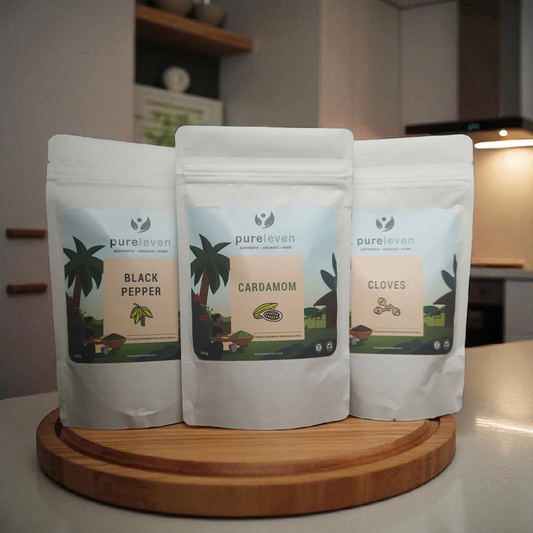 Primary pick3-in-1 Kerala Spice ComboPair this guide with Pureleven best sellers for everyday kitchen buying, gifting, and repeat kitchen use.Rs. 909.00Rs. 559.00
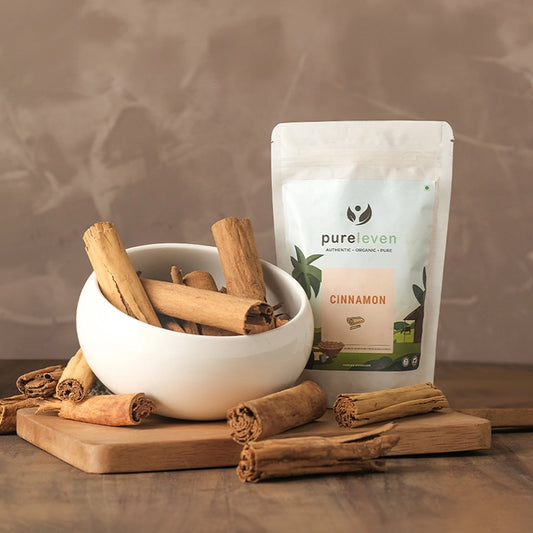 Also considerTrue Ceylon Cinnamon (Dalchini) – Whole Quills from Sri LankaRs. 250.00Rs. 190.00
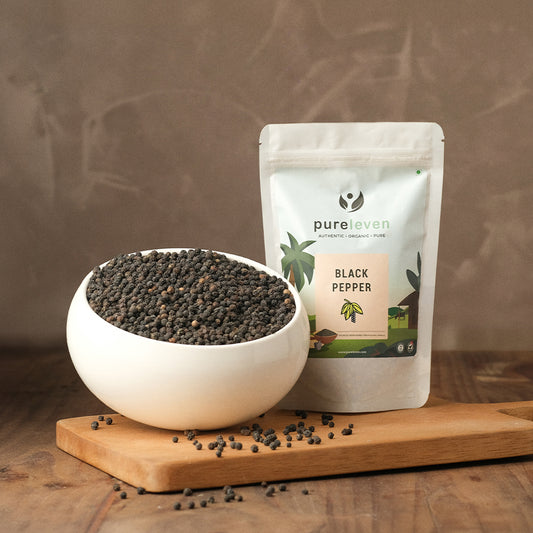 Kitchen add-onKerala Black Pepper (Kali Mirch) – Bold Whole Peppercorns from IdukkiRs. 100.00


