Everyday pantry guide
Is Your Honey Pure? The Ultimate Honey Purity Test Guide
Use this article as the top of the funnel, then move into current Pureleven pantry best sellers without losing buying momentum.
Quick Summary
Pure honey is best identified through trusted sourcing, clean labeling, natural crystallization patterns, and reliable testing. Home checks can help spot obvious issues, but they work best as a first filter alongside beekeeper transparency and strong quality standards.
Jump through the guide
Go straight to the sections that answer the buying, comparison, or sourcing question you came for.
Related reading
If you want to keep exploring this topic, these follow-up reads add more context without repeating the same angle.
- Pair purity checks with a broader look at how organic honey fits into daily use
- Compare honey with sugar once you understand purity and sourcing basics
Frequently asked questions about honey purity
How can I check honey purity at home?
Home tests can help you notice moisture issues, texture problems, or unusual behavior, but they cannot guarantee purity on their own. Use them as a basic screening step and pair them with trusted sourcing and clear labeling.
Does crystallized honey mean the honey is fake?
No. Crystallization is normal for many genuine honeys and depends on floral source, storage temperature, and natural sugar balance. It is not automatic proof of adulteration.
What is the safest way to buy pure honey?
Buy from producers who clearly explain sourcing, harvest methods, filtration, and testing. Traceable origin and transparent production practices are stronger trust signals than quick home tests alone.
Ready to buy?
Related products for this article
Move from reading intent to shopping intent with product cards tied to this topic and a direct route into the wider catalog.
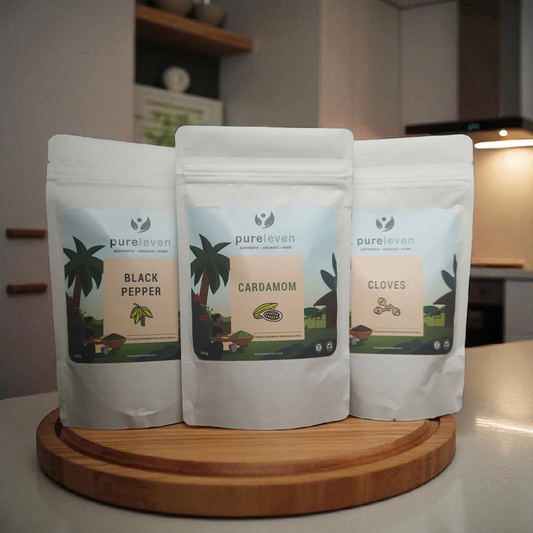 Primary pick3-in-1 Kerala Spice ComboThis route keeps non-spice articles commercially useful by pointing readers to the strongest live Pureleven pantry products.Rs. 909.00Rs. 559.00
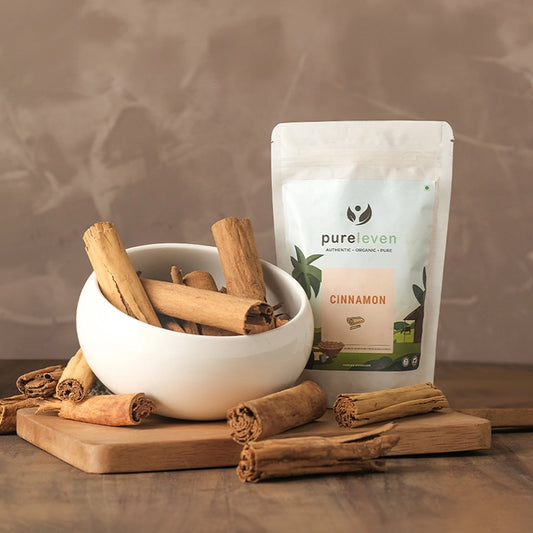 Also considerTrue Ceylon Cinnamon Whole SticksRs. 250.00Rs. 190.00
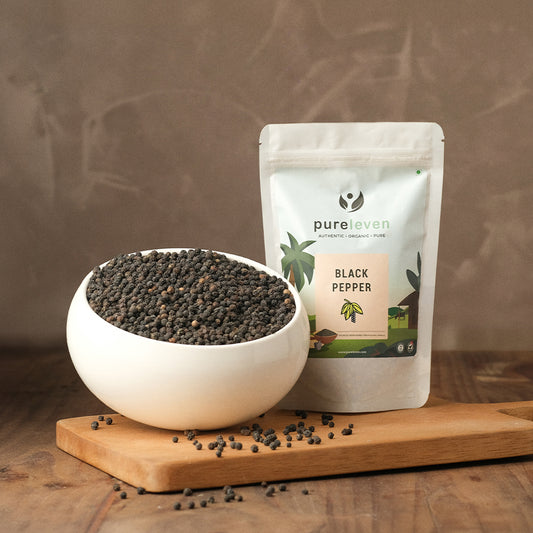 Kitchen add-onKerala Black Pepper Whole PeppercornsRs. 450.00Rs. 100.00
Suggested reads
Keep exploring this topic
Move from this guide into adjacent reads from the same journal, then jump back into the catalog when you are ready to buy.

The Sweet Truth: Honey vs Sugar – Which Wins i...
Honey and sugar both sweeten food, but they differ in flavor, processing, and kitchen behavior. Honey adds aroma and character, while sugar provides neutral sweetness and consistency. The better option...
The Sweet Truth: Honey vs Sugar – Which Wins i...
Honey and sugar both sweeten food, but they differ in flavor, processing, and kitchen behavior. Honey adds aroma and character, while sugar provides neutral sweetness and consistency. The better option...

Did You Know? Honey Benefits for Skin Can Trans...
Honey is often used in skincare because it can help with moisture, softness, and gentle surface care in simple home routines. Its popularity comes from how easily it fits into...
Did You Know? Honey Benefits for Skin Can Trans...
Honey is often used in skincare because it can help with moisture, softness, and gentle surface care in simple home routines. Its popularity comes from how easily it fits into...