



Pureleven journal
Cooking & Spices
From Kerala soil to your kitchen.
Kerala clove guide
Spent Cloves: How to Spot Cloves With the Oil Removed
Use the article as your buying bridge from clove education to stronger aroma and better pack selection.
Quick Summary
Spent cloves have had their oil distilled out. FSSAI's water test, plus a few look-and-press checks, helps you spot them at home.
Jump through the guide
Go straight to the sections that answer the buying, comparison, or sourcing question you came for.
The quickest way to identify fake cloves, meaning cloves that have had their oil extracted, is FSSAI's water test: drop a few into a glass of water, and good cloves sink while exhausted cloves float. Spent cloves also look shrivelled and pale, often have broken heads, and leave no oil when you press them with a fingernail. Put those checks together and you'll catch most bad lots at home.
What are spent cloves?
A clove (grampoo in Malayalam, laung in Hindi) is a dried flower bud. Most of its smell and bite comes from its essential oil, which is mainly eugenol. Clove oil is valuable in its own right, so cloves are sometimes distilled for oil and the leftover buds sold on.
Those leftover buds are called spent or exhausted cloves. They look similar in a pack but carry very little flavour. They can be sold cheaply on their own or mixed into good cloves to stretch a lot. The American Spice Trade Association lists spent material from oil and oleoresin extraction as a known form of spice adulteration.
The FSSAI water test, step by step
FSSAI's DART guide (Detect Adulteration with Rapid Test) includes a simple check for exhausted cloves.
- Fill a clear glass with plain water at room temperature.
- Drop in 10 to 15 cloves from the pack.
- Give them a minute to settle.
- Look at where they end up. Genuine cloves, still holding their oil, sink. Cloves with the oil removed are lighter and float on the surface.
If only one or two out of fifteen float, don't panic. A few odd buds happen in any natural product. If most of them float, that lot is probably spent or badly degraded.
Fresh cloves vs spent cloves
| Check | Good cloves | Spent cloves |
|---|---|---|
| Water test | Most sink | Most float |
| Shape | Plump stem, round head intact | Shrivelled, wrinkled, heads often missing |
| Colour | Rich reddish brown to dark brown | Pale, dull or greyish brown |
| Fingernail press | Leaves a trace of oil, strong smell | Dry, little smell |
| Taste | Hot and numbing on the tongue | Woody, weak |
What else should you look for in a pack of cloves?
Headless cloves
The round head of the clove holds much of its aroma. Some headless cloves are normal, because heads break off in handling. FSSAI's standard allows up to 2 percent headless cloves in whole cloves. A pack full of bare stems means you're paying clove prices for less clove.
Khoker cloves
These are cloves that weren't dried properly. They look pale and wrinkly and have a weaker smell. FSSAI caps them at 2 percent too. They aren't spent, but they cook the same way: flat.
Stems and dust
Loose clove stems and powder at the bottom of the pack suggest rough handling or cheap sorting. They add weight without adding much taste.
Is the water test the final word?
It's a good first check, not a lab result. A lab can measure how much volatile oil a sample holds, which is the only way to put a number on it. What the water test does well is catch lots where most of the oil has clearly gone. Use it together with the look, press and taste checks above and you'll be right most of the time.
The same logic applies to cardamom, which is sold in spent form too. We covered that in our post on spotting exhausted cardamom pods. For the bigger picture of species, origin and processing, see our guide to what makes a spice authentic.
Where our cloves come from
Our cloves come from around Adimali, in Idukki, not far from us in Rajakumari. They're packed whole with nothing added and nothing removed, and you're welcome to put them through the water test the day they arrive. You'll find them as Adimali cloves, whole.
Cloves are traditionally used in Indian homes for more than cooking. If you're curious about that side, our post on clove uses and benefits covers it, and it's always worth checking with a doctor before using any spice as a remedy.
Frequently asked questions
Why do some of my cloves float?
A few floating cloves in a large sample is normal, since some buds are lighter or broken. If most of the sample floats, the cloves have probably lost much of their oil, either through extraction or long, poor storage.
Are spent cloves unsafe to eat?
Spent cloves are mainly a cheat on flavour and value, not usually a safety risk in themselves. The concern is paying full price for a spice that does very little in your food. Buying whole cloves from a known source avoids most of this.
Are headless cloves bad?
A small share of headless cloves is normal and allowed by FSSAI's standard (up to 2 percent). A pack with lots of bare stems gives you less aroma for your money.
Grab a glass of water and try it on the cloves already in your kitchen. It's the easiest spice test there is.
Sources
Ready to buy?
Related products for this article
Move from reading intent to shopping intent with product cards tied to this topic and a direct route into the wider catalog.
 Primary pickKerala Adimali Clove Whole BudsKerala cloves selected for richer aroma, kitchen usefulness, and better value than commodity-grade alternatives.Rs. 200.00Rs. 140.00
Also considerKerala Adimali Clove Whole BudsRs. 200.00Rs. 140.00
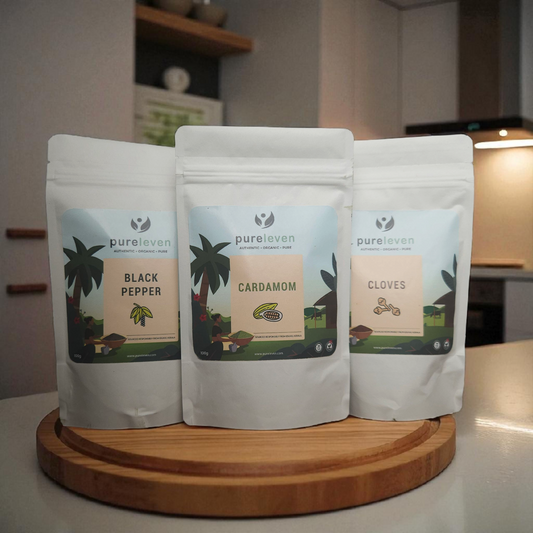 Kitchen add-on3-in-1 Kerala Spice ComboRs. 909.00Rs. 559.00


