



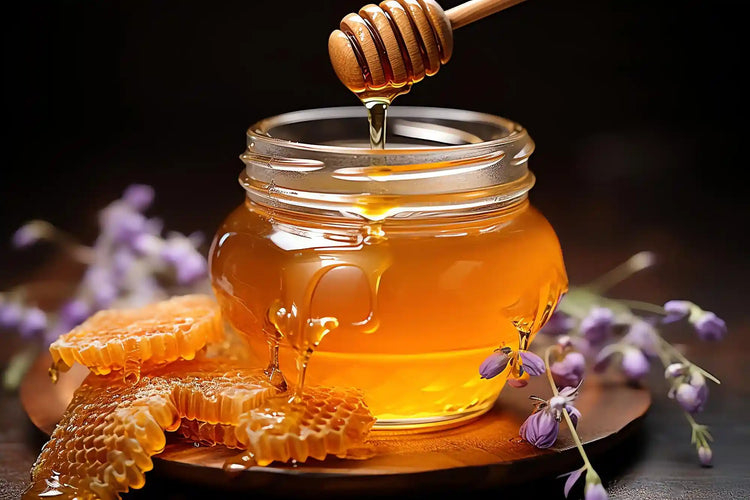
Everyday pantry guide
Honey Health Benefits: What's Real and What's Hype
Use this article as the top of the funnel, then move into current Pureleven pantry best sellers without losing buying momentum.
Quick Summary
Organic honey is valued for clean sourcing, minimal chemical exposure, and the natural sweetness it brings to food and daily routines. Buyers usually look beyond taste alone and consider origin, processing, purity, and how the honey fits into balanced everyday use.
Jump through the guide
Go straight to the sections that answer the buying, comparison, or sourcing question you came for.
Honey has been used as food and home remedy for thousands of years, and it still has a place in most Kerala kitchens. But online, its benefits are often exaggerated. Here's a balanced look.
What honey is
Honey is made by bees from flower nectar. It's mostly natural sugars (fructose and glucose) with a little water, plus small amounts of enzymes, minerals, antioxidants such as polyphenols, and pollen. Its colour, flavour and thickness depend on the flowers the bees visited.
Benefits with reasonable support
Soothing coughs and sore throats
Honey is one of the better-supported home remedies for cough symptoms in adults and children over one year old. A spoonful on its own or in warm water can ease a scratchy throat.
Antioxidants
Honey contains antioxidant compounds, and darker honeys tend to contain more. That's a genuine difference from white sugar, though the amounts in a spoonful are modest.
Antibacterial properties
Honey is acidic and low in water, which makes it hard for bacteria to grow. Special medical-grade honey is used in some wound dressings under medical supervision. That is not a reason to put kitchen honey on wounds or burns; see a doctor for those.
Claims that go too far
- "Honey has no side effects." It's still mostly sugar. It raises blood sugar and adds calories, about 60 per tablespoon.
- "Honey cures digestive problems." There's no good evidence for that.
- "Honey prevents long-term disease." Not supported by strong evidence.
Who should be careful
- Babies under 1 year old must never be given honey, because of the risk of infant botulism.
- People with diabetes should count honey as sugar and talk to their doctor.
- People with pollen or bee-product allergies should be cautious.
What about organic honey?
In India, honey sold as "organic" should be certified under NPOP or PGS-India. Organic certification is about how the honey is produced, not proof of extra health benefits. Our own honey is not certified organic.
Using honey day to day
- Stir into warm (not boiling) tea or water.
- Drizzle on fruit, curd or toast.
- Use in place of some sugar in drinks and desserts, in moderation.
Related reading
Try our Naadan pure honey.
General information, not medical advice.
Ready to buy?
Related products for this article
Move from reading intent to shopping intent with product cards tied to this topic and a direct route into the wider catalog.
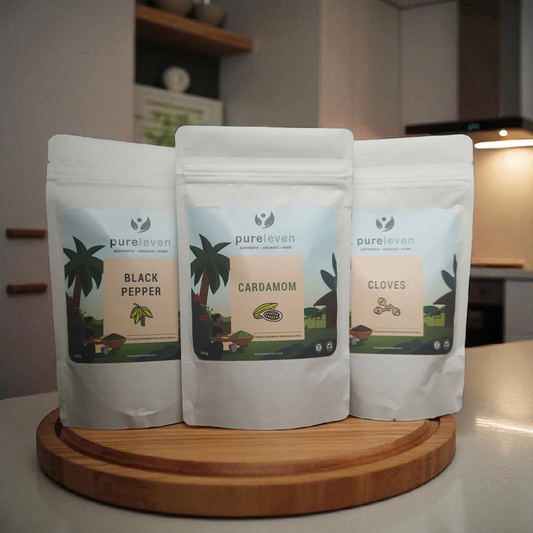 Primary pick3-in-1 Kerala Spice ComboThis route keeps non-spice articles commercially useful by pointing readers to the strongest live Pureleven pantry products.Rs. 909.00Rs. 559.00
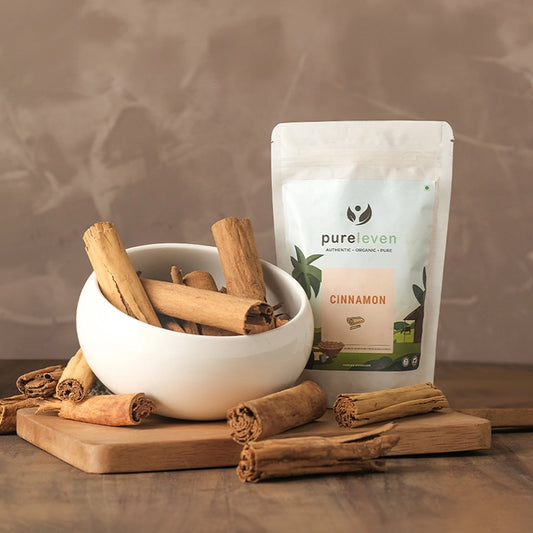 Also considerTrue Ceylon Cinnamon (Dalchini) – Whole Quills from Sri LankaRs. 250.00Rs. 190.00
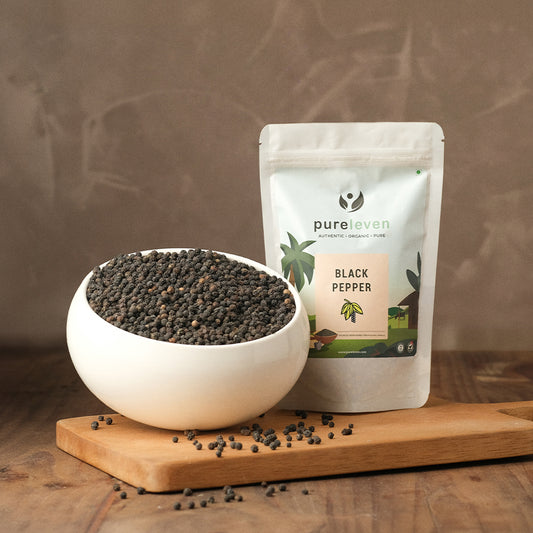 Kitchen add-onKerala Black Pepper (Kali Mirch) – Bold Whole Peppercorns from IdukkiRs. 100.00


