



Pureleven journal
Cooking & Spices
From Kerala soil to your kitchen.
Cinnamon buying guide
Ceylon Cinnamon Grades: Alba, Continental, Mexican and Hamburg
Compare daily-use cinnamon options and move directly into a product shortlist without leaving the article cold.
Quick Summary
Ceylon cinnamon grades explained: Alba, C5, C4, M5 and H1 by quill diameter under Sri Lanka's SLS 81, and which grade suits which kind of cooking.
Jump through the guide
Go straight to the sections that answer the buying, comparison, or sourcing question you came for.
Ceylon cinnamon grades are set mainly by the thickness (diameter) of the quill. Under Sri Lanka's standard SLS 81, the thinnest quills are graded Alba (no more than 6 mm across), then come the Continental grades (C5 Extra Special down to C3), the Mexican grades (M5 Special to M4) and finally the thickest Hamburg grades (H1 to H3, up to 38 mm). Thinner usually means more layers, more hand work and a higher price, not a different spice.
If you've seen "Alba" or "C5" on a cinnamon listing and wondered if it actually matters, this is the plain version.
Who decides Ceylon cinnamon grades?
The grades come from the Sri Lanka Standards Institution. Its standard for Ceylon cinnamon, SLS 81 (the current revision is from 2021), lists each grade with a maximum diameter, a minimum number of whole quills per kilo and a limit on "foxing", the brownish patches that appear on the bark.
The group names are old trade names. Continental, Mexican and Hamburg refer to the markets that historically bought those styles, and the names stuck even though the cinnamon now goes everywhere.
The main Ceylon cinnamon grades at a glance
These are the diameter limits given in SLS 81:2021. Quills are measured across the stick, and each grade allows anything up to its limit.
| Group | Grade | Max diameter | Foxing allowed |
|---|---|---|---|
| Alba | Alba | 6 mm | Up to 10% |
| Continental | C5 Extra Special | 8 mm | Up to 10% |
| Continental | C5 Special | 10 mm | Up to 10% |
| Continental | C5 | 12 mm | Up to 5% |
| Continental | C4 | 16 mm | Up to 15% |
| Continental | C3 | 18 mm | Up to 20% |
| Mexican | M5 Special | 16 mm | Up to 60% |
| Mexican | M5 | 18 mm | Up to 60% |
| Mexican | M4 | 21 mm | Up to 60% |
| Hamburg | H1 | 23 mm | Up to 25% |
| Hamburg | H2 Special | 25 mm | Up to 40% |
| Hamburg | H2 | 32 mm | Up to 55% |
| Hamburg | H3 | 38 mm | Up to 65% |
You'll notice the Mexican grades overlap with Continental on diameter. What separates them is mostly appearance: Mexican grades are allowed far more foxing, and they tend to be a little coarser.
What does each group mean in your kitchen?
Alba
The thinnest quills, about pencil thickness or less. They are made from the youngest, most tender bark, rolled in many fine layers. Alba is the slowest grade for a peeler to make, which is why it costs the most. The flavour is delicate and sweet.
Continental (C grades)
This is the everyday premium range. C5 and C4 quills are thin, tightly rolled and fairly even in colour. The number goes down as the quill gets thicker, so C5 is finer than C4, and C4 is finer than C3. For tea, desserts and baking these are lovely to work with.
Mexican (M grades)
Similar thickness to the middle Continental grades but with more foxing and a less polished look. The name comes from Mexico, which has long been a big buyer of Ceylon cinnamon. In cooking, the difference from a C grade is small.
Hamburg (H grades)
The thickest, coarsest quills, from older bark. They are still true Ceylon cinnamon, just less refined. Hamburg grades are fine for long-cooked dishes, grinding and infusing.
Is a higher grade always better?
Not for every use. A higher grade tells you about the quill's thickness and look, and the skill that went into rolling it. It doesn't mean a Hamburg quill is a different or lesser species.
A rough guide to matching grade to use:
- Tea, drinks and garnish: thin quills (Alba or C5) look good and steep evenly.
- Payasam, kheer, custards and cakes: any C grade works well.
- Biryani, pulao and curries: C4, M or H grades are perfectly good, since you'll fish the stick out anyway.
- Grinding into powder: thicker grades and quillings (broken pieces) give the same flavour for less money.
It's a bit like cardamom, where pod size drives price more than taste. We explain that side in our Kerala cardamom grades guide.
What about quillings, featherings and chips?
Not everything becomes a neat 42-inch quill. SLS 81 also covers the pieces:
- Quillings are broken pieces and splits of peeled inner bark, shorter than a full quill.
- Featherings are small bits of inner bark from peeling and scraping.
- Chips are dried bark from stems and branches that can't be peeled properly.
These mostly go into grinding and oil extraction. Cheap "Ceylon cinnamon powder" is often made from them, which isn't wrong, but it is worth knowing.
How to use grade labels when buying
A grade name on a listing is only useful if the seller can back it up. Ask what the diameter is, or look at a photo with something for scale. A pack labelled Alba should be very thin. If the sticks look as thick as your finger, the label is wrong.
For the full buying checklist, including how to tell Ceylon from cassia, see our guide to buying Ceylon cinnamon online.
What we sell
We keep things simple. Our True Ceylon Cinnamon sticks are whole quills, packed with nothing added, and chosen for kitchen use rather than for show. If you want to know more about a particular batch, just ask us on WhatsApp and we'll tell you what we know.
Frequently asked questions
Is C5 better than C4 cinnamon?
C5 quills are thinner (up to 12 mm) than C4 (up to 16 mm), so C5 is the finer grade. In most home cooking the flavour difference is small. C5 simply looks neater and has more layers.
Are Hamburg grades still real Ceylon cinnamon?
Yes. H1, H2 and H3 are thicker, coarser quills, but they come from the same Cinnamomum verum tree. They're a sensible choice for grinding and long cooking.
Does grade affect coumarin?
Grade is about the quill's size and appearance, not its chemistry. All genuine Ceylon cinnamon grades are low in coumarin compared with cassia, though exact levels vary from sample to sample.
Next time you see a grade name on a pack, check the thickness against the table above. It takes ten seconds.
Sources
Ready to buy?
Related products for this article
Move from reading intent to shopping intent with product cards tied to this topic and a direct route into the wider catalog.
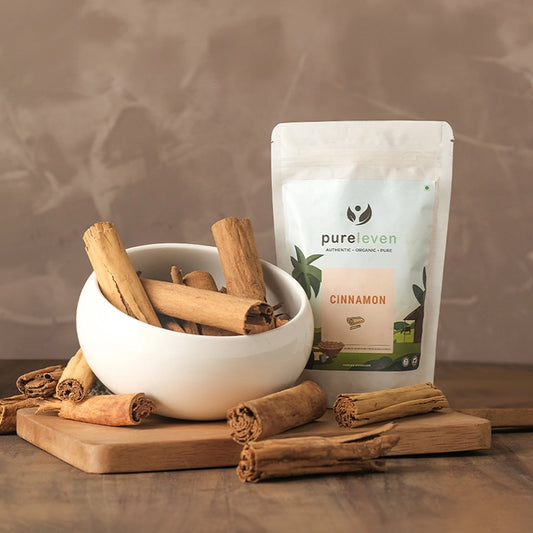 Primary pickTrue Ceylon Cinnamon (Dalchini) – Whole Quills from Sri LankaChoose between lighter Ceylon character and fuller cassia warmth with a cleaner conversion path.Rs. 250.00Rs. 190.00
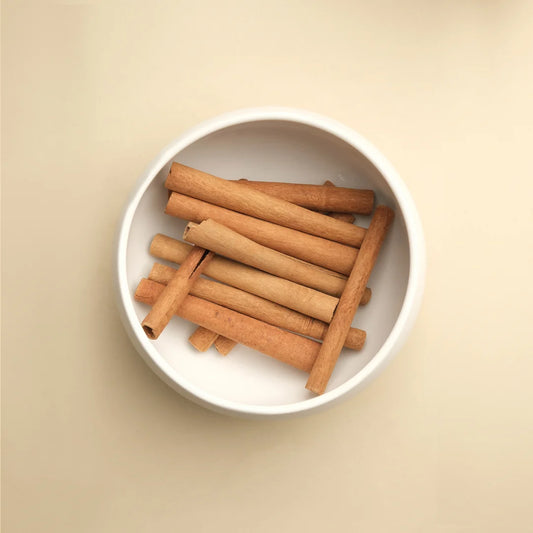 Also considerPremium Cassia Cinnamon Whole SticksRs. 159.50Rs. 120.00
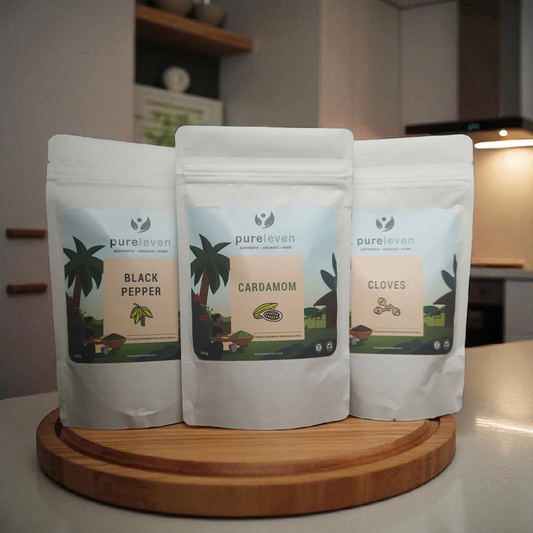 Kitchen add-on3-in-1 Kerala Spice ComboRs. 909.00Rs. 559.00


