Pureleven journal
Cooking & Spices
From Kerala soil to your kitchen.
Cassia cinnamon guide
Cassia in Meat Curries and Slow Cooking
The fuller, warmer cinnamon used in chai, masala and meat curries.
Quick Summary
How to use cassia in meat curries, biryani and slow-cooked dishes: how much to add, when, and how to avoid a bitter, woody curry.
Jump through the guide
Go straight to the sections that answer the buying, comparison, or sourcing question you came for.
Cassia works best in meat curries and long cooking. Its strong, hot cinnamon flavour holds through hours of simmering and against onions, chilli and fat, where gentler Ceylon fades. Use a 3 to 5 cm piece per kilo of meat, add it whole to hot oil or ghee at the start, and take it out before serving.
That's how most Indian and Kerala meat dishes use dalchini. Below is how to get more from it and how to avoid the woody, bitter edge it gets when overdone.
Why cassia suits meat and slow cooking
Cassia is thick, hard bark. It gives up flavour slowly, which is a drawback in a quick dish and a help in a slow one. Over a long simmer it keeps releasing warmth instead of fading.
Meat dishes carry plenty of fat, and cinnamon's aroma dissolves well in fat. Frying cassia in ghee or coconut oil at the start spreads its flavour through the pot. Its slight bitterness also balances rich cuts like mutton, beef and duck. If you want the basics on dalchini first, see our cassia cinnamon guide.
Three ways to use it
Whole, in the tadka
The common method. Heat oil or ghee, add a piece of cassia with cloves, cardamom and bay leaf, and let them sizzle 20 to 30 seconds until fragrant. Then add onions. The cassia stays in through the cook.
Ground, in the masala
Many meat masalas grind cassia with coriander, pepper, cloves and fennel, which spreads a rounder flavour through the gravy. It's part of most garam masala blends. Add ground spice after the onions and tomatoes and cook it a minute or two so it doesn't taste raw.
Both
Kerala and Mughlai curries often use whole cassia in the oil and a little more in the ground masala. The piece gives aroma and the powder gives body. If you do both, cut each amount by about a third.
How much for different dishes
| Dish (about 1 kg meat) | Whole cassia | When to add | Notes |
|---|---|---|---|
| Kerala chicken curry | 3 to 4 cm | In the oil at the start | With grampoo (cloves), elakka and fennel |
| Mutton curry or stew | 4 to 5 cm | In the oil at the start | Handles long simmering well |
| Beef fry or roast | 3 to 5 cm, often ground | In the masala, some whole | Pairs strongly with black pepper |
| Biryani | 5 cm split between meat and rice | In the meat masala and rice water | Take it out of the rice before layering if you like |
| Korma or rich gravy | 2 to 3 cm | In ghee at the start | Use less, the gravy is delicate |
| Duck roast | 4 cm | In the masala | Cuts through the richness |
These are starting points. A strong batch of cassia needs less. A mild or older one may need a little more.
Pressure cooker, open pot and dum
Pressure cooker
Pressure pulls out flavour fast, cassia's bitterness included. Use about two-thirds of the piece you'd use in an open pot.
Long open simmering
For stews and curries cooking over an hour, add the full piece at the start. If the curry smells strongly of cinnamon halfway, fish the stick out.
Dum and biryani
A sealed pot traps aroma. Cassia fried in ghee with the meat and a small piece in the rice water is plenty. More on top tends to bury the saffron and cardamom.
Sticks or bark pieces?
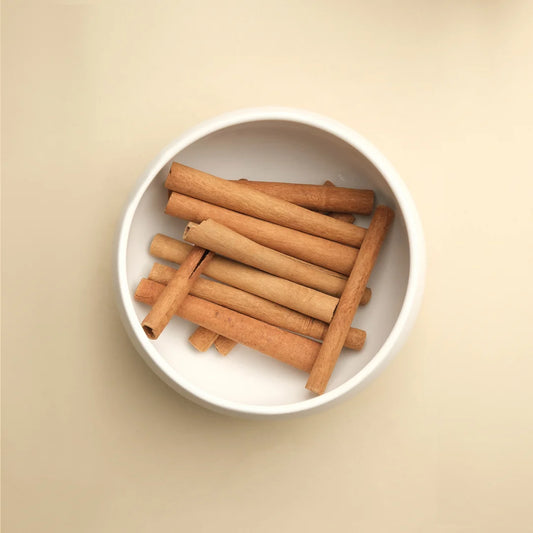
Either works. Sticks are easy to measure and remove, and pieces are handy when you're grinding a masala. Our post on cassia bark pieces vs sticks compares them.
Common mistakes
- Burning it in the tadka. Cassia burns quickly in very hot oil and turns bitter. Add the onions as soon as it smells fragrant.
- Too big a piece. A curry that tastes like dessert, or woody, has too much.
- Leaving it in the serving bowl. Nobody wants to bite a hard stick. Lift it out or warn the table.
- Old powder. Ground cassia fades fast. Grind small amounts fresh for meat masalas.
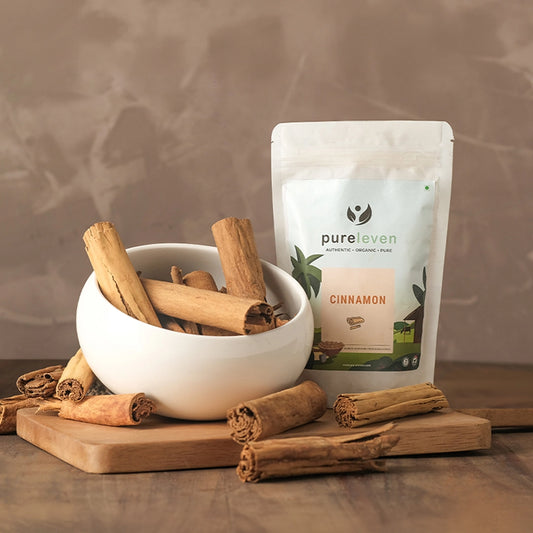
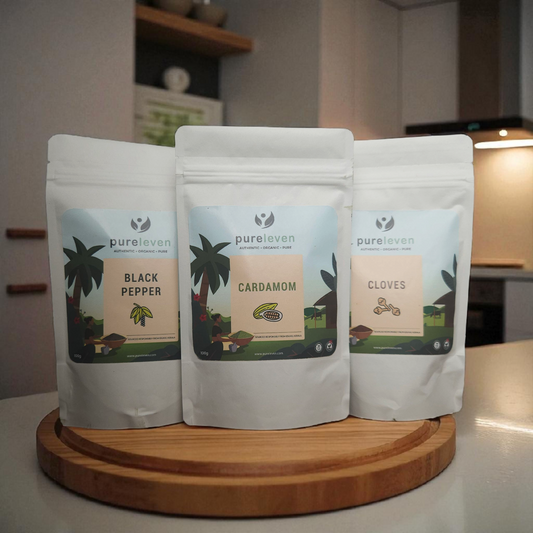
A good meat curry needs more than cassia. We pack cassia cinnamon sticks whole, and Adimali cloves from Idukki. With black pepper and green cardamom, that's the whole-spice base of most Kerala meat dishes. Everything is packed whole with nothing added.
Start with the amounts above and taste near the end. Write down what worked for your family.
Ready to buy?
Related products for this article
Move from reading intent to shopping intent with product cards tied to this topic and a direct route into the wider catalog.