


Gentler cinnamon profile
Ceylon has a lighter aroma than cassia, which helps buyers choose the right cinnamon for their recipe.
Shop by category

Papery-thin and delicately sweet, true Ceylon cinnamon from Sri Lanka is the gold standard for baking, golden milk, and anywhere you want subtle warmth without coumarin.
Couldn't load pickup availability
In stock
Answer-first guide
True Ceylon cinnamon with a lighter, sweeter, and more delicate profile than cassia, suited to tea, desserts, and refined everyday use.
Choose this when you want a gentler cinnamon expression rather than a bold cassia note.
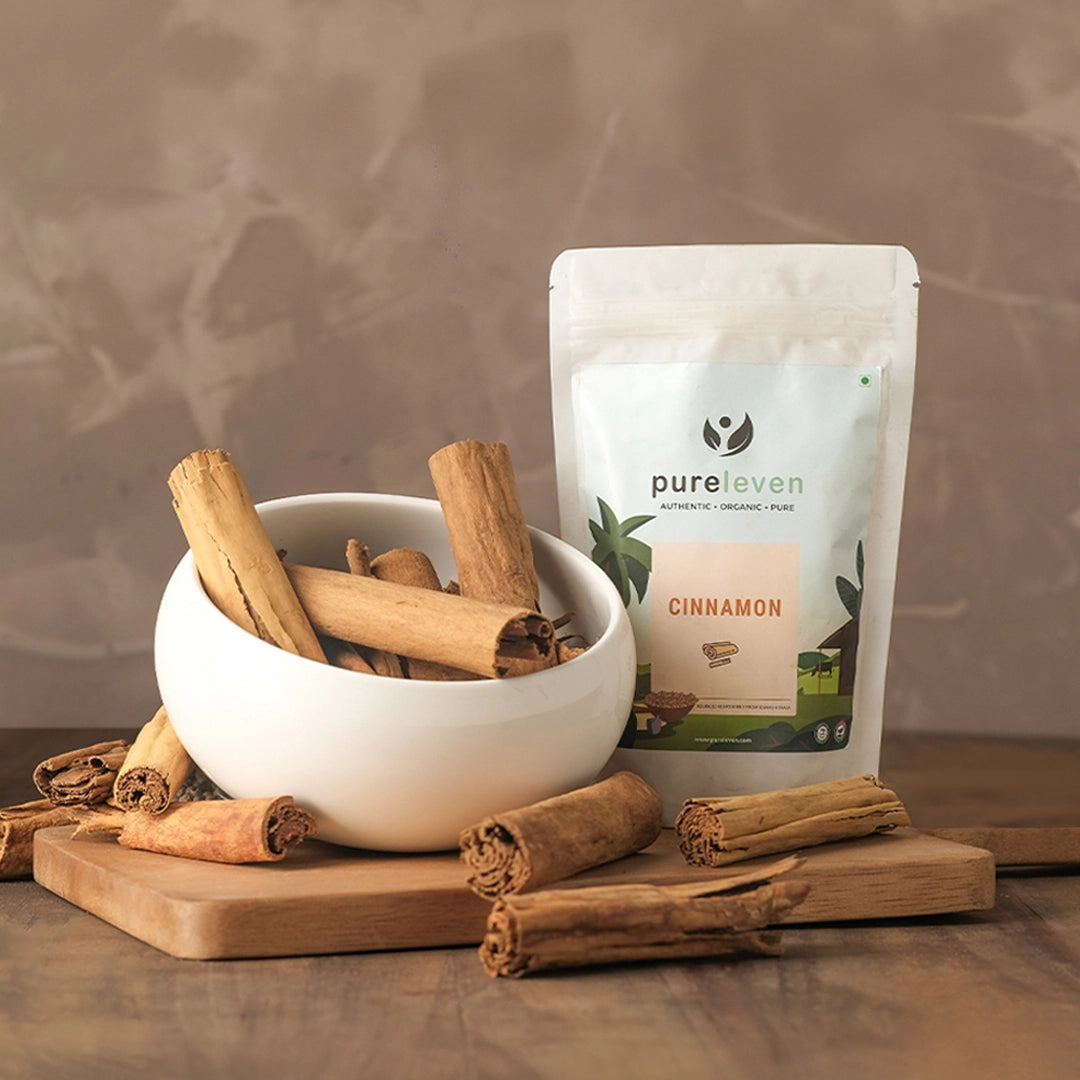
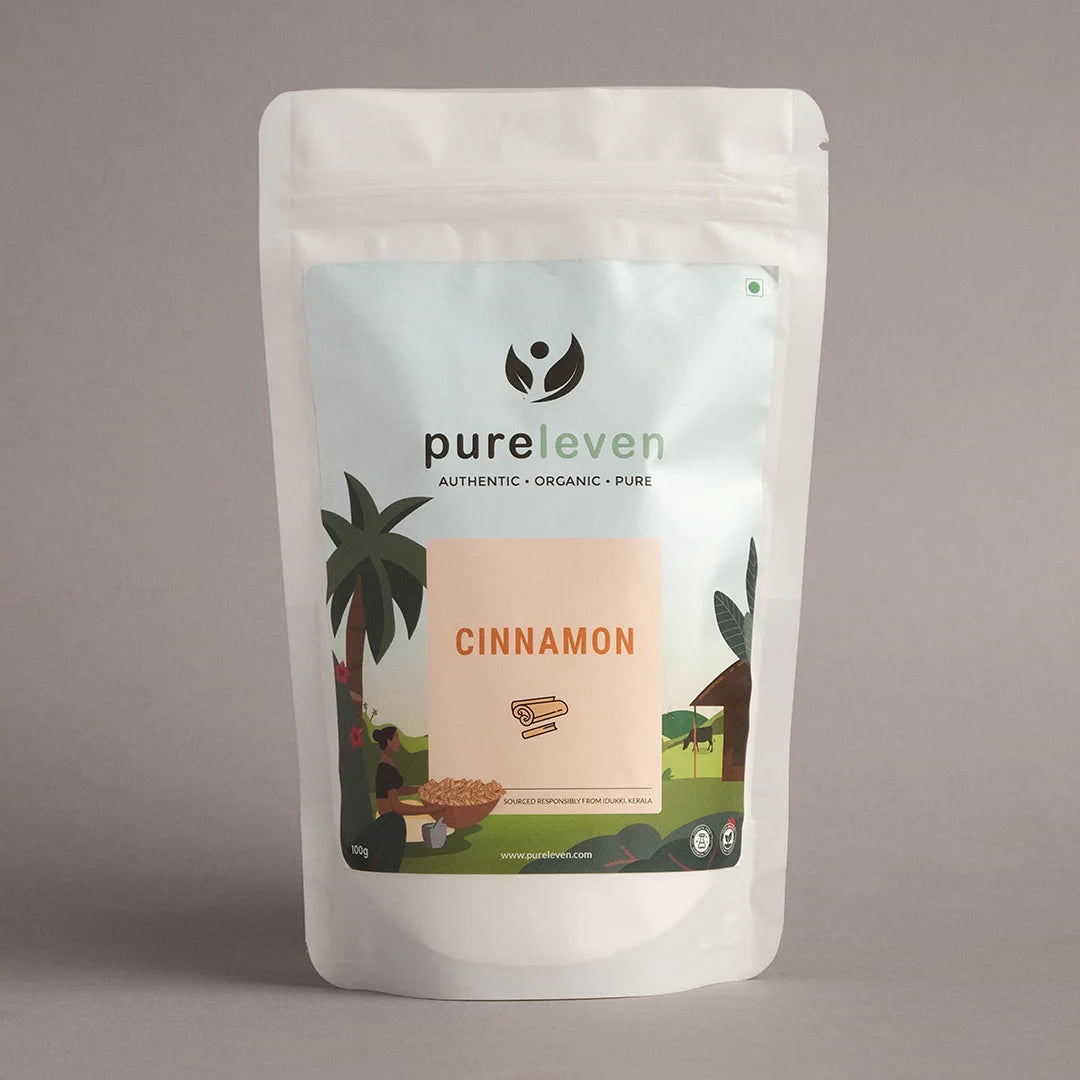
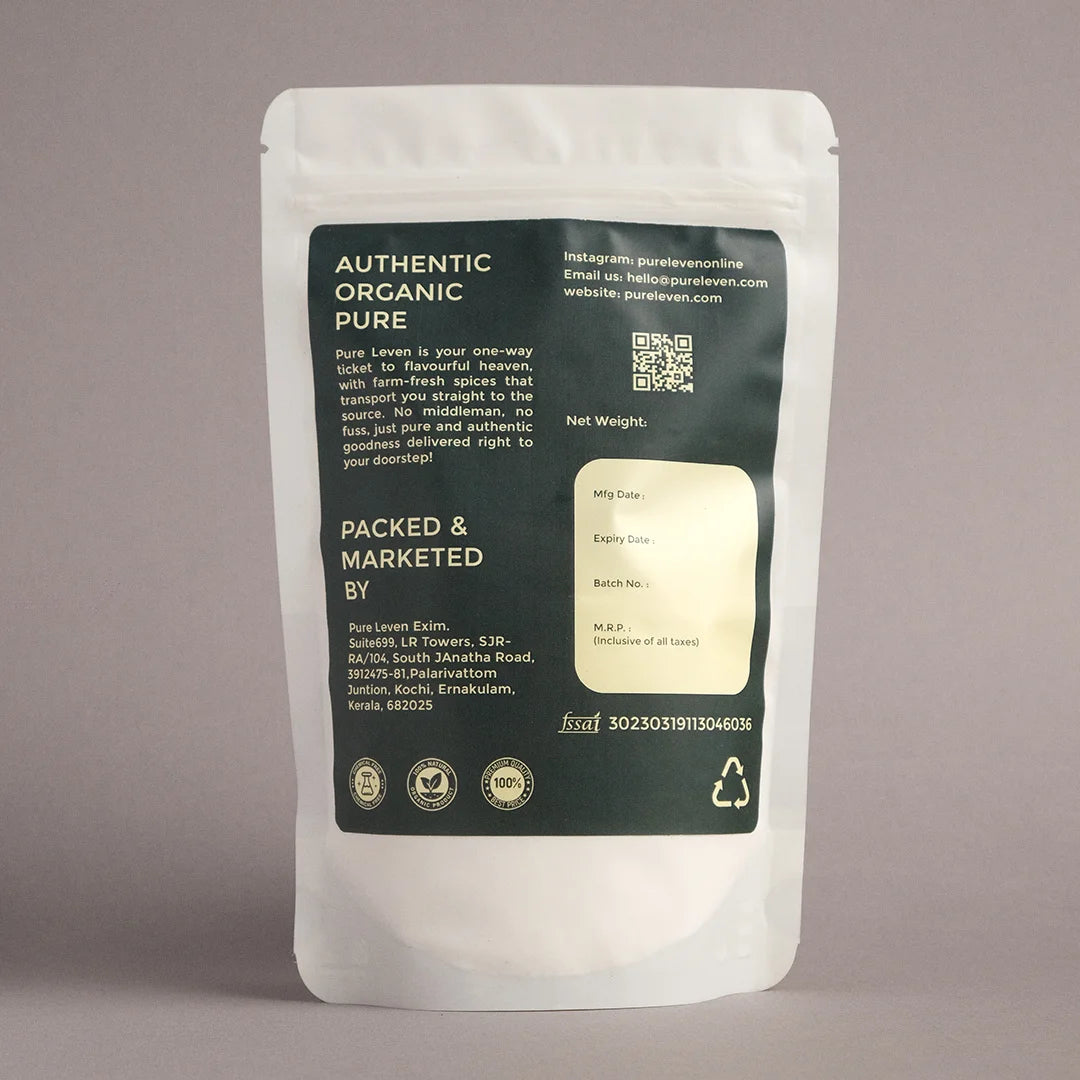


True Ceylon cinnamon
Ceylon cinnamon is known for its softer character, making it ideal when you want fragrance without heavy spice heat.

Ceylon has a lighter aroma than cassia, which helps buyers choose the right cinnamon for their recipe.

From the source
Pick Ceylon for a softer, sweeter cinnamon in tea, coffee and desserts; choose cassia for bold warmth in masala and biryani.

True cinnamon (Cinnamomum verum), imported directly from Sri Lanka, where Ceylon cinnamon comes from. This is not the dalchini sold in most Indian shops, which is usually cassia. You can tell true cinnamon by its quills: many thin, papery layers of bark rolled together, light tan in colour, and easy to snap by hand.
| Species | Cinnamomum verum (true or Ceylon cinnamon) |
| Origin | Sri Lanka, imported directly |
| Grade | C5 (Continental) or H1 (Hamburg), depending on the batch. WhatsApp us to ask which grade is in stock |
| Form | Whole quills (sticks) |
| Ingredients | 100% true cinnamon bark. Nothing added |
| Coumarin | Naturally very low, unlike cassia |
| Farming | Not certified organic |
| Packaging | Resealable pouch |
| Pack sizes | 50g, 100g, 200g |
Sri Lanka grades cinnamon quills mainly by thickness. The thinnest grade is Alba, followed by Continental (C), Mexican (M) and Hamburg (H), which are the thickest.
Both grades are the same species. The difference is how the bark is rolled and how thick the quill is, not whether it's real cinnamon.
| Ceylon (this product) | Cassia | |
| Quill | Many thin layers rolled like a cigar | One thick, hard layer curled inward |
| Colour | Light tan | Dark reddish-brown |
| Breaking | Snaps and crumbles by hand | Hard; needs a pestle or grinder |
| Flavour | Mild, sweet, slightly citrusy | Strong, hot, sweet-spicy |
| Coumarin | Very low | Much higher |
| Best for | Tea, desserts, baking, daily use | Biryani, meat curries, garam masala |
Keep it in the resealed pouch or an airtight jar, away from heat and sunlight. Whole quills keep their aroma for many months. Ground cinnamon fades quickly, so grind only what you need.
Where does this cinnamon come from?
Sri Lanka. We import it directly. It is true cinnamon, Cinnamomum verum, not cassia.
Is this real cinnamon?
Yes. Most "dalchini" in Indian markets is cassia, a related but different tree. True cinnamon has thin, papery layers and breaks easily by hand. Cassia is one thick, hard layer.
What's the difference between C5 and H1?
Quill thickness and finish. C5 is a thinner, finer Continental grade. H1 is a thicker Hamburg grade. Both are true Ceylon cinnamon with the same mild taste and low coumarin.
Why is Ceylon cinnamon better for daily use?
Cassia naturally contains much more coumarin, and food safety authorities in Europe advise limiting how much coumarin people take in daily. Ceylon cinnamon has only traces, so it's the usual choice if you take cinnamon every day, for example in tea. This isn't medical advice; ask your doctor if you use cinnamon for a health reason.
Why does it cost more than regular dalchini?
True cinnamon is peeled and rolled by hand from thin inner bark, and it's imported from Sri Lanka. Cassia is cheaper to grow and process.
Is it organic?
No, it isn't certified organic.
Can I grind it at home?
Yes. Unlike cassia, it breaks easily by hand and grinds to a fine powder in a normal mixer.
Do you sell in bulk?
Message us on WhatsApp at +91 88482 65849 or see our Wholesale page.
Delivery usually takes 4–5 working days across India. Free shipping on orders above ₹649. Questions before ordering? WhatsApp us on +91 88482 65849.

Our three core Idukki spices in one order: Adimali cloves, black pepper and green...

Whole clove buds from Adimali, a town in Idukki that's long been known for...

Whole white peppercorns from Idukki. White pepper comes from the same vine as black...

We grow cardamom on our farm in Rajakumari, in Kerala's Idukki district, where we...

We grow black pepper on our farm in Rajakumari, in Kerala's Idukki district, where...

Whole star anise (chakra phool), the eight-pointed pod that gives biryani and garam masala...

Whole cassia cinnamon sticks. This is the thicker, darker bark most Indian kitchens use...
Kitchen dossier
The value of Ceylon is not loudness. It is sweetness, finesse, and the ability to add warmth without overpowering tea, desserts, or fruit-led recipes.
Best for tea, desserts, fruit, subtle baking, and buyers who want a gentler cinnamon profile.
Style of cinnamon
Ceylon sits on the lighter, sweeter, and more delicate end of the cinnamon spectrum.
Where it wins
It works especially well in tea, yogurt, fruit, pastry, and recipes where heavy cinnamon would dominate.
Buyer expectation
People choosing true cinnamon usually want refinement, not brute spice intensity.
Pack logic
The product makes most sense for buyers who care about style difference, not only category label.
Our spices never sit in warehouses. They are handpicked from high-altitude estates and brought straight to your kitchen, preserving every note of aroma.

True cinnamon profile
This page should help buyers understand sweetness, softness, and where true cinnamon makes more sense than a stronger cassia profile.
| Attribute | Pureleven | Generic market |
|---|---|---|
| Cinnamon identity | Clearly positioned as True Ceylon cinnamon. |
Many listings do not make the cinnamon type obvious. |
| Flavor profile | Lighter, sweeter, and more delicate than cassia. |
Generic cinnamon descriptions often flatten these differences. |
| Best uses | Tea, desserts, fruit-based recipes, and refined baking. |
Less direction on when a softer cinnamon profile is preferable. |
| Pack fit | 100g pack built for tea drinkers, dessert-led kitchens, and buyers who want a gentler cinnamon profile. |
Shoppers often need to infer pack and use-case differences on their own. |
True cinnamon questions
These answers help buyers understand what true cinnamon is, how it differs from cassia, and where it shines in daily use.
True Ceylon cinnamon is known for a lighter, sweeter, and more delicate profile than cassia, which is why it is often preferred for tea and softer dessert flavors.
Ceylon is generally lighter and sweeter, while cassia tends to be bolder and warmer. They suit different taste preferences and recipes.
This pack is best for tea drinkers, dessert-led kitchens, and buyers who want a gentler cinnamon profile.
Keep it sealed and away from humidity, sunlight, and high kitchen heat. That helps preserve its sweetness and cleaner aroma for longer.

Spices, tea and honey from the hills of Idukki, Kerala.
02 / Company
03 / Help
04 / Get in touch
© 2026 Pure Leven Exim · FSSAI licensed · 100% natural
100% secure checkout