



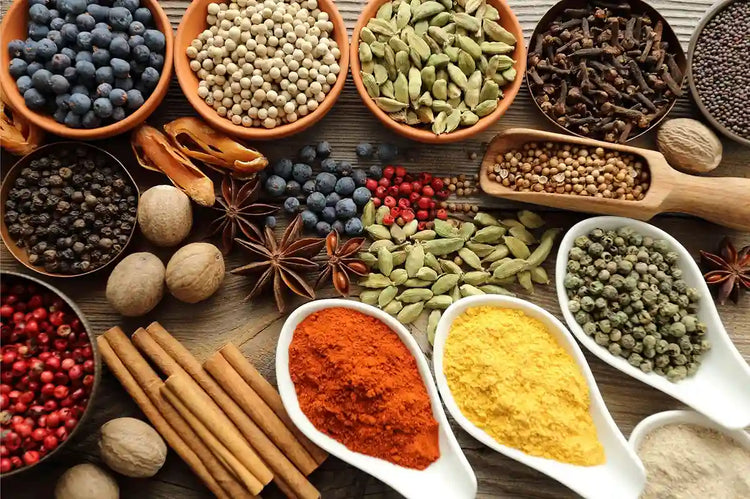
Daily wellness spice guide
Kerala Spices and Everyday Wellness: What They Can and Can't Do
Turn informational reading into a practical pantry buy with a shortlist built for daily Kerala-style cooking.
Quick Summary
Kerala spices can support everyday wellness when they are used consistently in balanced meals. Turmeric, ginger, garlic, cinnamon, cardamom, and black pepper are valued for their flavor plus their long-standing role in warm, digestion-friendly, immune-supportive cooking routines.
Jump through the guide
Go straight to the sections that answer the buying, comparison, or sourcing question you came for.
Kerala cooking uses turmeric, ginger, garlic, pepper, cinnamon and cardamom every day, and many families believe these spices keep them healthy. Some of that belief has research behind it; some of it goes beyond the evidence. Here's an honest look.
The short version
No single spice "boosts immunity" in a way that protects you from illness. What spices do is make simple, home-cooked food with vegetables, pulses and fish taste good enough to eat every day, and that kind of diet is good for your health overall. Some spices also contain compounds that researchers are actively studying.
Spice by spice
Turmeric
Contains curcumin, which has anti-inflammatory and antioxidant properties in laboratory studies. The body absorbs curcumin poorly on its own; black pepper and fat help. Studies in people are mixed, and cooking amounts are much smaller than those used in research.
Ginger
Has reasonable evidence for easing nausea, including pregnancy and travel sickness. It's warming and widely used for colds, though it won't cure one.
Garlic
Contains allicin, which has antibacterial effects in the lab. Some studies suggest small benefits for blood pressure. Claims that garlic prevents cancer or replaces antibiotics are not supported.
Black pepper
Its piperine helps the body absorb curcumin from turmeric. That's why they're so often paired. See our post on black pepper and turmeric.
Cinnamon
Studied for blood sugar effects, with mixed results. It's not a diabetes treatment. Cassia contains more coumarin than Ceylon cinnamon, so Ceylon is the better choice for large daily amounts.
Cardamom
Traditionally used after meals for digestion and fresh breath. Evidence in people is limited, but it's pleasant and harmless in normal amounts.
How to use them day to day
- Add turmeric and pepper together to curries, dals and eggs.
- Use ginger and garlic generously in everyday cooking.
- Enjoy ginger or pepper tea on rainy days.
- Buy whole spices and grind fresh for the best flavour.
A word of caution
If you're taking medication, especially blood thinners or diabetes medicine, talk to your doctor before taking spice supplements. Normal cooking amounts are generally fine.
Related reading
Our 3-in-1 Kerala spice combo covers cardamom, pepper and cloves. We also sell Ceylon cinnamon.
General information, not medical advice.
Ready to buy?
Related products for this article
Move from reading intent to shopping intent with product cards tied to this topic and a direct route into the wider catalog.
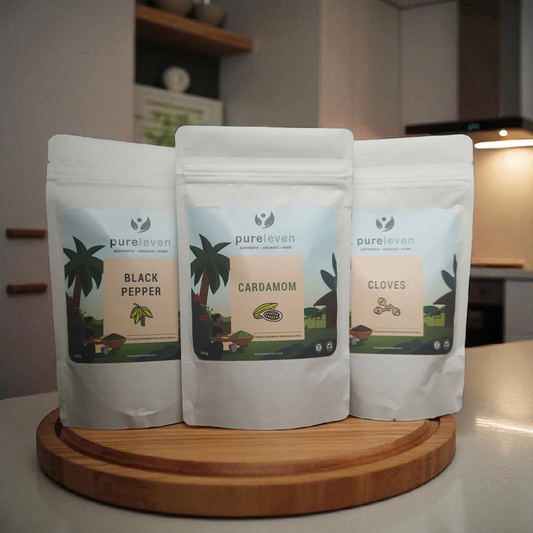 Primary pick3-in-1 Kerala Spice ComboA practical entry point for readers who want multiple Kerala staples in one order instead of one-off trial buying.Rs. 909.00Rs. 559.00
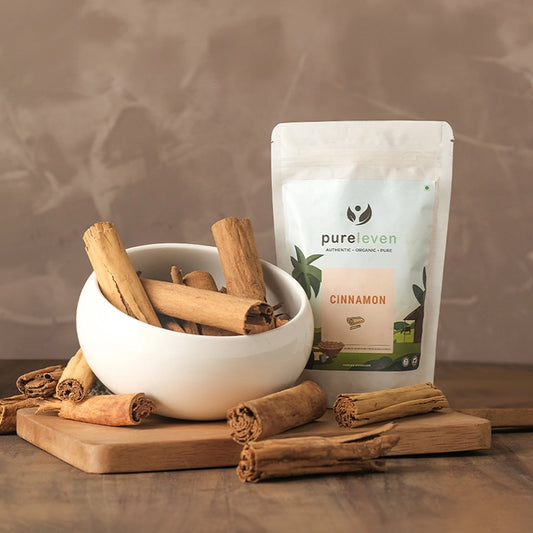 Also considerTrue Ceylon Cinnamon (Dalchini) – Whole Quills from Sri LankaRs. 250.00Rs. 190.00
 Kitchen add-onExtra Bold Kerala Cardamom (Elaichi) – 8mm Whole Pods from IdukkiRs. 309.00Rs. 270.00


