



Everyday pantry guide
Honey for Skin: Simple Uses, Realistic Expectations
Use this article as the top of the funnel, then move into current Pureleven pantry best sellers without losing buying momentum.
Quick Summary
Honey is often used in skincare because it can help with moisture, softness, and gentle surface care in simple home routines. Its popularity comes from how easily it fits into face masks, soothing treatments, and everyday skin-supporting habits when used carefully.
Jump through the guide
Go straight to the sections that answer the buying, comparison, or sourcing question you came for.
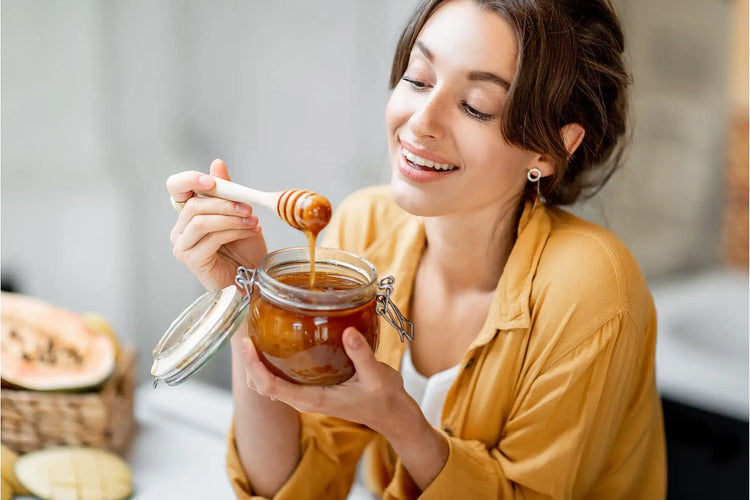
Honey has been used on skin for a very long time, and it turns up in many home face masks. It can be a pleasant, gentle part of a skincare routine. It isn't a treatment for skin conditions. Here's a realistic guide.
What honey can do on skin
- Moisturise: honey is a humectant, meaning it attracts and holds moisture. That's why it can leave skin feeling soft.
- Feel soothing: many people find a honey mask calming on dry skin.
What it can't do
You'll see claims that honey cures acne, reverses ageing or heals wounds. The evidence doesn't support using kitchen honey for these. Medical-grade honey is used in some wound dressings, but only under medical supervision. For acne, eczema, burns or wounds, see a doctor or dermatologist.
Simple ways people use it
- Plain honey mask: a thin layer on clean skin for 10 minutes, then rinse with warm water.
- Honey and yoghurt: a spoonful of each, mixed, for 10 minutes.
- Dry lips: a tiny dab of honey, left for a few minutes, then wiped off.
Be careful
- Patch test first: try a small amount on your inner arm and wait 24 hours.
- Avoid if allergic to honey, pollen or bee products.
- Don't use on broken skin, burns or wounds without medical advice.
- Keep it off babies' skin and away from their mouths. Honey must never be given to babies under one year.
Related reading
Our Naadan pure honey is a food product, sold for eating.
General information, not medical advice.
Ready to buy?
Related products for this article
Move from reading intent to shopping intent with product cards tied to this topic and a direct route into the wider catalog.
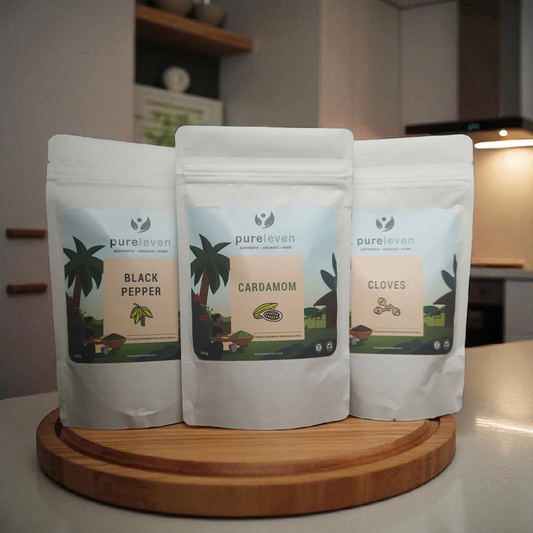 Primary pick3-in-1 Kerala Spice ComboThis route keeps non-spice articles commercially useful by pointing readers to the strongest live Pureleven pantry products.Rs. 909.00Rs. 559.00
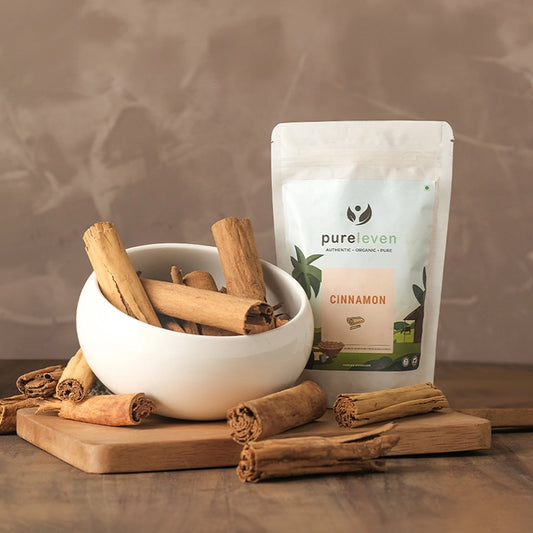 Also considerTrue Ceylon Cinnamon (Dalchini) – Whole Quills from Sri LankaRs. 250.00Rs. 190.00
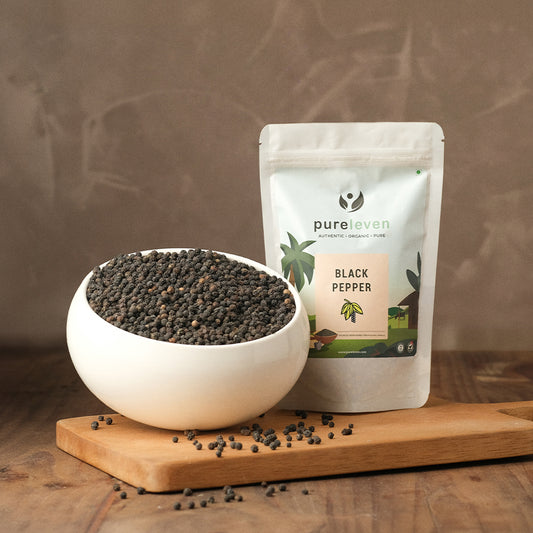 Kitchen add-onKerala Black Pepper (Kali Mirch) – Bold Whole Peppercorns from IdukkiRs. 100.00
Suggested reads
Keep exploring this topic
Move from this guide into adjacent reads from the same journal, then jump back into the catalog when you are ready to buy.

Honey Purity Tests at Home: What They Can and C...
Pure honey is best identified through trusted sourcing, clean labeling, natural crystallization patterns, and reliable testing. Home checks can help spot obvious issues, but they work best as a first...
Honey Purity Tests at Home: What They Can and C...
Pure honey is best identified through trusted sourcing, clean labeling, natural crystallization patterns, and reliable testing. Home checks can help spot obvious issues, but they work best as a first...

The Sweet Truth: Honey vs Sugar – Which Wins i...
Honey and sugar both sweeten food, but they differ in flavor, processing, and kitchen behavior. Honey adds aroma and character, while sugar provides neutral sweetness and consistency. The better option...
The Sweet Truth: Honey vs Sugar – Which Wins i...
Honey and sugar both sweeten food, but they differ in flavor, processing, and kitchen behavior. Honey adds aroma and character, while sugar provides neutral sweetness and consistency. The better option...


