



Pureleven journal
Cooking & Spices
From Kerala soil to your kitchen.
Pureleven spice journal
Visiting a Spice Plantation Near Thekkady
Answer-first guidance with a faster path to farm-origin Kerala products you can buy today.
Quick Summary
Practical advice for a spice plantation visit near Thekkady: what you'll see, the best months to go, what to wear, questions to ask the guide and how to handle the shop.
Jump through the guide
Go straight to the sections that answer the buying, comparison, or sourcing question you came for.
A spice plantation visit near Thekkady is usually a guided walk past cardamom, pepper, clove, nutmeg and coffee plants, ending at a spice shop. Go in the morning, ideally between September and February, wear closed shoes, ask a few good questions, and treat the shop at the end as optional.
What will you see on a plantation walk?
- Cardamom growing as a tall, leafy plant in the shade. The pods form on shoots close to the ground, not up high as most people expect.
- Black pepper vines climbing shade trees, with green or red berry spikes depending on the season.
- Clove and nutmeg trees. Ask to see mace, the red lacy covering around the nutmeg seed.
- Coffee bushes, and often cinnamon, turmeric, ginger, cocoa or vanilla.
Working farm or show garden?
Many tourist plantations plant a few of each spice close together so visitors can see everything in one short loop. That's useful, but it isn't how spices are actually farmed. A working farm in Idukki usually grows one or two main crops, typically cardamom with pepper vines on the shade trees. Neither kind of visit is wrong, it helps to know which one you're on.
When is the best time to visit?
- Roughly September to February. The monsoon has eased, the plants are green, and cardamom picking is often under way. In Kerala the cardamom harvest runs from around June or July into January or February, with each plant picked in rounds every two to four weeks.
- Mornings are cooler, quieter and better for photos.
- During the heavy monsoon (roughly June to August), paths get slippery and leeches show up. Go if you like the rain, but dress for it.
What to wear and carry
- Closed shoes with grip. Sandals and wet clay slopes don't mix.
- Long trousers, or socks you can tuck them into, especially in the wet months.
- A light rain jacket or umbrella from June to November.
- Water, and some cash if you think you might buy something.
Good questions to ask the guide
- Is this a working farm, or mainly planted for visitors?
- When is cardamom harvested here, and how often is each plant picked?
- How is the cardamom dried? (Much of Idukki's cardamom is dried in heated dryers rather than in the sun.)
- Which of the spices in the shop were grown here, and which were bought in?
A guide who knows the farm will enjoy these questions. A vague answer tells you something too.
How to handle the shop at the end
Most walks finish at a shop. Some are fair, others price well above what the spices are worth, banking on goodwill from the free tour. A few rules help:
- You're never obliged to buy.
- Ask to see and smell the cardamom out of the pack. Good pods are green, plump and closed, with a strong smell when crushed.
- Be sceptical of saffron (it isn't a Kerala crop), "wild" labels and oils sold with health promises.
- Check prices at a couple of shops in Kumily town before buying in quantity.
- Buy whole spices in sealed packs, only what you'll use in a few months.
Our spice quality checklist is handy to keep on your phone while you shop.
Who will enjoy it, and who might skip it?
Families, first-time visitors to Kerala and anyone who cooks will usually find it worthwhile. Seeing a pepper vine or cardamom flowers at the base of the plant changes how you think about the jar in your kitchen. If you have limited mobility, ask in advance how steep the paths are, many gardens sit on slopes.
Passing through Munnar too? Our guide to spices to buy in Munnar covers what's worth taking home from there.
Before and after your trip
To understand what you'll see in the field, read how cardamom is harvested by hand. If you run out once you're home, we ship whole Idukki spices across India from Rajakumari. See everything we sell here.
Sources
Ready to buy?
Related products for this article
Move from reading intent to shopping intent with product cards tied to this topic and a direct route into the wider catalog.
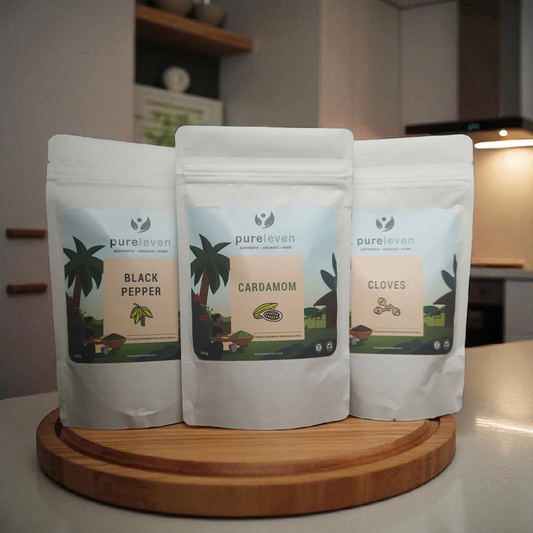 Primary pick3-in-1 Kerala Spice ComboStart with a best-selling Pureleven product picked to match the buying intent behind this article.Rs. 909.00Rs. 559.00
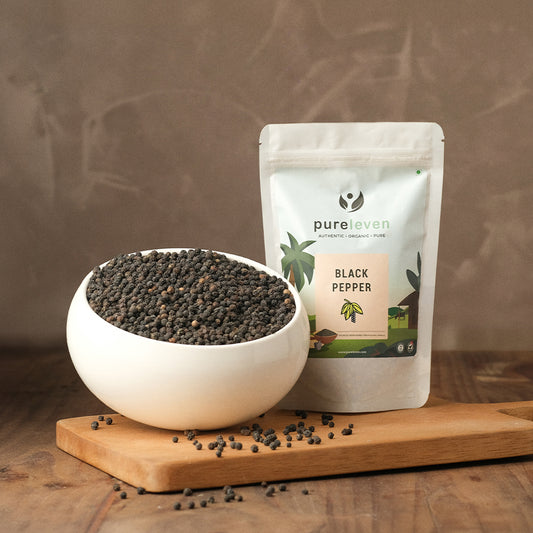 Also considerKerala Black Pepper (Kali Mirch) – Bold Whole Peppercorns from IdukkiRs. 100.00
 Kitchen add-onExtra Bold Kerala Cardamom (Elaichi) – 8mm Whole Pods from IdukkiRs. 309.00Rs. 270.00


