Spice of the Soil: Delving into Star Anise Cultivation in India article image from Organic Pure Leven

Cinnamon buying guide

Spice of the Soil: Delving into Star Anise Cultivation in India

7 min read

Compare daily-use warm spice options and move directly into a product shortlist without leaving the article cold.

Quick Summary

Star anise cultivation depends on the right climate, careful propagation, healthy soil, and patient crop management. Understanding how it is grown in India helps buyers connect flavor quality with farm conditions, seasonal care, harvest timing, and long-term sustainability.

1 Kerala-led sourcing and aroma-focused handling
2 Closer-fit alternatives when exact SKUs are not live
3 Small-batch packing for everyday kitchen use

Star anise is valued not only for its distinctive aroma, but also for the farming knowledge required to produce it well. Climate, soil, seed handling, and patient crop management all influence whether growers can produce spice with dependable flavor and market value.

Looking at cultivation in India gives buyers a clearer picture of what supports quality star anise and why responsible growing practices matter from planting through post-harvest handling.

The Origin and History of Star Anise

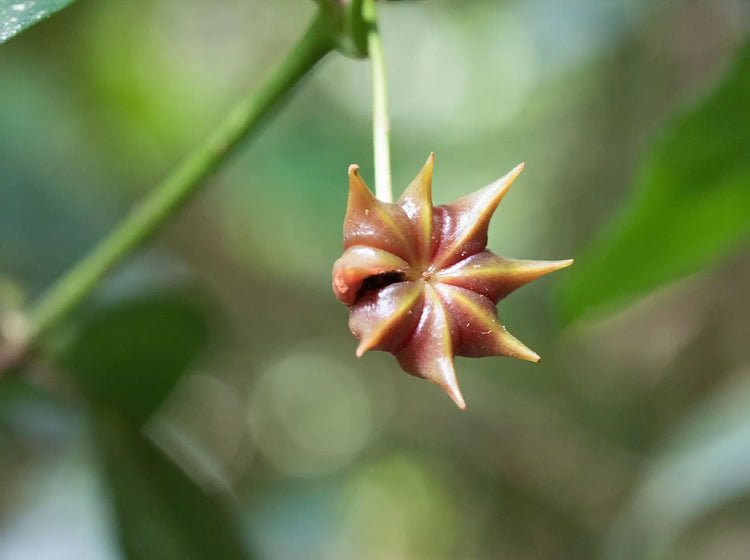
The scientific name for star anise is Illicium Verum, from southwest China—a rich cultural and culinary legacy. Initially used in Chinese medicine, this healing spice eventually entered Asian and Middle Eastern cuisine. Star anise is a common ingredient in many kitchens worldwide, appreciated for its flavor and possible health benefits. It gives a distinct taste to a variety of dishes. Star anise is a spice from an evergreen tree.The Farmers have developed better growing practices for star anise cultivation in India and found the perfect growing conditions over time to produce high-quality and highly demanded spice ” Star anise”.

Environmental Conditions and Soil Requirements

The ideal climates for growing star anise are tropical and subtropical regions with consistent rainfall and no frost. It needs well-drained, fertile soil with a pH of 6.0 to 7.5. Both lots of airflow and much organic matter in the soil are necessary for healthy roots. Star anise’s ideal growing temperature range is 15 to 35 degrees Celsius (59 to 95 degrees Fahrenheit). Furthermore, the plant flourishes in soils that maintain moisture well without becoming too wet. Soil moisture and organic matter are essential for star anise cultivation to prevent the decay of roots and promote healthy growth. Star anise prefers slightly acidic to neutral soil. To ensure productive and excellent star anise cultivation in India, the farmers must carefully evaluate the soil and environmental requirements to establish the ideal growing environment for star anise.

Main areas of star anise grow in India

Star anise comes in different types, which might have variances in their taste and appearance. Now let’s get to know a few of them. The sweet, star-shaped spice known as star anise is mainly grown in Arunachal Pradesh, Assam, and Meghalaya in India because of the climate and soil, making it ideal for cooking. The best places in India to grow star anise are Arunachal Pradesh, Himachal Pradesh, and some hilly areas in the northeast due to the climate and soil. This spice, which has culinary and medicinal uses, is grown by local farmers and has a strong aroma. These areas’ temperature, climate, and altitude offer the ideal conditions for them to thrive.

Indian Star Anise: Tamil Nadu, Kerala, Karnataka, and Andhra Pradesh are the states in which this variety is grown.
Taste: It has a milder flavor that works better in recipes, calling for a subtle licorice taste rather than the well-known Chinese star anise.
Use in Cooking: Indian star anise lends a delicate aroma to masalas and spice blends without overpowering the overall flavor, which makes it a popular ingredient in traditional Indian cooking.
Medicinal Value: It is sometimes used for possible digestive benefits in Ayurveda practices, which adds to its role in herbal remedies.
Regional Influence: The climatic and soil variations among India’s regions account for spice flavor and aroma variations.

Planting and Propagation Techniques

The star anise cultivation in India requires well-draining soil and stratification in order to propagate. Let’s know about planting and propagation techniques of star anise.

Seed Gathering and Preparation

Gather mature star anise fruits, clean, remove seeds, stratify, and keep in a cool, wet environment for a few weeks to induce germination and break dormancy.

Direct planting or nursery sowing

Plant stratified seeds at a depth of 1 to 2 centimetres in well-draining soil in a nursery. Till the seedlings appear, maintain the area warm and damp. Plant the seeds in the field where there are no weeds.

Handling Seedlings and Planting

Seedling care involves selecting a suitable site with partial shade, fertile soil, adequate spacing, regular watering, and mulch to ensure proper growth and suppress weeds.

Cultivation and Upkeep

Star anise plants require regular pruning, mulching, and irrigation to maintain a constant moisture content. Their ideal growth is facilitated by protection from strong winds, and they flourish in subtropical to tropical climates. For the sustainable star anise cultivation in India, It’s required organic farming and finding the best location for planting and water resource conservation, and seed propagation.

Seasonal Care and Maintenance

Seasonal care is needed to keep star anise plants healthy. In addition, plants require regular watering, mulched soil to hold onto moisture, shaping pruning in late winter or early spring, improved air circulation, and shelter from strong winds during stormy seasons. Star anise plants must be checked often because they are prone to pests and diseases.

Diseases and pests quickly attack Star anise plants, so inspecting them for problems periodically is essential. Neem oil is one natural remedy that can help with pest control. Proper watering and avoiding waterlogged soil prevent diseases.

During spring pruning, ensure good air circulation and protect plants from strong winds. Regular monitoring and quick action are essential for maintaining the health of star anise plants throughout the seasons.

Harvesting and Post-Harvest Processing

Star anise cultivation in India relies on optimal harvesting in late autumn to ensure fully developed and flavorful seeds. Post-harvest processing is crucial to preserve the spice’s quality. To reduce moisture content and extend shelf life, farmers dry fruits in the sun or with controlled techniques.

After the seeds are removed, the spice is prepared for distribution. An excellent product is delivered to markets and customers through proper post-harvest processing, which maintains the distinctive candy flavour and aromatic qualities.

Economic Impact and Market Trends

The cultivation of star anise highly depends on the economy of India, which boosts the country’s spice trade and pays farmers. The spice’s unique flavour and aromatic properties are responsible for its widespread appeal. As people become more health conscious, this spice’s potential medical benefits are driving up its popularity. The distinctive qualities of Indian star anise continue to draw customers and improve the standard of living for those engaged in its trade and cultivation.

Sustainable and Organic Practices

The long-term viability of the industry and the wellbeing of the environment can both be enhanced by the use of sustainable and ecologically friendly methods in the star anise cultivation in India. Because they don’t use chemical fertilisers or pesticides, organic farming methods improve soil quality and have a negligible negative environmental impact.

  • Crop rotation: Crop rotation helps preserve the equilibrium of the ecosystem, increase soil fertility, and lower the number of pests and diseases. Star anise is one crop to rotate like this.
  • Companion crop planting: Companion crop planting helps conserve biodiversity by drawing beneficial insects, preserving natural habitats, and reducing the need for chemical interventions.
  • Natural pest control methods: The pest control mechanisms are one of the organic practices for star anise cultivation in India. Introduce birds that feed insects Ladybugs and predatory birds are natural pest controllers.
  • Watering techniques: Drip irrigation is one efficient way to save water and prevent water logging, which can lead to root diseases.

Conclusion

Star anise cultivation is a long-cycle farming effort that depends on suitable climate, careful propagation, and disciplined post-harvest handling. Buyers who understand these basics are better equipped to judge quality and value.

As interest in specialty spices grows, the strongest long-term opportunity lies in cultivation methods that protect both flavor quality and farm sustainability.

Related reading

If you want to keep exploring this topic, these follow-up reads add more context without repeating the same angle.

Frequently asked questions about star anise cultivation in India

What kind of climate does star anise need?

Star anise generally performs best in humid conditions with suitable rainfall, stable temperatures, and soil that supports healthy root development.

Why does cultivation matter for spice quality?

Cultivation affects aroma, appearance, consistency, and harvest success. Good propagation, crop care, and post-harvest handling usually lead to more reliable spice quality.

Why is sustainable cultivation important for star anise?

Sustainable cultivation helps protect soil health, supports long-term yields, and reduces the risk of quality decline that can come from short-term farming decisions.

Ready to buy?

Related products for this article

Move from reading intent to shopping intent with product cards tied to this topic and a direct route into the wider catalog.
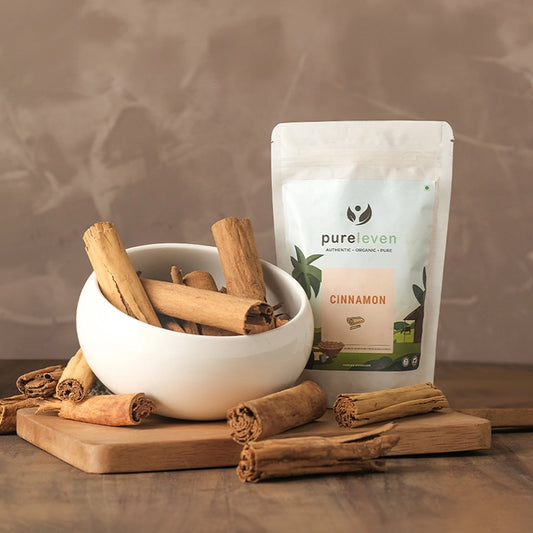
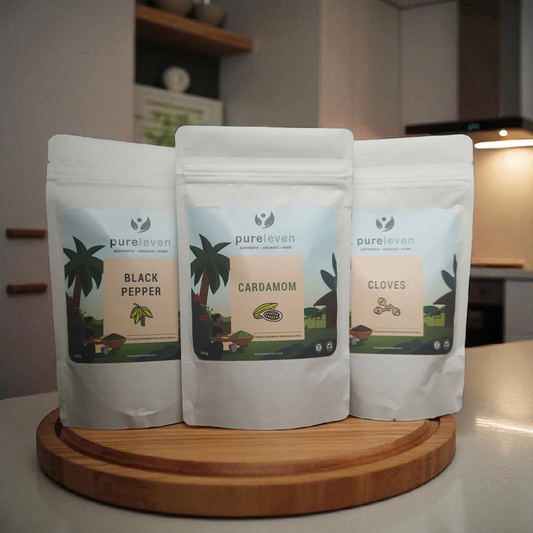
True Ceylon cinnamon product image from Organic Pure Leven Primary pickAromatic True Cinnamon (Ceylon) — 100gUse the closest live Pureleven spice match when the exact article ingredient is not part of the current catalog.Rs. 480.00Rs. 320.00 Shop this spice Cassia cinnamon product image from Organic Pure Leven Also considerPremium Cassia Cinnamon - 100gRs. 299.00Rs. 220.00 View product Kerala spice combo pack with cardamom, black pepper, and clove from Organic Pure Leven Kitchen add-onCardamom (50g), Black Pepper (100g) & Clove (100g) – 3-in-1 Spice Combo PackRs. 899.00Rs. 549.00 View product
Shop warm spices See all products

Suggested reads

Keep exploring this topic

Move from this guide into adjacent reads from the same journal, then jump back into the catalog when you are ready to buy.

Health Benefits of Clove: Uses, Aroma, and How to Choose Whole Cloves article image from Organic Pure Leven

Health Benefits of Clove: Uses, Aroma, and How ...

Explore clove's everyday kitchen value, warming aroma, whole-bud quality signs, and how to choose and store cloves for chai, masala blends, and cooking.

Health Benefits of Clove: Uses, Aroma, and How ...

Explore clove's everyday kitchen value, warming aroma, whole-bud quality signs, and how to choose and store cloves for chai, masala blends, and cooking.

How to Choose Good Ginger: Aroma, Freshness, an...

Learn how to choose good ginger, what freshness looks like, how to store it, and where ginger fits best in tea, cooking, and everyday kitchen use.

How to Choose Good Ginger: Aroma, Freshness, an...

Learn how to choose good ginger, what freshness looks like, how to store it, and where ginger fits best in tea, cooking, and everyday kitchen use.

How to Choose the Right Pureleven Spice Combo Pack

Compare Pureleven's starter and larger Kerala spice combo packs so you can choose the right bundle for gifting, kitchen setup, or regular refill use.

How to Choose the Right Pureleven Spice Combo Pack

Compare Pureleven's starter and larger Kerala spice combo packs so you can choose the right bundle for gifting, kitchen setup, or regular refill use.

Shop warm spices See all Cooking & Spices
Back to blog

Shop the article product

Aromatic True Cinnamon (Ceylon) — 100g
Shop this spice

Explore Pureleven Kerala spices

1 of 4
  • 30 years farming experience

    Kerala-rooted farming knowledge shapes the sourcing, grading, and packing decisions behind every Pureleven product.

  • Sustainable cultivation

    Farm-origin sourcing and long-term cultivation practices help protect soil health, flavor quality, and future harvests.

  • Aroma-first small batches

    Small-batch processing and cleaner packaging keep more aroma in the pouch and more flavor in the kitchen.

  • Kerala-origin quality

    Readers move from educational content into traceable Kerala staples rather than anonymous marketplace inventory.

From Kerala soil to your kitchen.

Ready to move from reading to buying?

Use the guide as a decision surface, then move directly into collections, bundles, and the wider Pureleven catalog without losing shopping momentum.