



Cinnamon buying guide
Star Anise: Uses, Benefits and Side Effects
Compare daily-use warm spice options and move directly into a product shortlist without leaving the article cold.
Quick Summary
Star anise is valued for its licorice-like flavor, culinary versatility, and traditional wellness use, but it should be used with care and bought from trusted sources. Understanding both benefits and side effects helps home cooks use it more safely in teas, broths, spice blends, and everyday recipes.
Jump through the guide
Go straight to the sections that answer the buying, comparison, or sourcing question you came for.
Star anise is the beautiful, eight-pointed spice that gives biryani and garam masala part of their warm, liquorice-like smell. Here's how it's used, what its traditional benefits are, and the important safety points.
What star anise is
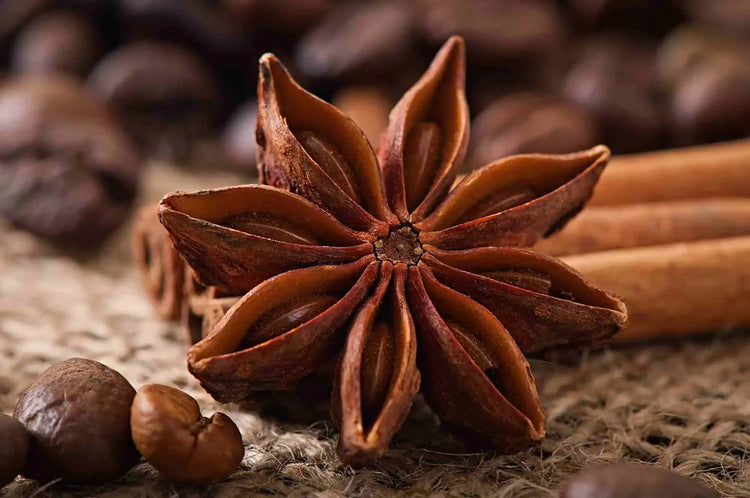
Star anise (chakra phool, thakkolam) is the dried fruit of an evergreen tree, Illicium verum, native to southern China and Vietnam. Most star anise used in India is imported. Its sweet, liquorice-like taste comes mainly from an aromatic compound called anethole.
Uses in cooking
- Biryani, pulao and meat curries
- Garam masala and chai masala
- Stocks, soups and Chinese-style dishes
- Syrups, poached fruit and tea
One star is usually enough for a family-sized dish. See our guide on how to use star anise.
Traditional and researched benefits
Star anise has long been used in traditional medicine for digestion and coughs. Laboratory studies have found antibacterial and antioxidant activity in its extracts. Star anise is also a source of shikimic acid, a starting material used to make some antiviral medicines. That does not mean eating star anise treats flu or any other illness.
In short: enjoy it as a spice. The amounts used in cooking are small, and there isn't strong evidence for health effects from those amounts.
Side effects and safety
- Japanese star anise is toxic. A related tree, Illicium anisatum, produces fruit that looks very similar but can cause serious poisoning. Contaminated star anise teas have made people, including infants, ill. Only buy star anise from food sellers, labelled for culinary use.
- Never give star anise tea to babies or young children.
- Essential oil is highly concentrated and should not be swallowed.
- Allergies: people allergic to related spices such as fennel or anise may react.
- Pregnancy and medication: check with a doctor before using star anise medicinally.
Buying and storing
Choose whole, unbroken, reddish-brown stars with a strong smell. Store airtight, away from heat. Whole stars keep their aroma for a long time.
Our whole star anise is sold for culinary use. Related: star anise cultivation.
General information, not medical advice.
Ready to buy?
Related products for this article
Move from reading intent to shopping intent with product cards tied to this topic and a direct route into the wider catalog.
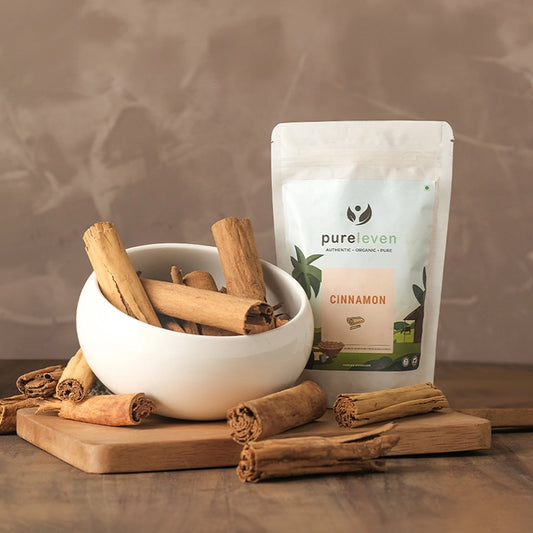 Primary pickTrue Ceylon Cinnamon (Dalchini) – Whole Quills from Sri LankaUse the closest live Pureleven spice match when the exact article ingredient is not part of the current catalog.Rs. 250.00Rs. 190.00
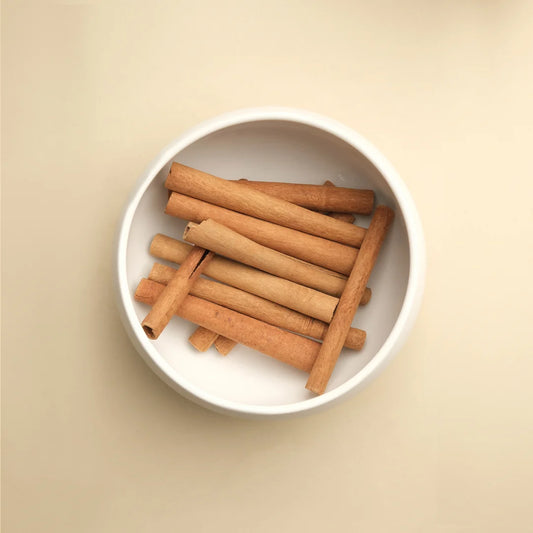 Also considerPremium Cassia Cinnamon Whole SticksRs. 159.50Rs. 120.00
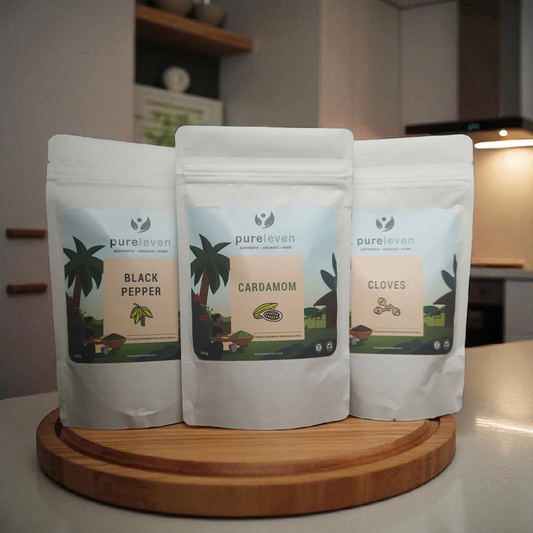 Kitchen add-on3-in-1 Kerala Spice ComboRs. 909.00Rs. 559.00


