
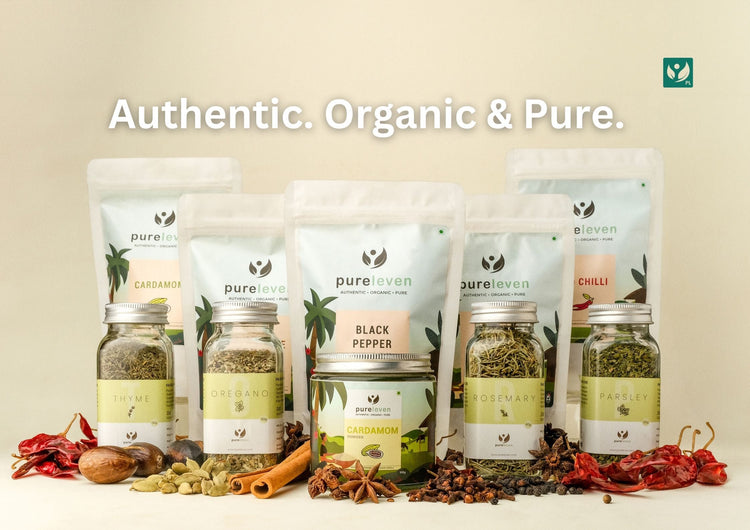
Kerala spice brands guide
Kerala Spices Online KSO vs Farm-Sourced Kerala Spices: What Buyers Should Know
Compare origin, aroma, freshness, and farm transparency, then move directly into Kerala spices with a premium buying path.
Quick Summary
There's a very specific smell that comes after rain in Rajakumary.If you've ever been to the high ranges of Idukki during monsoon season, you probably know what I mean. Wet soil, pepper vines holding tiny drops of water, turmeric roots drying slowly...
Jump through the guide
Go straight to the sections that answer the buying, comparison, or sourcing question you came for.
There's a very specific smell that comes after rain in Rajakumary.
If you've ever been to the high ranges of Idukki during monsoon season, you probably know what I mean. Wet soil, pepper vines holding tiny drops of water, turmeric roots drying slowly near homes, cardamom leaves moving with cold mountain wind. You have to live around spice farms to understand that fully.
For many families here, spices are not really "products". They are just part of daily life.
Nowadays, more people search online for Kerala spices—through websites, marketplaces, and brands like "Kerala Spices Online KSO"—especially those looking for fresher or more authentic spices. But after years of speaking with customers, one truth emerges very quickly:
Most people don't know how to identify good spices online.
A packet may look premium on a website. The branding may look luxury. But once you open it and cook with it, that's when the real difference shows.
Some spices smell alive. Some smell like cardboard.
Some turmeric fills the kitchen with aroma in seconds. Some just gives yellow color—and nothing more.
Where Pureleven Started
The entire idea began from something simple: if we're already cultivating and farming spices in Rajakumary, why not produce them in a way that preserves the original aroma and freshness?
That became the foundation.
Unlike many spice sellers that source mainly from wholesale markets, Pureleven focuses on cultivating, farming, and producing spices from Kerala's high ranges itself—backed by almost 30 years of farming experience in Rajakumary and nearby regions. That's not just sourcing. It's actual farming.
This article is not about attacking any brand, including Kerala Spices Online KSO. People should compare before buying. That's normal.
This is about helping buyers understand what actually matters when buying Kerala spices online.
Why Kerala Spices Taste Different
Kerala spices usually taste stronger because the environment here is fundamentally different.
The climate in places like Rajakumary (2,000+ meters elevation in Idukki), Wayanad (700–2,000m), and Malabar regions naturally supports slower spice growth. Heavy rainfall, mountain moisture, shaded plantations, and mineral-rich soil all affect the aroma and oil content inside the spice.
Especially for black pepper, turmeric, cinnamon, cloves, and cardamom—fresh Kerala pepper has a sharper smell, woodier. Commercial warehouse spices often lose this because they stay stored too long before packaging. Shop Kerala Black Pepper to experience the difference.
What Most People Search for When Looking Up Kerala Spices Online KSO
Usually people are trying to compare quality—not just price. They want to know: Is the spice fresh? Is the turmeric pure? Is this real cinnamon or cassia? Will the pepper actually smell strong? Is the source genuine? Because spice quality varies a lot online.
Farm-Sourced Spices vs Regular Marketplace Spices
| Farm-Sourced Spices | Generic Marketplace Spices |
|---|---|
| Smaller batch harvesting | Bulk storage sourcing |
| Better freshness control | Longer warehouse time |
| Region-specific cultivation | Mixed-origin products |
| More aroma retention | Sometimes lower oil content |
| Traceable farming | Limited farm visibility |
At Pureleven, the spices begin from cultivation itself. A turmeric that's been carefully dried retains more curcumin. A pepper harvested at peak ripeness develops more piperine compounds.
The Story Behind Pureleven
Rajakumary is not a commercial hub. It's mostly hills, farms, rain, and plantation life. Spice farming here follows seasons, not business trends. Pureleven came from years of working around these farming cycles. For almost 30 years, farming has been part of everyday life. When people directly work with crops: harvesting is more controlled, drying is more careful, storage is monitored better, and freshness stays longer.
Why Aroma Matters More Than Color
Bright color doesn't always mean better spice. Fresh spices contain oils that create smell and flavor. Over time these oils fade. So aroma is one of the best indicators of freshness. Fresh Kerala black pepper smells warm, woody, and sharp immediately after crushing. You can notice the difference while cooking eggs or soup. Shop Kerala Black Pepper as your benchmark spice.
True Ceylon Cinnamon vs Cassia: The Difference Matters
Real Ceylon cinnamon is softer and naturally sweet. Cassia is harder and stronger. Many people don't realize they've been using cassia for years thinking it's cinnamon. The chemistry differs: Ceylon contains more linalool and cinnamic aldehyde in balanced ratios; Cassia has higher cinnamaldehyde = sharper taste. Explore True Ceylon Cinnamon from Kerala.
Traditional Kerala Turmeric
Fresh turmeric smells earthy and warm—not overly chemical or artificially sharp. Many commercial turmeric powders are processed heavily for color consistency, but lose aroma and curcumin potency. Real Kerala turmeric retains the golden-orange hue naturally. Check Pureleven's turmeric options.
How to Identify Authentic Kerala Spices Online
1. Look for Source Transparency
Good spice brands explain where the spice is grown, farming region and elevation, harvesting process, sourcing approach. Specific regions give better confidence: Rajakumary (Idukki, 2000m) for premium pepper and cardamom; Idukki for cool-climate turmeric and cloves; Wayanad (700-2000m) for cinnamon.
2. Check Cinnamon Type
Is it cassia or actual Ceylon cinnamon? That's a big difference—for price, taste, and health.
3. Avoid Extremely Bright Turmeric
Natural turmeric has a warmer, earthy tone. Very bright yellow powders sometimes indicate over-processing.
4. Read Packaging Properly
Good packaging protects from moisture, sunlight, and aroma loss.
5. Understand the Farming Story
More people prefer brands connected directly to farming because it feels more trustworthy.
Why More Buyers Are Moving Toward Farm-Origin Spice Brands
Cooking habits are changing. People read labels more carefully. Families are trying to avoid overly processed food. Buyers searching for Kerala Spices Online KSO aren't just looking for spices—they're searching for genuine freshness, clean ingredients, real trust, stronger aroma, authentic Kerala origin, health-conscious sourcing. This shift is everywhere.
The Difference Shows During Cooking
Fresh pepper smells stronger immediately. True cinnamon feels warmer and softer. Natural turmeric blends smoother without grittiness. Once someone gets used to fresher spices, regular powders feel flat.
Why Rajakumary's Environment Helps Spice Farming
Rajakumary sits in Kerala's major spice-growing region—Idukki district, at 2,000+ meters. Slower growth = more time for flavor compounds. Lower temperatures = better oil retention. Extended monsoon (June–October) = optimal moisture. Mineral-rich volcanic soil = better curcumin and piperine uptake. The farming rhythm is still deeply connected to weather—not industrial schedules.
Build Your Kerala Spice Collection: Recommended Starting Spices
Start with Kerala Black Pepper
Works for: soups, broths, curries, eggs, grilled vegetables, everyday seasoning. Shop Kerala Black Pepper (200gm) — Most customers reorder within 3 months.
Add True Ceylon Cinnamon
Best for: morning tea, coffee, baking, desserts, oatmeal, slow-cooked stews, warm milk. Shop Kerala True Cinnamon (100g)
Complement with Traditional Kerala Turmeric
Useful for: curries, wellness drinks, golden milk, marinades, immunity recipes. Explore Pureleven Turmeric & Spices — Pro tip: Start with one or two. Once you experience the difference, you'll want to explore more.
Final Thoughts From Kerala's Spice Hills
In Kerala's high ranges, spices are closely connected to land, rain, and farming traditions. Whether you choose Kerala Spices Online KSO, Pureleven, or any other spice brand, understanding where it comes from makes a genuine difference. Freshness doesn't lie.
Frequently Asked Questions
What is Kerala Spices Online KSO?
A commonly searched term representing the market shift toward regional authenticity and quality in Kerala spices online.
Why are Kerala spices considered premium?
Because of Kerala's climate, rainfall, altitude farming (2,000+ meters), and slower spice growth that naturally retains more aroma and flavor compounds.
How can I identify authentic Kerala black pepper?
Look for: fresh aroma, natural texture, strong smell immediately after crushing, proper source transparency, brands directly connected to farming.
What is the difference between Ceylon cinnamon and cassia?
Ceylon is softer, milder, naturally sweeter, and has lower coumarin levels. Cassia is harder, stronger, harsher.
Why do fresh spices smell stronger?
Because they retain more natural volatile oils. Oil content directly affects flavor depth and aroma intensity.
Are farm-sourced spices better?
In most cases yes—for freshness, traceability, and aroma retention. Farm-sourced spices have shorter supply chains and better storage.
Which Kerala region is famous for spices?
Idukki (2,000m) for premium pepper and cardamom; Wayanad (700-2,000m) for cinnamon; Malabar for other specialty spices.
How should I store fresh Kerala spices?
In airtight containers, away from direct sunlight, heat, and moisture.
What's the best way to use Kerala spices?
Buy smaller quantities and use regularly. Replace your collection every 6-8 months for best flavor.
Ready to buy?
Related products for this article
Move from reading intent to shopping intent with product cards tied to this topic and a direct route into the wider catalog.
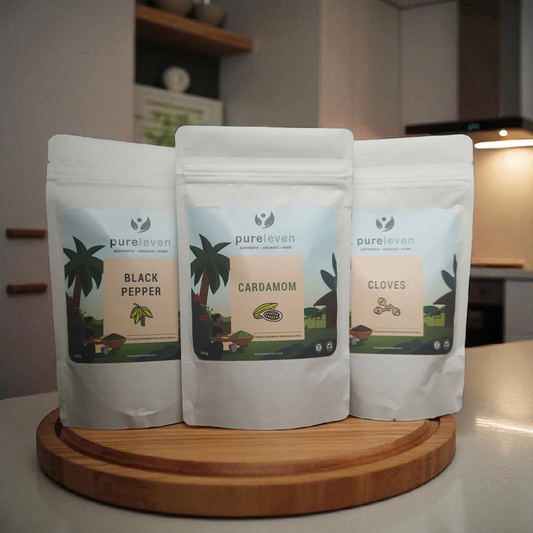 Primary pick3-in-1 Kerala Spice ComboA premium Pureleven entry point for readers comparing Kerala spice brands, with farm-connected sourcing and a curated pantry-starting mix.Rs. 909.00Rs. 559.00
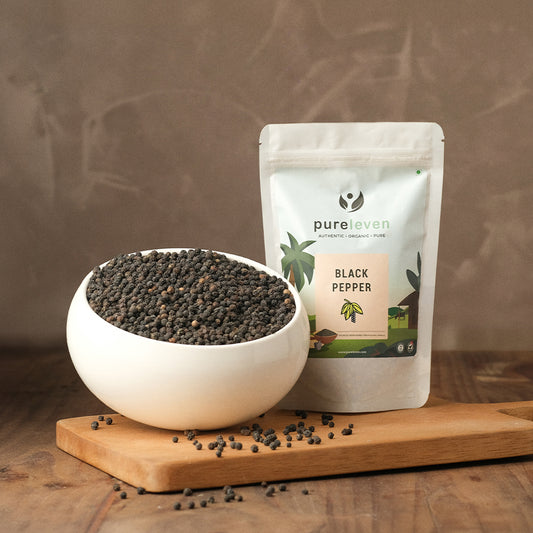 Also considerKerala Black Pepper Whole PeppercornsRs. 450.00Rs. 100.00
 Kitchen add-onKerala Cardamom Whole PodsRs. 309.00Rs. 270.00
Suggested reads
Keep exploring this topic
Move from this guide into adjacent reads from the same journal, then jump back into the catalog when you are ready to buy.

Farm-Direct Cardamom Online vs Retail: Price, Q...
Why farm-direct cardamom (elaichi) beats middlemen: verified market data shows 8.5mm grade commands a 35% premium and prices have risen 46% in two years. Here's how to buy smart.
Farm-Direct Cardamom Online vs Retail: Price, Q...
Why farm-direct cardamom (elaichi) beats middlemen: verified market data shows 8.5mm grade commands a 35% premium and prices have risen 46% in two years. Here's how to buy smart.

Cardamom Cultivation Guide: How to Grow Premium...
A complete cardamom (elaichi) farming guide: elevation requirements, water and shade balance, soil prep, natural pest control, and the real economics of growing cardamom.
Cardamom Cultivation Guide: How to Grow Premium...
A complete cardamom (elaichi) farming guide: elevation requirements, water and shade balance, soil prep, natural pest control, and the real economics of growing cardamom.

Cardamom Harvest & Handpicking: From Plant to Y...
The 8-phase journey from flower to harvest: why handpicking removes most pods to keep only the best cardamom (elaichi), and how to spot full-seed pods versus hollow ones.
Cardamom Harvest & Handpicking: From Plant to Y...
The 8-phase journey from flower to harvest: why handpicking removes most pods to keep only the best cardamom (elaichi), and how to spot full-seed pods versus hollow ones.


