Pureleven journal
Cooking & Spices
From Kerala soil to your kitchen.
Kerala pepper guide
Kerala Mutton Stew With Whole Spices
Move from comparison content into bold, kitchen-ready Kerala pepper with a cleaner buying path.
Quick Summary
A mild, creamy Kerala mutton stew with coconut milk, whole spices and pepper. The spice list, method, and why white pepper suits this dish.
Jump through the guide
Go straight to the sections that answer the buying, comparison, or sourcing question you came for.
Kerala mutton stew, the one served with appam on Christmas and Easter mornings, is white, creamy and gentle, built on coconut milk and whole spices instead of chilli. Pepper carries all the heat here, so the quality of your whole spices shows immediately.
Ingredients (serves 4 to 5)
- 750 g mutton, small pieces
- 2 tablespoons coconut oil
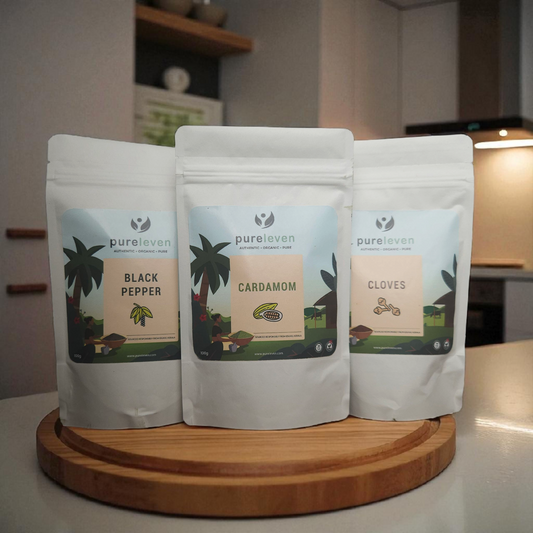
- Whole spices: 1 piece cinnamon (4 cm), 4 cloves, 4 cardamom pods, 1 bay leaf
- 1 teaspoon black peppercorns, lightly crushed, or ¾ teaspoon white pepper powder
- 2 medium onions, sliced
- 1 tablespoon ginger, julienned
- 4 to 5 green chillies, slit
- 2 sprigs curry leaves
- 2 potatoes and 1 carrot, cubed
- 1 cup thin coconut milk (second extract)
- 1 cup thick coconut milk (first extract)
- Salt
- A few cashews and shallots fried in ghee, optional, for garnish
Method
- Cook the mutton. Pressure-cook it with salt, half the pepper and a little water until tender. Keep the stock.
- Whole spices. Heat coconut oil. Add cinnamon, cloves, cardamom and bay leaf, and let them sizzle for 20 to 30 seconds.
- Onions, ginger, chillies. Add and cook until the onions turn soft and translucent, not brown. Stew stays pale.
- Vegetables. Add potatoes, carrot and curry leaves, then the thin coconut milk and a little mutton stock. Simmer until the vegetables are done.
- Mutton. Add the cooked mutton and simmer 5 minutes.
- Thick coconut milk. Lower the heat, add the thick coconut milk and remaining pepper, and warm through gently. Don't let it boil, or the coconut milk can split.
- Finish with curry leaves and, if using, the fried cashews and shallots.
Black pepper or white?
Both work. White pepper keeps the stew properly pale, with a slightly earthier, sharper heat. Crushed black pepper adds aroma along with small dark flecks. Plenty of cooks use both. For the classic wedding-hall look, go with white.
Why whole spices matter more here
There's no chilli powder, garam masala or tomato to hide behind, so the cardamom, cloves and cinnamon come through directly. Tired spices give you a flat stew. Fresh ones give you the smell that makes people ask what's cooking.
Serve with appam, or idiyappam and bread work well too. Try it with our white pepper and the whole spices in the Kerala spice combo. For more on the two peppers, see our white pepper guide.
Making it ahead
Stew actually tastes better the next day, once the spices have had time to settle into the coconut milk. Cook it up to the point before adding the thick coconut milk, refrigerate, and finish with the thick milk and remaining pepper only when you're about to serve. Reheat gently. A hard boil is what splits the coconut milk, whether that happens the first time or the second.
Frequently asked questions
Can I make this stew with chicken instead of mutton?
Yes, and it's actually the more common version in many Kerala homes. Cut the initial cooking time, chicken needs far less than mutton, and add it slightly later so it doesn't overcook.
Why did my coconut milk curdle?
Almost always heat. Thick, first-extract coconut milk should go in on low heat and never reach a full boil. If it's already split, a quick whisk off the heat can bring it back together, though the texture won't be quite as smooth.
Ready to buy?
Related products for this article
Move from reading intent to shopping intent with product cards tied to this topic and a direct route into the wider catalog.
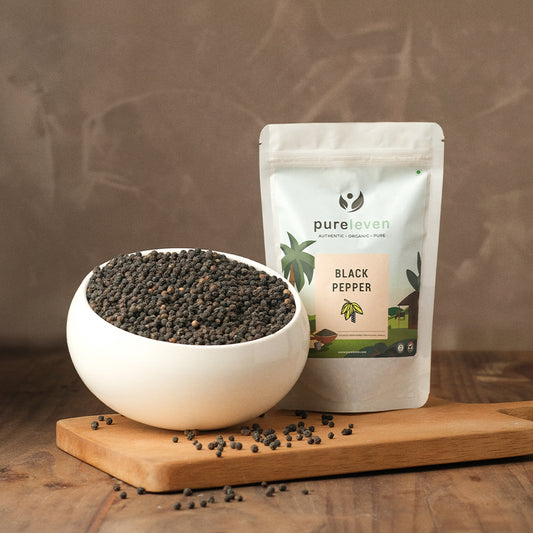 Primary pickKerala Black Pepper (Kali Mirch) – Bold Whole Peppercorns from IdukkiWhole Kerala peppercorns with high aroma and a straightforward upgrade from generic supermarket stock.Rs. 100.00
Also considerKerala Black Pepper (Kali Mirch) – Bold Whole Peppercorns from IdukkiRs. 100.00
 Kitchen add-onKerala White Pepper Whole PeppercornsRs. 184.50Rs. 150.00