



Pureleven journal
Cooking & Spices
From Kerala soil to your kitchen.
Everyday kitchen guide
Does Honey Expire? Shelf Life and Storage
This article now carries a direct path into Pureleven kitchen best sellers so reading intent can convert without friction.
Quick Summary
Honey can last a very long time if stored well. Why that is, what the date on the jar means, the signs of spoiled honey, and the one thing that ruins it: water.
Jump through the guide
Go straight to the sections that answer the buying, comparison, or sourcing question you came for.
Honey that's sealed and kept dry can last for years, often well past the best-before date on the jar. It may darken or crystallise, but that's a change in quality, not spoilage. Honey only really goes bad when it takes in water, which lets yeasts start fermenting it.
Why does honey last so long?
- Very little water. Good honey is mostly sugar. The international Codex standard allows no more than 20% moisture for most honey. At that level, most microbes can't grow.
- Naturally acidic. Honey's low pH makes life harder for bacteria.
- Small amounts of natural compounds that further discourage microbial growth.
Take away the first point, by letting water in, and the others aren't enough on their own.
What does the date on the jar mean?
Packaged honey carries a best-before date. For honey, that date is about quality: taste, aroma, colour and texture. After it, honey that's been stored well is usually still fine to eat, though the flavour may be milder and the colour darker.
What changes over time (and is normal)
| Change | What it means | What to do |
|---|---|---|
| Crystallising or setting solid | Natural sugars forming crystals | Stand the jar in warm water until runny |
| Darker colour | Slow ageing, faster in warm rooms | Nothing; it's still honey |
| Milder flavour | Delicate aromas fade with time | Use it in cooking or tea |
Crystallisation is the one people worry about most. Our post on why honey crystallises explains why it isn't a sign of fake honey.
Signs honey has actually spoiled
- A sour, alcoholic or yeasty smell
- Bubbles or foam that keep forming, like a fermenting batter
- A thin watery layer on top
- Mould on the surface
These almost always mean moisture got in. Throw that honey out.
How water gets into honey
- A wet spoon. The most common cause. Use a clean, dry spoon every time.
- A loose lid in humid weather. Honey pulls moisture from the air, and Kerala's monsoon air is very damp.
- Thinning it with water and then storing the diluted honey.
- Condensation, from moving a jar between a cold fridge and a warm kitchen.
How to store honey
- Keep it in a tightly closed glass jar.
- Store at room temperature, away from the stove and direct sunlight.
- Skip the fridge. Cool temperatures make honey crystallise faster, and it doesn't need chilling.
- For ants, stand the jar in a shallow bowl of water, an old household trick that still works.
Common mistakes
- Microwaving to melt crystals. It overheats spots and can scorch the flavour. Warm water is gentler.
- Keeping honey in the tea tin area by the stove. Constant heat darkens it faster.
- Throwing away set honey. Crystallised honey is fine to eat and spreads well on toast.
One safety point that has nothing to do with age: don't give honey of any kind to babies under 12 months, because of the risk of infant botulism.
If you like honey in your tea, our post on honey in hot tea covers when to add it.
Our Naadan honey comes from beekeepers around Adimali in Idukki. Store it the way above and it'll keep well.
Sources
Ready to buy?
Related products for this article
Move from reading intent to shopping intent with product cards tied to this topic and a direct route into the wider catalog.
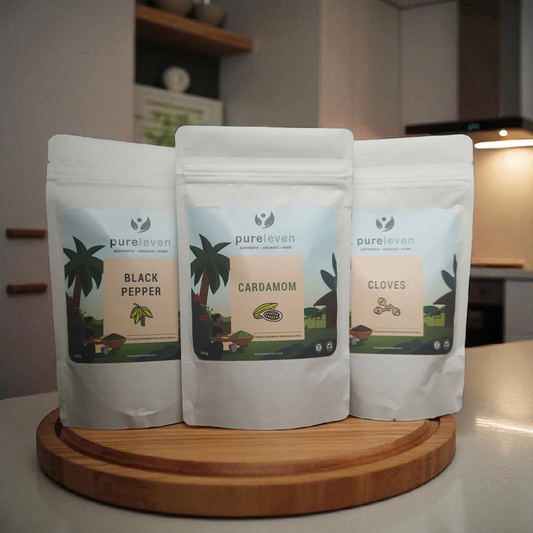 Primary pick3-in-1 Kerala Spice ComboPair this guide with Pureleven best sellers for everyday kitchen buying, gifting, and repeat kitchen use.Rs. 909.00Rs. 559.00
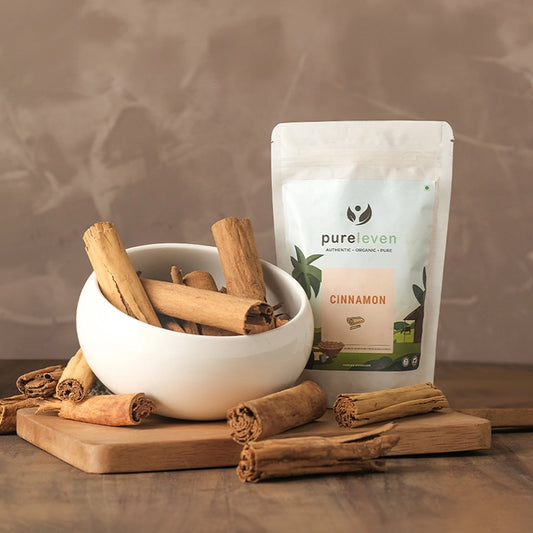 Also considerTrue Ceylon Cinnamon (Dalchini) – Whole Quills from Sri LankaRs. 250.00Rs. 190.00
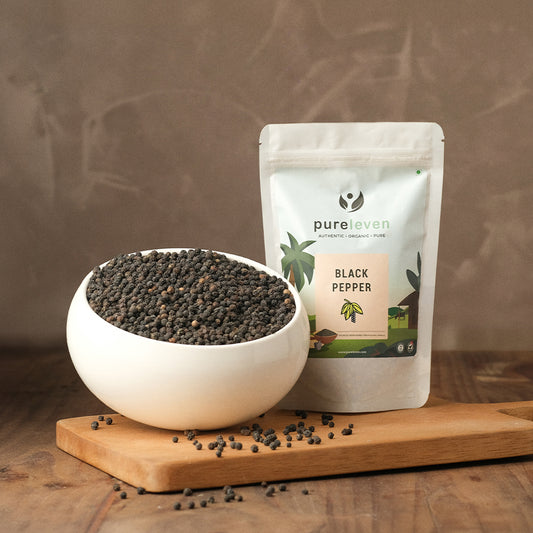 Kitchen add-onKerala Black Pepper (Kali Mirch) – Bold Whole Peppercorns from IdukkiRs. 100.00


