



Pure Leven Spices & Tea journal
Cooking & Spices
From Kerala soil to your kitchen.
Cinnamon buying guide
Using Ceylon Cinnamon in Indian Cooking
Compare daily-use cinnamon options and move directly into a product shortlist without leaving the article cold.
Quick Summary
How much Ceylon cinnamon to use in place of cassia, when to add it, and which dishes suit it, from ghee rice and payasam to chai and light curries.
On this page
Yes, Ceylon cinnamon works in Indian cooking, best where cinnamon should stay in the background: pulao, kheer, payasam, light curries, chai and sweets. Use about one and a half times the amount of cassia a recipe asks for, and add it a little later than you would cassia. Strong meat masalas and dark garam masala usually want cassia's heat, so many cooks keep both.
Most recipes that say "dalchini" were written with cassia in mind. Ceylon needs a small change in how you handle it.
What's different in the pan
Cassia is hard, thick bark with a hot, slightly bitter, bold flavour. It can sit in hot oil for a long time and still come through a heavy gravy. Ceylon is thin, papery and soft. It smells sweet and a little citrusy, and it gives up its flavour faster. Our Ceylon vs cassia cinnamon post covers the botany. Here we'll stay in the kitchen.
Which dishes suit it
| Dish | Ceylon works? | How to use it |
|---|---|---|
| Ghee rice, pulao, jeera rice | Very well | A 3 to 4 cm piece in the ghee with cardamom and clove |
| Kheer, payasam, sheer khurma | Very well | Simmer a small piece in the milk, remove before serving |
| Masala chai | Well | Break the stick and boil it a minute longer than cassia |
| Vegetable kurma, stew (ishtu) | Well | Add with the whole spices, a little more than usual |
| Chicken or mutton curry | Good, but milder | Use extra, or mix Ceylon and cassia |
| Biryani | Good | In the rice layer, where the sweetness shows |
| Homemade garam masala | Changes the blend | Gives a softer, sweeter mix |
How much to use instead of cassia
Start with one and a half times the length or weight. If a recipe says one 2 inch stick of dalchini, use a 3 inch piece of Ceylon, or two smaller broken pieces. Taste at the end and note what you'd change.
For ground spice the rule is the same. One teaspoon of cassia powder becomes roughly 1¼ to 1½ teaspoons of ground Ceylon. Grinding fresh matters a lot, and Ceylon cinnamon sticks vs powder shows how.
When to add it to the tadka
This is where most people slip. Cassia can go into very hot oil first and survive. Ceylon is thinner and scorches fast, turning bitter.
- Heat the oil or ghee on medium, not smoking.
- Add harder spices first, such as clove and bay leaf.
- Add the Ceylon with the cardamom and let it sizzle for 20 to 30 seconds.
- Put the onions in straight away. They cool the pan and protect the spices.
- For milk dishes, skip the tadka and simmer the stick gently in the milk.
In long dishes like mutton curry, some cooks add a second small piece near the end for fresh aroma on top of the base.
In a Kerala kitchen
Kerala uses cinnamon mostly in dishes shaped by the coast's trading history: ghee rice, biryani, chicken and mutton curries, and the coconut milk stew served with appam. Most home kitchens here use cassia, often called karuvapatta, because that's what the local shop sells.
Ceylon suits the gentler end of that list. In a vegetable stew with coconut milk it sits quietly with green chilli, curry leaves, cardamom and whole pepper. In ghee rice it gives a sweet smell without the bite cassia leaves behind.
Try ghee rice twice, once with cassia and once with Ceylon, using the same cardamom and clove. You'll taste the difference in one mouthful. Freshly bruised Kerala cardamom pods go with either.
Do you have to switch?
No. Plenty of cooks keep both: cassia for rich meat gravies and dark masalas, Ceylon for rice, sweets, tea and anything with milk. If cinnamon goes into your food every day, many people pick Ceylon for daily dishes because it carries much less coumarin. That's a habit, not a treatment, and anyone with a liver condition should ask a doctor about regular cinnamon.
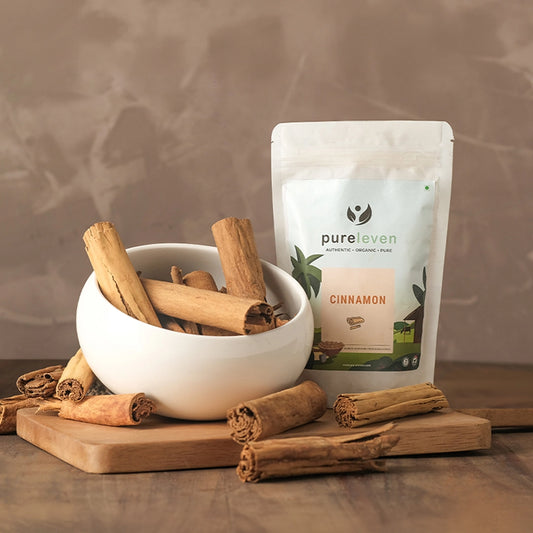
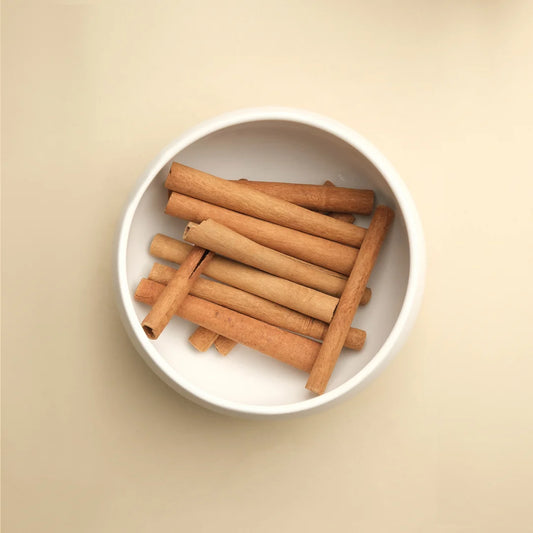
Our cinnamon sticks are packed whole with nothing added, and they break by hand, which makes it easy to portion a pot of rice or payasam. For what to check before buying any Ceylon cinnamon, see the guide to buying Ceylon cinnamon online.
Is dalchini Ceylon or cassia?
In most Indian shops dalchini is cassia, the thick, hard bark. Some sellers use the word for Ceylon too, so look at the stick. Thin, layered, papery quills are Ceylon. A single thick curl is cassia.
Start with one pot of ghee rice this week.
Ready to buy?
Related products for this article
Who is behind this
Basil Thomas
Farmer and founder, Pure Leven Spices & Tea
Basil runs Pure Leven Spices & Tea from Rajakumary in Idukki, where he grew up watching his father farm black pepper, clove, coffee and tea, and later cardamom. He worked as a cyber security architect until Covid brought him home. Customers kept calling back for the farm's produce, so he carried on, and he now runs it with two staff. Farm chores were how he learned farming as a child, so he knows how to source well and set aside the lower grade.
How we write these guides


