



Pureleven journal
Cooking & Spices
From Kerala soil to your kitchen.
Pureleven spice journal
Kerala Spices vs Supermarket Spices: A Simple Side-by-Side Test
Answer-first guidance with a faster path to farm-origin Kerala products you can buy today.
Quick Summary
A 20-minute home test to compare Kerala spices with supermarket packs: what to look, smell and taste for, and when the supermarket is fine.
Jump through the guide
Go straight to the sections that answer the buying, comparison, or sourcing question you came for.
The easiest way to judge Kerala spices vs supermarket spices is to test them side by side at home: same spice, same amount, tested together, looking at colour, smell, oil and taste. Fresh whole cardamom, pepper and cloves from Kerala usually win clearly on smell and oil, while everyday seeds like cumin or mustard often show little difference. The test takes about 20 minutes and costs nothing beyond what's already in your kitchen.
We'd rather you trust your own nose than our word. So this post shows how to run the test fairly, what to look for, and when the supermarket pack is perfectly fine.
Why bother with a side-by-side test?
Because smell memory is short. If you open a new pack of cardamom, it smells like cardamom. You only notice how strong or weak it is when you hold another one next to it.
A side-by-side test also keeps things honest. Spices vary by harvest and by how long they've sat on a shelf. Some supermarket packs are good. Some farm packs are old. The test tells you what you actually have.
What you need
- Two samples of the same spice: one from a supermarket or kirana, one from a Kerala grower or source seller
- Two white plates or sheets of paper
- A mortar and pestle, or a rolling pin and a folded sheet of paper
- Two small cups of hot water (for the tea test)
- A pen, to note what you notice before you forget
Start with the spices where differences show up most: green cardamom (elakka), black pepper (kurumulak) and cloves (grampoo).
How to run the test, step by step
- Label and hide. Put each sample on a plate and ask someone to mark them A and B without telling you which is which. Blind tests are fairer.
- Look first. Under daylight, compare colour, size and how even the pieces are. Note broken bits, dust or stalks.
- Smell whole. Hold each plate close and breathe in. Which one reaches your nose first?
- Crush and smell again. Crush three or four pieces of each. Smell straight away, then again after a minute.
- Check the oil. Press a clove with your fingernail, or rub crushed pepper between two fingers. Fresh spices leave a slight oily feel.
- Taste in water. Drop a crushed pod or a few crushed peppercorns into hot water. Wait two minutes and sip.
- Write it down, then reveal. Note which you preferred and why, before you find out which was which.
What should you look for in each spice?
| Spice | Sign of fresh, well-kept spice | Sign of old or tired stock |
|---|---|---|
| Green cardamom | Green, plump pods. Seeds inside are dark and slightly sticky. Strong sweet smell when crushed. | Pale or yellowish pods, many split open. Seeds brown and dry. Weak smell. |
| Black pepper | Dark, wrinkled, fairly even in size. Sharp, citrusy smell when crushed. Real bite in the water test. | Dusty look, lots of light or hollow corns. Flat, dusty smell. |
| Cloves | Whole heads on most buds. A little oil when pressed. Warm, numbing taste. | Many headless stems. Dry and brittle. Little smell or taste. |
| Cinnamon or cassia | Sweet, warm smell as soon as you snap it. | Smells more of wood than spice. |
For a longer spice-by-spice list, our spice quality checklist goes into more detail.
What does the test usually show?
We can't tell you what your result will be, since it depends on the packs you pick. But there's a general pattern people notice.
The biggest gaps tend to be in aromatic whole spices. Cardamom, pepper and cloves carry volatile oils that fade with time, heat and light. The longer the chain from farm to shelf, the more of that smell is gone before the pack is opened.
The smallest gaps tend to be in everyday seeds and powders that sell fast, like mustard, cumin, coriander and chilli powder. A busy shop refills these often, and they're grown in many states. There's no reason to order these from Kerala.
Is the supermarket spice ever the better one?
Yes, sometimes. A large brand with fast stock turnover can beat a small seller whose packs have been sitting for months. Origin alone doesn't make a spice fresh. That's exactly why the test is worth doing.
Things that can make the test unfair
- Comparing whole with powder. Always compare the same form. Powder loses aroma faster.
- Comparing different grades. Small, pale cardamom and bold green cardamom are different products.
- Testing an old opened jar. Use packs opened recently, or both freshly opened.
- Smelling one straight after the other. Take a breath of fresh air between samples. Noses tire quickly.
Turning the result into a shopping plan
Once you've done the test, you'll know which spices are worth sourcing from Kerala and which your local shop handles well. For most kitchens, that means buying cardamom, pepper and cloves from the source, and everything else nearby.
If you cook Kerala food away from home, our post on the spices you actually need outside Kerala lists the rest of the pantry. And if you're ready to try an order, your first Kerala spice order covers what and how much.
If you want to test ours
Our cardamom, black pepper and cloves come from Idukki farms and are packed whole with nothing added, in resealable pouches. The cardamom is dried in a cardamom dryer, not in the sun. The clove, pepper and cardamom combo has all three test spices in one parcel, and it reaches most of India in 4 to 5 working days. For the full picture on ordering, see our Kerala spices online buying guide.
Try it this weekend with whatever's in your cupboard. Your nose will tell you more than any label.
Ready to buy?
Related products for this article
Move from reading intent to shopping intent with product cards tied to this topic and a direct route into the wider catalog.
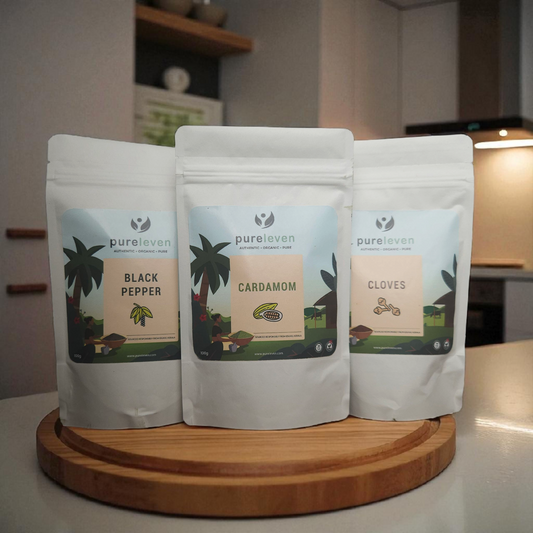 Primary pick3-in-1 Kerala Spice ComboStart with a best-selling Pureleven product picked to match the buying intent behind this article.₹909₹559
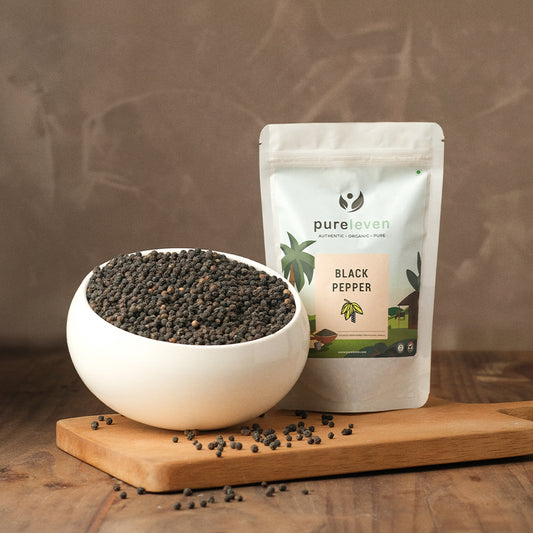 Also considerKerala Black Pepper (Kali Mirch) – Bold Whole Peppercorns from Idukki₹100
 Kitchen add-onExtra Bold Kerala Cardamom (Elaichi) – 8mm Whole Pods from Idukki₹309₹270


