



Pureleven journal
Cooking & Spices
From Kerala soil to your kitchen.
Pureleven spice journal
Kerala Garam Masala: A Home Recipe
Answer-first guidance with a faster path to farm-origin Kerala products you can buy today.
Quick Summary
How Kerala garam masala differs from the North Indian style, a simple home recipe using whole spices, and why a fresh batch beats ready-made Kerala masala.
Jump through the guide
Go straight to the sections that answer the buying, comparison, or sourcing question you came for.
Kerala garam masala is heavier on the sweet, fragrant spices (cardamom, cloves, cinnamon, fennel) and lighter on the earthy ones like cumin and coriander that dominate many North Indian blends. It's the smell of a Kerala chicken curry, a beef roast, or a Sunday biryani. This is a simple version to make at home.
Ingredients
Makes a small jar, enough for 3 to 4 weeks for most families.
- 2 tablespoons fennel seeds (perumjeerakam)
- 15 green cardamom pods
- 1 tablespoon cloves
- 3 pieces cinnamon or cassia, each about 5 cm
- 1 teaspoon black peppercorns
- 2 star anise
- A small piece of mace (optional)
- ¼ nutmeg (optional)
Method
- Warm the spices. Put everything except the nutmeg in a dry, heavy pan on low heat. Stir continuously for 2 to 3 minutes until the fennel darkens slightly and the kitchen smells. Don't let anything smoke.
- Cool completely. Spread them on a plate. Grinding warm spices makes the powder clump and sweat.
- Grind. Grate in the nutmeg and grind everything to a fine powder in a dry mixie jar. Grind in quick pulses so the jar doesn't heat up.
- Sieve (optional). Sieve and re-grind the coarse bits if you want it very fine.
- Store in a small, dry, airtight glass jar away from the stove.
How it differs from store-bought
- More fennel and cardamom. That sweet, rounded smell is typically Kerala.
- No chilli, no turmeric. Those go in separately while cooking.
- Fresher. Store-bought garam masala may have been ground months ago. Yours will smell stronger, so start with a little less than your recipe says.
How to use it
- Add ½ to 1 teaspoon near the end of cooking a curry, not at the start. It's a finishing spice.
- Sprinkle a pinch over a beef or chicken fry in the last minute.
- Use in egg roast, mutton curry and biryani masala.
Adjusting to your taste
Every Kerala home has its own version. Some add more pepper for heat. Some leave out star anise. Some add a few bay leaves. Make it once as above, taste it in a curry, and change one thing next time.
Looking for Kerala masala online?
We get asked this often. Pure Leven sells whole spices, not ready-made masala, so you won't find a garam masala pack in our shop.
That's on purpose. A blend from an online masala store may have been ground weeks or months before it reaches you, and ground spices lose their smell quickly. A small batch ground at home from whole cardamom, cloves, pepper and cinnamon smells far stronger, and you get to decide the balance.
The cardamom, cloves and pepper for this recipe come together in our Kerala spice combo pack, and our cassia cinnamon sticks cover the cinnamon. Our cardamom and cloves are also sold separately. For more on what goes into different garam masalas across India, see our post on spices in garam masala.
Frequently asked questions
Can I buy Kerala masala online?
Yes, plenty of shops sell ready-made Kerala masala online, but a ground blend starts losing its smell as soon as it's made. Pure Leven sells the whole spices instead, so you can grind a small, fresh batch at home with this recipe. It takes about ten minutes.
How long does homemade garam masala stay fresh?
In a dry, airtight glass jar away from the stove, it keeps its best smell for about three to four weeks. It's still usable after that, just weaker. That's why this recipe makes a small jar.
Can I use cassia instead of Ceylon cinnamon?
Yes. Many Kerala kitchens use cassia in garam masala, and its stronger bark suits meat curries and biryani. Cassia has more coumarin than Ceylon cinnamon, so if you eat cinnamon in large amounts every day, Ceylon is the gentler choice.
Make a small jar this week, taste it in a curry, and adjust the next batch to suit your family.
Ready to buy?
Related products for this article
Move from reading intent to shopping intent with product cards tied to this topic and a direct route into the wider catalog.
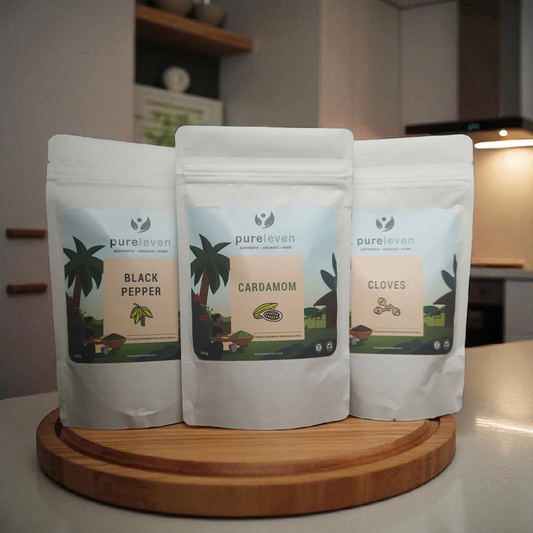 Primary pick3-in-1 Kerala Spice ComboStart with a best-selling Pureleven product picked to match the buying intent behind this article.Rs. 909.00Rs. 559.00
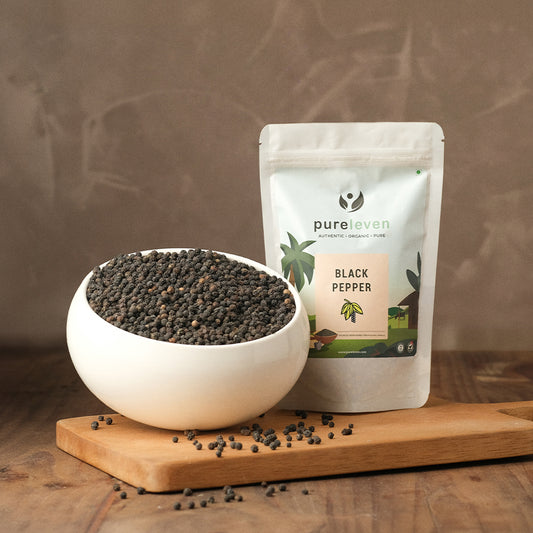 Also considerKerala Black Pepper (Kali Mirch) – Bold Whole Peppercorns from IdukkiRs. 100.00
 Kitchen add-onExtra Bold Kerala Cardamom (Elaichi) – 8mm Whole Pods from IdukkiRs. 309.00Rs. 270.00


