



Pureleven journal
Cooking & Spices
From Kerala soil to your kitchen.
Pureleven spice journal
Kerala Fish Curry Spices: What Goes In and Why
Answer-first guidance with a faster path to farm-origin Kerala products you can buy today.
Quick Summary
The spices used in Kerala fish curry with amounts for 500 g of fish, why whole spices are kept to a minimum, how red curry, moilee and coconut fish curry differ, and common mistakes.
Jump through the guide
Go straight to the sections that answer the buying, comparison, or sourcing question you came for.
Kerala fish curry uses very few whole spices. Its flavour comes from a sour agent (usually kudampuli), chilli, turmeric, a small pinch of fenugreek and, in some curries, black pepper, all cooked in coconut oil with shallots, ginger, garlic and curry leaves. Cardamom, cloves and cinnamon appear only lightly, if at all.
Why does Kerala fish curry use so few whole spices?
Fish has a delicate flavour and cooks in minutes. Strong, sweet spices like cloves and cinnamon need time to mellow, and in a fish curry they tend to sit on top of the fish rather than blend in.
So Kerala cooks lean on things that suit fish: sourness to cut the oiliness, chilli for heat, a little bitterness for depth, and good coconut oil and curry leaves for aroma.
The core spices and what each does
| Ingredient | Role | Typical amount (500 g fish) |
|---|---|---|
| Kudampuli (Malabar tamarind) | Sour, slightly smoky | 2 to 3 pieces, soaked |
| Kashmiri chilli powder | Colour and mild heat | 1½ to 2 tablespoons |
| Hotter chilli powder | Heat | ½ to 1 teaspoon, to taste |
| Turmeric | Colour, earthy note | ¼ teaspoon |
| Fenugreek seeds (uluva) | Bitter depth | ¼ teaspoon, or a pinch of powder |
| Black pepper | Heat with fragrance | ½ to 1 teaspoon, crushed (mainly moilee and fry) |
Kudampuli is the dried, smoke-cured rind of Garcinia gummi-gutta. Rinse it and soak it in a little warm water for 10 minutes before use. Regular tamarind or raw mango is used instead in some regions.
How the spices change across three classic curries
Red meen curry with kudampuli
Fenugreek and shallots are fried in coconut oil, then chilli and turmeric go in on low heat, followed by kudampuli and water. There's usually no garam masala at all. The curry is sharp and fiery, cooked in a clay pot (manchatti) if you have one, and tastes best the next day.
Meen moilee
A mild, pale-yellow curry with coconut milk, turmeric, green chillies, ginger, curry leaves and crushed black pepper. Some cooks add two or three cloves, a small piece of cinnamon and a cardamom pod to the oil at the start, but lightly. Pepper is the main spice note, giving heat without turning the gravy red. White pepper works well here if you want a cleaner colour.
Coconut fish curry (meen mappas or thenga aracha curry)
Somewhere between the two. Coconut milk or ground coconut with coriander, chilli, a little pepper and sometimes a small pinch of garam masala. The coriander gives it more body than the red curry.
Where black pepper matters most
- Fish fry marinades: crushed pepper with chilli, turmeric, salt and a squeeze of lime. Crush it just before marinating for the best smell.
- Moilee: where it provides nearly all the heat.
- Dry fish roasts: a coarse crush over the top at the end.
Crushing pepper fresh makes a noticeable difference in all three. We explain why in freshly ground vs pre-ground pepper.
Mistakes that spoil these curries
- Too much fenugreek. More than about ¼ teaspoon makes the curry bitter. Fry it only until it turns light golden, never dark brown.
- Burning the chilli powder. Lower the heat before adding powders, or mix them into a paste with a little water first.
- Adding garam masala out of habit. In a red kudampuli curry it muddies the clean sour-hot flavour.
- Stirring after the fish goes in. Swirl the pot instead, so the pieces don't break.
- Skipping the rest time. Red fish curry improves a lot after a few hours. Make it in the morning for dinner if you can.
Which curry should you make?
For a bold everyday curry to eat with rice, make the red kudampuli one. For something mild that suits children or appam, make moilee. If you want the peppery side of Kerala cooking in a non-fish dish, our Kerala pepper chicken recipe uses pepper as the main spice.
For moilee and fish fry, use whole Kerala black pepper crushed just before cooking, or whole white pepper when you want heat without dark specks.
Sources
Ready to buy?
Related products for this article
Move from reading intent to shopping intent with product cards tied to this topic and a direct route into the wider catalog.
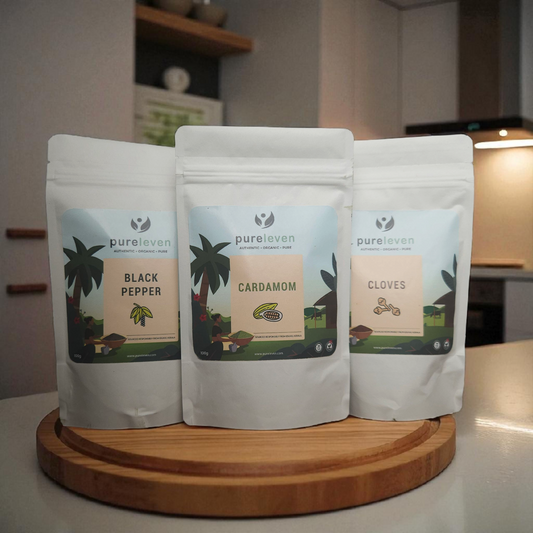 Primary pick3-in-1 Kerala Spice ComboStart with a best-selling Pureleven product picked to match the buying intent behind this article.Rs. 909.00Rs. 559.00
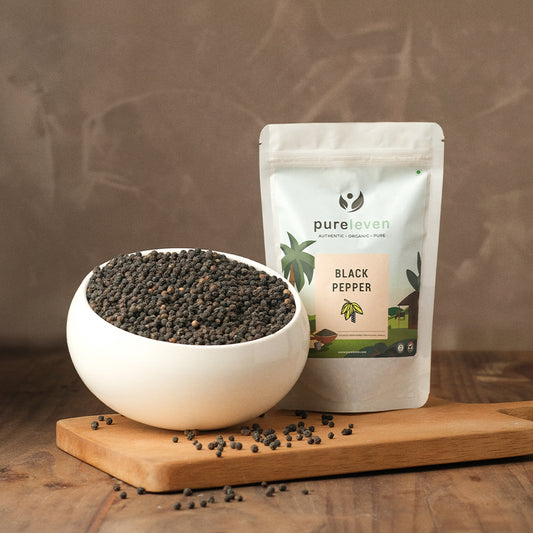 Also considerKerala Black Pepper (Kali Mirch) – Bold Whole Peppercorns from IdukkiRs. 100.00
 Kitchen add-onExtra Bold Kerala Cardamom (Elaichi) – 8mm Whole Pods from IdukkiRs. 309.00Rs. 270.00


