
Pureleven journal
herbs
From Kerala soil to your kitchen.
Kitchen aroma guide
From Garden to Plate: A Culinary Journey with Aromatic Herbs
Use this read as the top of the funnel, then move into aromatic staples that fit herb-led cooking and seasoning.
Quick Summary
Aromatic herbs bring freshness, balance, and character to everyday cooking. Learning how common herbs such as rosemary, thyme, mint, oregano, parsley, and sage behave in the kitchen helps home cooks season more confidently and get more value from fresh or dried herbs.
Jump through the guide
Go straight to the sections that answer the buying, comparison, or sourcing question you came for.
Aromatic herbs do more than decorate a plate. They shape flavor, add freshness, and help simple meals feel more layered without relying only on heat or salt.
Understanding how different herbs behave in the kitchen makes it easier to pair them well, store them better, and use them more intentionally in everyday cooking.
The Garden: Cultivating Aromatic Herbs
The cultivation of aromatic herbs is a simpler yet rewarding process. For this process, choose a place that gets proper sunlight. For planting the popular herbs such as mint, basil the soil should be well drained. Regular watering and pruning is also required for this process. These fragrant plants display a lovely perfume and fill the space with all the senses. Join us on the journey through the garden, from sowing seeds to gathering produce for your kitchen, and learn how you can turn your outdoor area into a beautiful hub of herbs.
Getting to Know Aromatic Herbs
Let’s know about some aromatic herbs in our kitchen garden. These herbs can provide a distinctive flavour for the meals with a number of health benefits. They add freshness to salads and pasta and transform roasted dishes into culinary masterpieces, and add earthiness to soups and grilled items. These herbs are nature’s own flavour enhancers, making meals exciting and delicious.
Rosemary
Rosemary is a herb that enhances food’s flavour and has several health advantages. It is high in vitamins, especially vitamin K, which is good for strong bones. Antioxidants found in parsley also help combat toxic chemicals. It gives off a minty kick and works as a natural breath refresher as well.
Because of its low calorie content, it can be a healthy addition to meals. Hence, adding this herb to your food not only enhances its flavour but also serves as a nutritious garnish.
Thyme
Thyme is an exotic plant that gives foods like soups and grilled foods a nutritious, earthy flavour. It is a culinary magician that can turn everyday meals into something extraordinary with its aromatic perfume and small leaves. Thyme is the secret ingredient that can make a big difference in making food taste wonderful. It’s like a cozy blanket in the kitchen Transforming ordinary meals into something special.
Mint
Mint is a cool mint that gives delicious twists to both spicy and sweet dishes. It’s a typical addition to drinks and salads. Mint is a pleasant, invigorating smell that enhances culinary adventures and lends a bit of brightness. It also works as a natural headache reliever and breath refresher. Hence, in addition to savouring a delightful flavour when you sip on a minty treat or cup of tea, you’re also providing your body with a boost.
Oregano
Oregano can invent a zesty kick for the spicy and sweet dishes. It contains the ability to be digested, antioxidants, anti-inflammatory properties, and vitamins A, C, and K. Its strong flavour, which goes well with grilled meats, pasta sauces, and pizzas, adds excitement. So, next time you want to spice up your kitchen add oregano to your diet.
Parsley
Green parsley is a herb that enhances food’s flavour and has several health advantages. It is high in vitamins, which is good for strong bones. The nutrients found in parsley also help combat toxic chemicals. It gives off a minty kick and works as a natural breath refresher as well. Because of its low calorie content, it can be a healthy addition to meals.
Sages
Sage is an aromatic herb and natural brain booster. This herb not only enhances food taste but also offers health benefits. It contains nutrients that fight off harmful substances and maintain cell health. Sage supports good digestion and may even boost memory power. When sprinkled on roasted chicken or other dishes, sage not only adds flavour but also provides the body with a dose of goodness, making it a tasty and healthy sidekick in the kitchen.
Harvesting and Preservation Techniques
Harvesting aromatic herbs is like picking treasure from your garden, and the right way keeps them flavorful. Gather them in the morning when the oils are strongest, using clean scissors or shears to snip leaves or stems. Avoid taking more than one-third of the plant at a time. Harvest before flowers bloom for the best flavour. Wash and pat dry herbs before using them in dishes. These simple steps
ensure your herbs are happy, flavorful, and ready to transform your meals into culinary masterpieces.
After the harvesting process, proper preservation can store the herb for a long time. There are some preservation techniques including drying and freezing etc are the best methods for harvesting and preservation of herbs.
Harvest before flowers bloom for the best flavour. Wash and pat dry herbs before using them in dishes. These simple steps keep herbs happy, flavorful, and ready for culinary masterpieces. Herbs need to be stored to keep their flavour and durability. After harvesting or purchasing fresh herbs, give them a gentle wash and drying. While stronger herbs should be kept in a cool and dry place. Leafy herbs should be kept in the refrigerator. Dried herbs should be stored out of direct sunlight in sealed containers. This ensures that the herbs have a comfortable place to live and are prepared to bring flavour to food.
Health Benefits
The aromatic herbs in the garden possess so many health benefits. The incorporation of these herbs can indirectly uplift our health. By adding these herbs to your meals, you’re not only making them tasty but also bringing numerous health benefits to your plate.
- Aromatic herbs are really health-boosters. They are providing flavour and goodness to meals. More than just adding flavour and nutrients these herbs can provide
- Parsley is packed with nutrients and vitamins. It aids digestion and makes the intestine satisfied.
- Thyme is a well known herb for respiratory health. It has the rich components that support the health of your lungs and respiratory system as a whole.
- Basil is a food powerhouse that supports the immune system and general health, because it contains vitamins A and K.
- Oregano is one of the aromatic herbs that contains so many nutritional It oregano could aid in warding off pathogenic microorganisms and strengthening your defences.
Exploring Culinary Uses
When exploring the culinary uses of the aromatic herbs, that are numerous in numbers. The incorporation of these herbs can bring a different flavour and aroma to your meals. The integration of these herbs can automatically invent a balanced health for you. As the key ingredient in cooking, it can enhance the flavour of dishes. In Asian dishes like different curries, the lemongrass cilantro can add zest, while parsley and mint create refreshing salads in Middle Eastern cuisine. Herbs are like secret ingredients that communicate taste and transform ordinary dishes into extraordinary culinary experiences worldwide.
Conclusion
Aromatic herbs reward simple, thoughtful use. When home cooks understand each herb's flavor profile and best pairing style, meals become more balanced and more expressive without extra complexity.
The goal is not to use every herb at once, but to choose the right herb for the right dish and let freshness do more of the work.
Related reading
If you want to keep exploring this topic, these follow-up reads add more context without repeating the same angle.
- Read a deeper rosemary-focused guide if you want one herb broken down in more detail
- Compare herb-led cooking with a spice-led daily wellness approach
Frequently asked questions about aromatic herbs
Which aromatic herbs are easiest to use in everyday cooking?
Rosemary, thyme, mint, oregano, parsley, and sage are among the most practical options because they fit a wide range of savory dishes and simple home meals.
Do dried herbs work as well as fresh herbs?
They serve different purposes. Fresh herbs give brighter aroma, while dried herbs are more concentrated and often work better in longer-cooked dishes.
How can I keep herbs flavorful for longer?
Use clean storage, avoid excess moisture, and match the storage method to the herb type. Good handling helps preserve both aroma and kitchen usefulness.
Ready to buy?
Related products for this article
Move from reading intent to shopping intent with product cards tied to this topic and a direct route into the wider catalog.
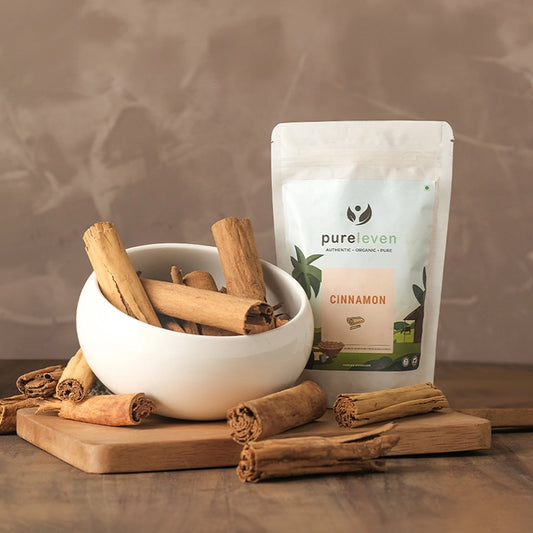
Primary pickAromatic True Cinnamon Ceylon Whole Sticks | Premium Refined SpiceAromatic pantry staples that complement herb-led cooking, infusions, and flavor layering.Rs. 240.00Rs. 180.00
Shop this pantry pick
→
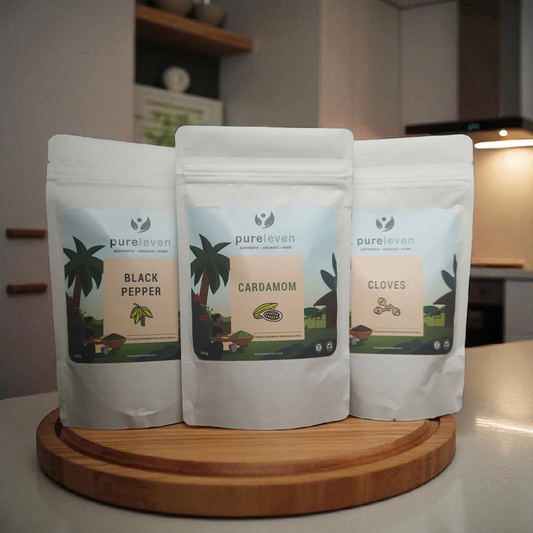
Kitchen add-on3-in-1 Kerala Spice Combo Pack | Cardamom, Black Pepper, Clove | Indian CookingRs. 899.00Rs. 549.00
View product
→
Suggested reads
Keep exploring this topic
Move from this guide into adjacent reads from the same journal, then jump back into the catalog when you are ready to buy.
Journey To Wellness: The Key Benefits Of Rosema...
Rosemary is valued for its aroma, kitchen versatility, and traditional wellness uses. It is commonly used in roasted foods, savory infusions, and herbal routines, while its antioxidant-rich profile keeps it...
Journey To Wellness: The Key Benefits Of Rosema...
Rosemary is valued for its aroma, kitchen versatility, and traditional wellness uses. It is commonly used in roasted foods, savory infusions, and herbal routines, while its antioxidant-rich profile keeps it...
Share
Shop the article product
Aromatic True Cinnamon Ceylon Whole Sticks | Premium Refined Spice