Pureleven journal
Cooking & Spices
From Kerala soil to your kitchen.
Kerala clove guide
Cloves Around the Home: Pomanders, Sachets and More
Use the article as your buying bridge from clove education to stronger aroma and better pack selection.
Quick Summary
Simple, traditional ways to use whole cloves around the home: pomanders, wardrobe sachets, simmer pots and potpourri, with a note on clove oil safety.
Jump through the guide
Go straight to the sections that answer the buying, comparison, or sourcing question you came for.
Around the home, cloves are traditionally used in pomanders (oranges studded with cloves), small cloth sachets for wardrobes and drawers, simmer pots that scent a room, and jars of whole cloves kept near stored clothes. They work through smell, which lasts for weeks in whole buds. These are gentle, old-fashioned habits. They aren't cleaning or pest-control treatments.
A pack that's past its best for cooking is a good one to use up this way.
How do you make a clove pomander?
A pomander is a citrus fruit studded with cloves and left to dry. It's an old European custom, and an easy December project with children, with an adult handling the skewer.
- Pick a firm fruit. An orange, mosambi or small lemon with thick, unblemished skin.
- Make holes first. Poke the peel with a toothpick or skewer. It saves your fingers and stops cloves snapping.
- Push in the cloves. Stem first, heads out. Lines or spirals look nice, but close spacing dries best.
- Rub on a little ground cinnamon if you like. It adds smell and helps drying.
- Let it dry for a few weeks in a cool, dry, airy spot, turning it now and then. The fruit shrinks and hardens.
- Hang it or set it in a bowl.
In a Kerala monsoon a pomander can go mouldy before it dries. Make it in the drier months, or keep it in an airy room with a fan.
What else can you do with cloves at home?
| Use | How | What to expect |
|---|---|---|
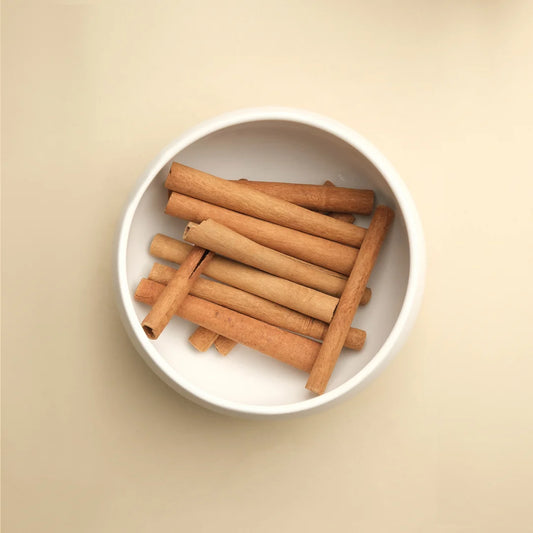
| Wardrobe sachet | A spoonful of whole cloves in a small cotton pouch, with a cinnamon stick | A pleasant smell in clothes. Traditionally used against moths |
| Simmer pot | A few cloves, orange peel and a cinnamon stick simmered in water | A warm, spicy smell for an hour or so |
| Drawer or cupboard jar | A small open jar of whole cloves | A gentle scent that masks mustiness |
| Potpourri | Cloves mixed with dried flowers, peel and cinnamon | A slow, mild scent in a bowl |
| Grain tins | A few cloves among stored grain | A traditional habit in some homes. Clean, sealed containers matter more |
Do cloves keep insects away?
Cloves have traditionally been kept in wardrobes and grain stores to put insects off, and their smell comes from eugenol, which you can read about in our post on eugenol and the clove smell. Treat that as folk practice, though. A sachet is a pleasant extra, not a pest control product.
If you already have moths, weevils or ants, clean the space and find the source. Clean, dry, sealed storage and regular airing do far more than any spice.
What about clove oil?
Many home tips online use clove essential oil. Be careful with them. It's very concentrated and can irritate skin, eyes and the mouth.
- Don't put it on skin undiluted.
- Keep it away from children and pets.
- Don't use it for a health problem without asking a doctor.
Whole cloves in a sachet or simmer pot are a much gentler way to enjoy the smell. We sell whole cloves only, no oil.
Small tips
- Refresh sachets by squeezing the pouch to crack a few cloves. Replace the cloves every few months.
- Keep your best cloves for the kitchen and use older ones for sachets and simmer pots.
- Keep everything dry. Pomanders and potpourri both do better in dry air.
- Don't leave a simmer pot alone. Top up the water, and switch off the stove when you leave the kitchen. Keep hot pots away from children.
To keep your cooking cloves fresh, see how to store spices.
How long does a pomander last?
Once fully dried and hard, it can keep its smell for many months. A little ground cinnamon or clove rubbed on will refresh it.
About our cloves
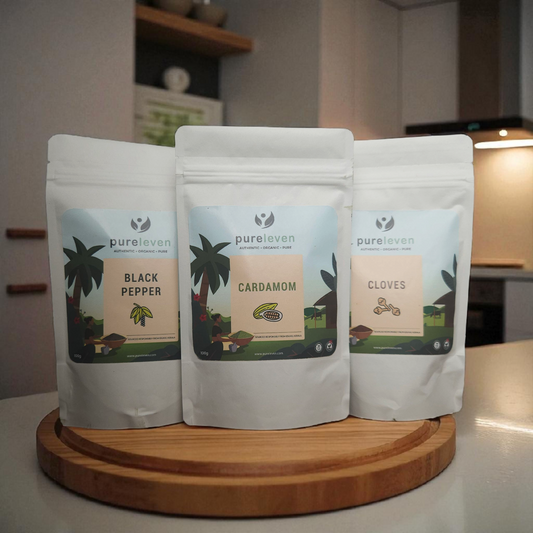
Our cloves come from farms around Adimali in Idukki, packed whole with nothing added. The whole Adimali cloves you'd use in biryani also work in a pomander or sachet. The Kerala cloves buyer's guide covers choosing a pack.
Stud one orange this December and hang it in the kitchen.

Ready to buy?
Related products for this article
Move from reading intent to shopping intent with product cards tied to this topic and a direct route into the wider catalog.